Sometimes, it’s nice to go someplace a bit off the beaten path. Someplace my 20-year-old self in Ohio would not have listed on her “Places to see before I die” list. In October, we spent five nights in the former Soviet republic of Georgia. While Tbilisi, Georgia isn’t exactly off-the-grid—it has plenty of tourist attractions—it’s also not the most common of destinations for Americans planning a trip abroad.
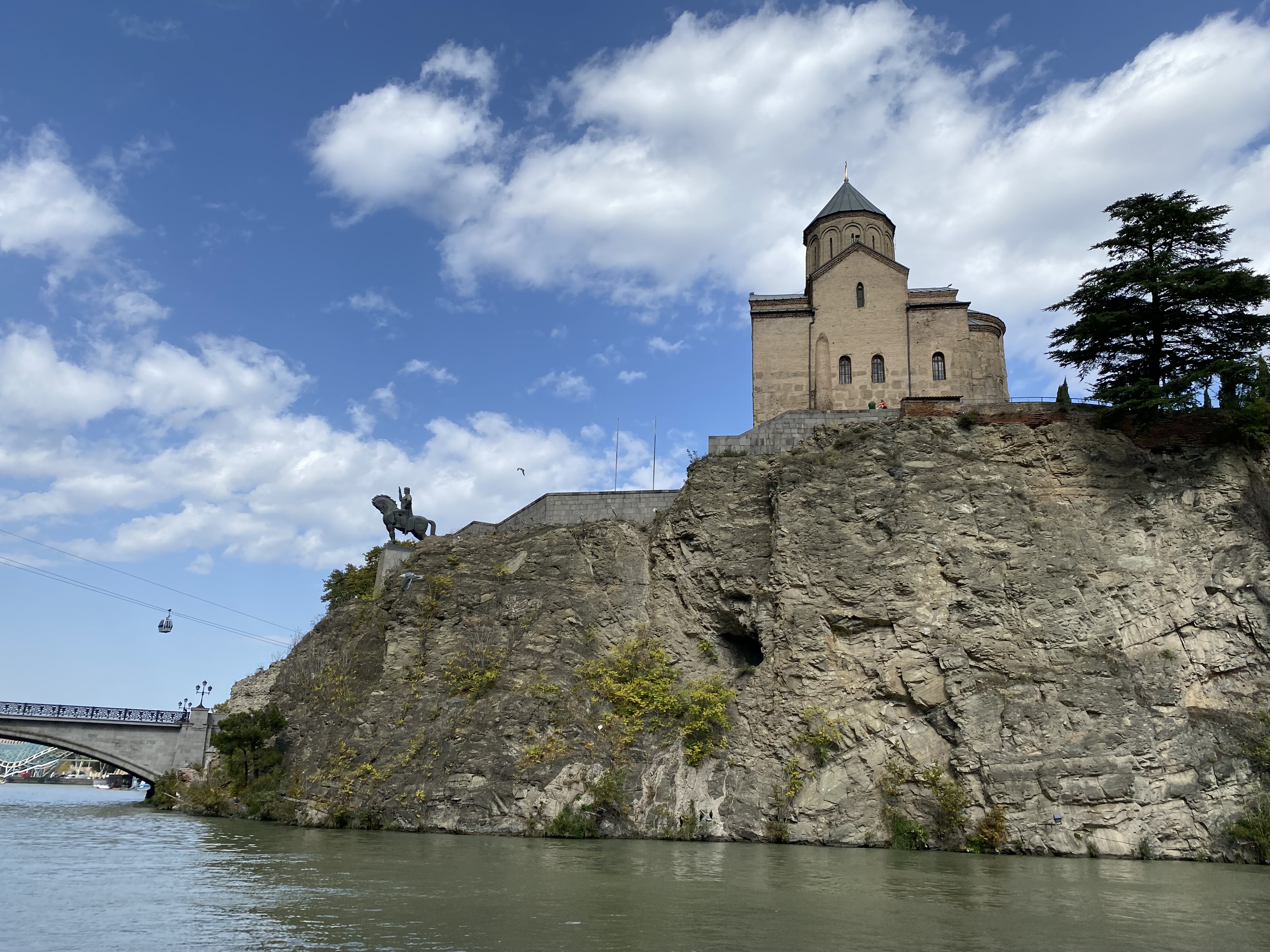
In October, we had a last-minute change of plans and needed/wanted to sort out a five-night trip for Liam’s fall break quickly. Tbilisi fit the bill: Inexpensive direct flight under five hours; nice hotel not already booked up; guided tours – both in the city and of the surrounding mountains – still available. Check, check and check.
And oh man, I’m so glad it all checked out. Tbilisi is beautiful. Quirky. A little gritty. Charming. Delicious. (I haven’t even started to tell you about the cheese boats!) Heart breaking. Artsy. And friendly. (Including the mellow street dogs napping all around.) We were there for basically five days but 15 or 30 days, would be fine, too. It’s a place with many, many layers. I won’t pretend here that we did more than just scratch the surface.
I’ve started and stopped writing this blog multiple times over the past few weeks. Quite frankly, I’ve been a bit overwhelmed by what to share about our trip and, life being busy (darned full-time job!) I can’t commit to writing multiple posts.
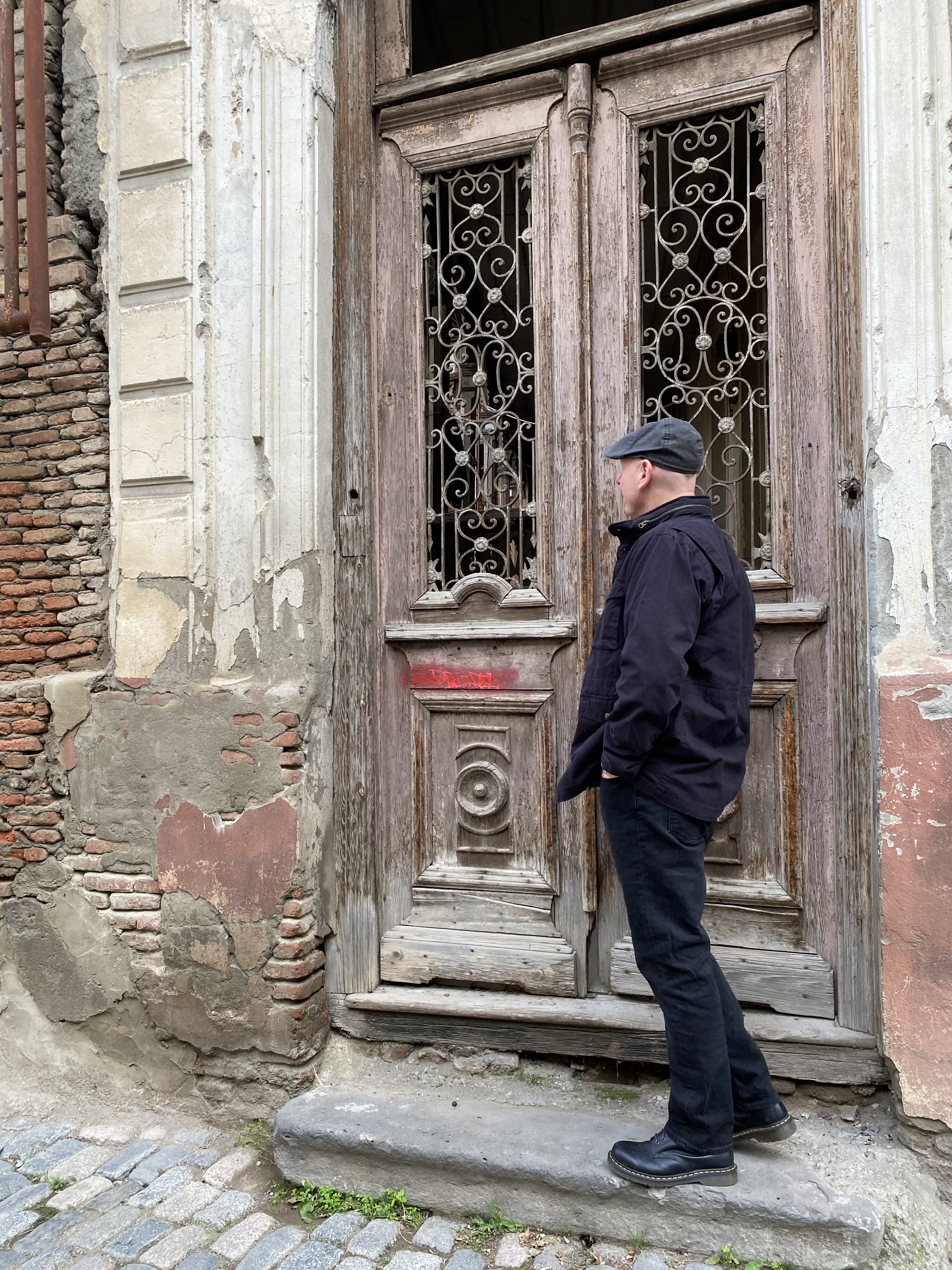
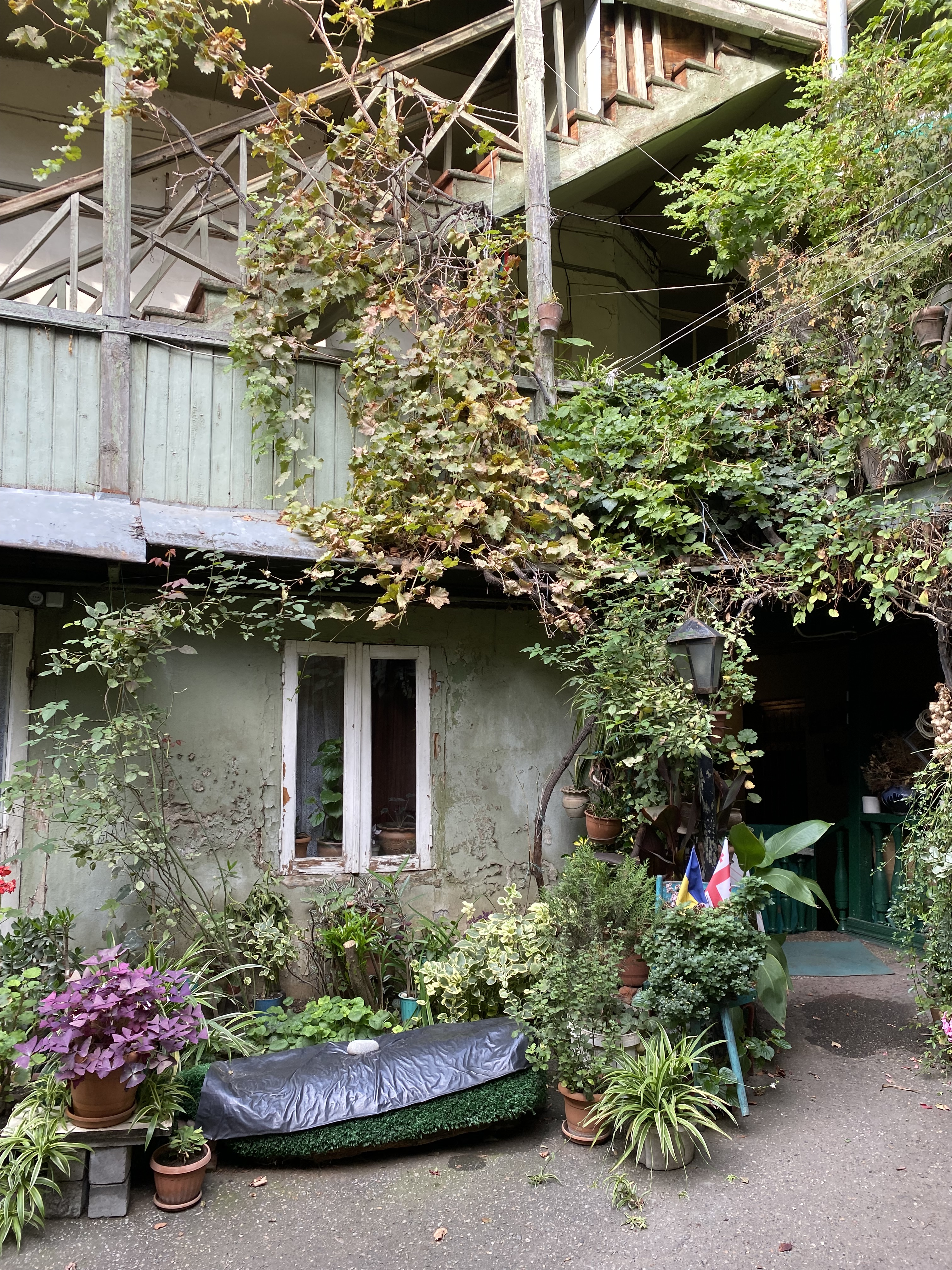
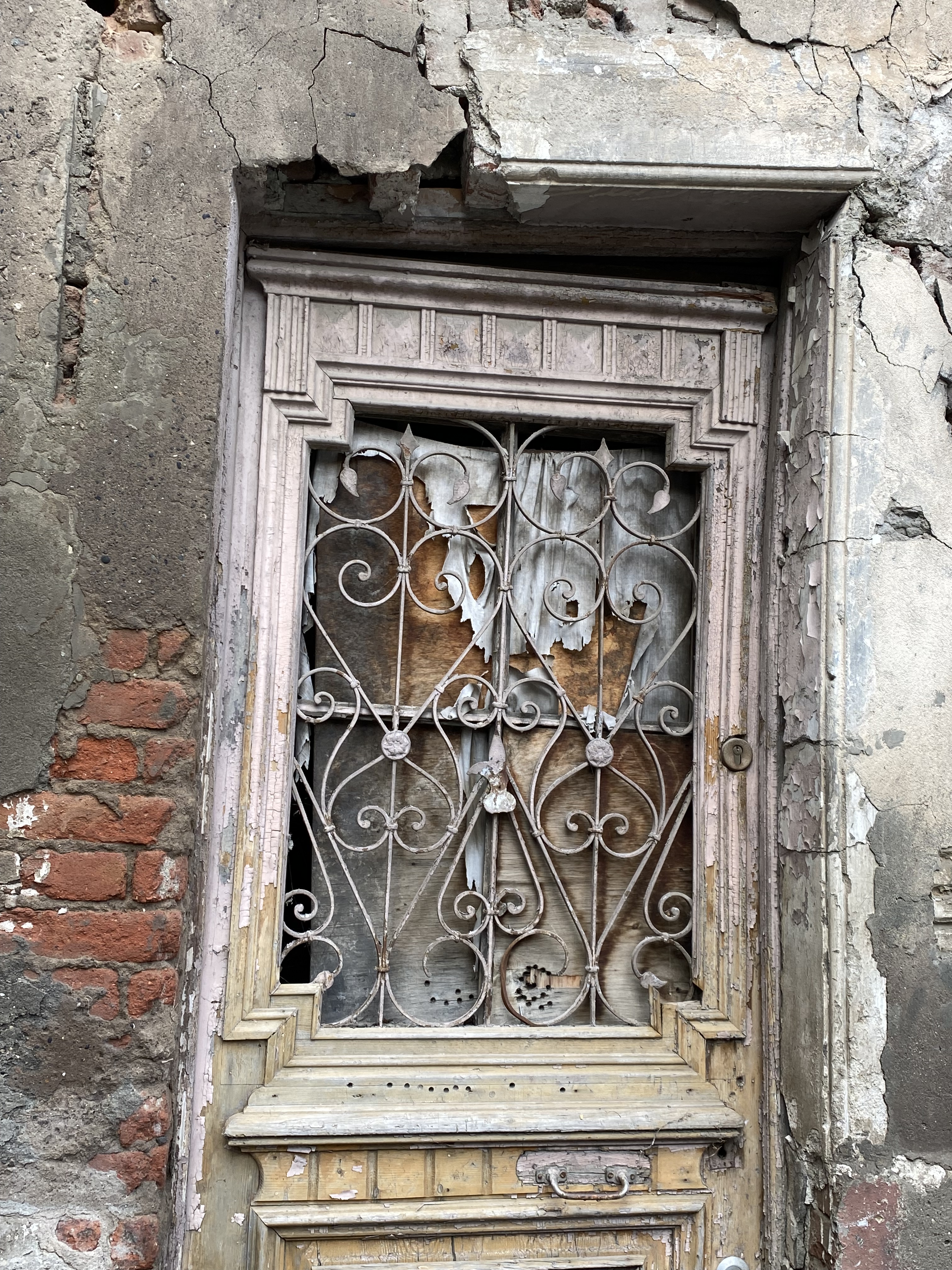
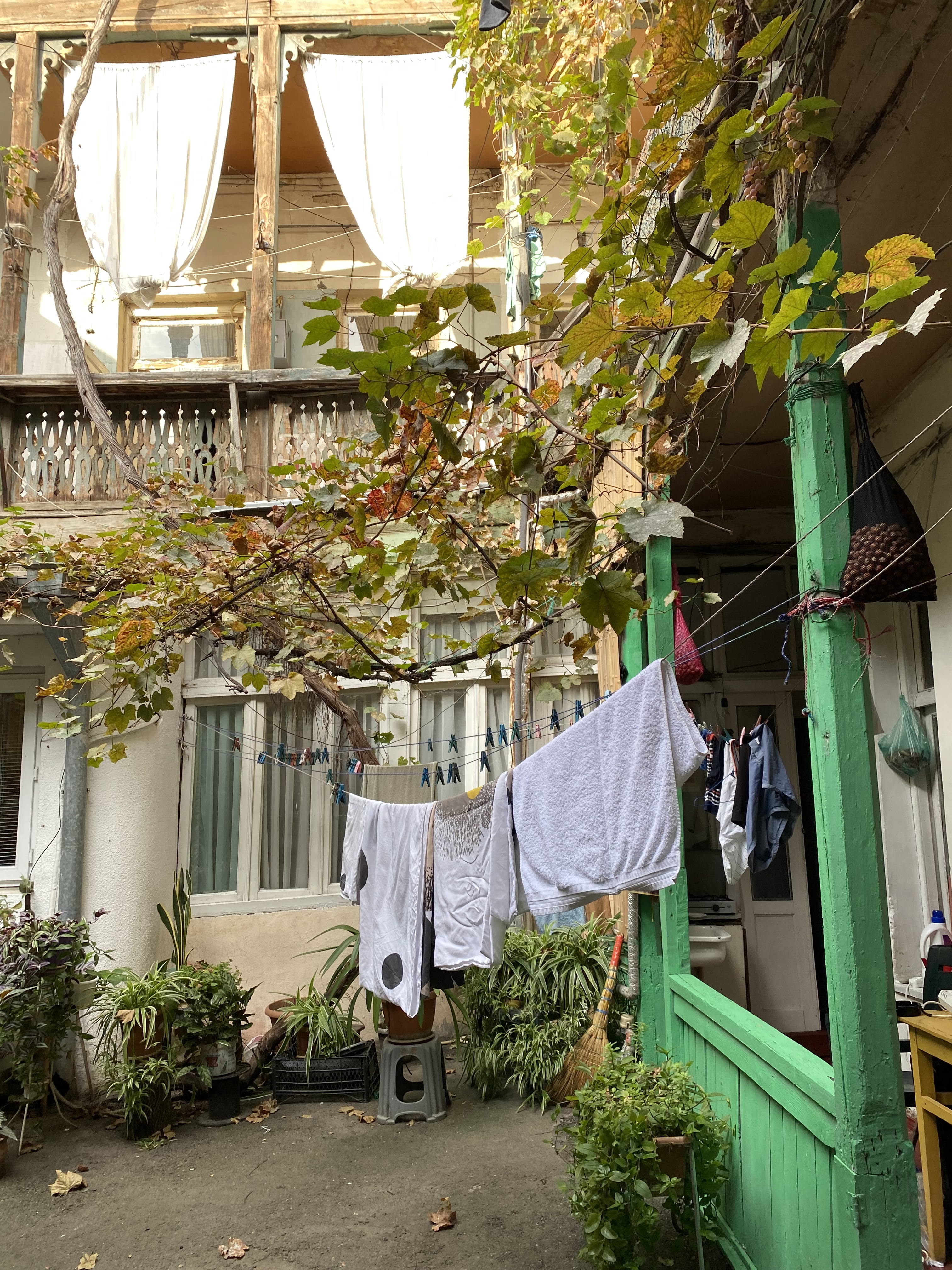
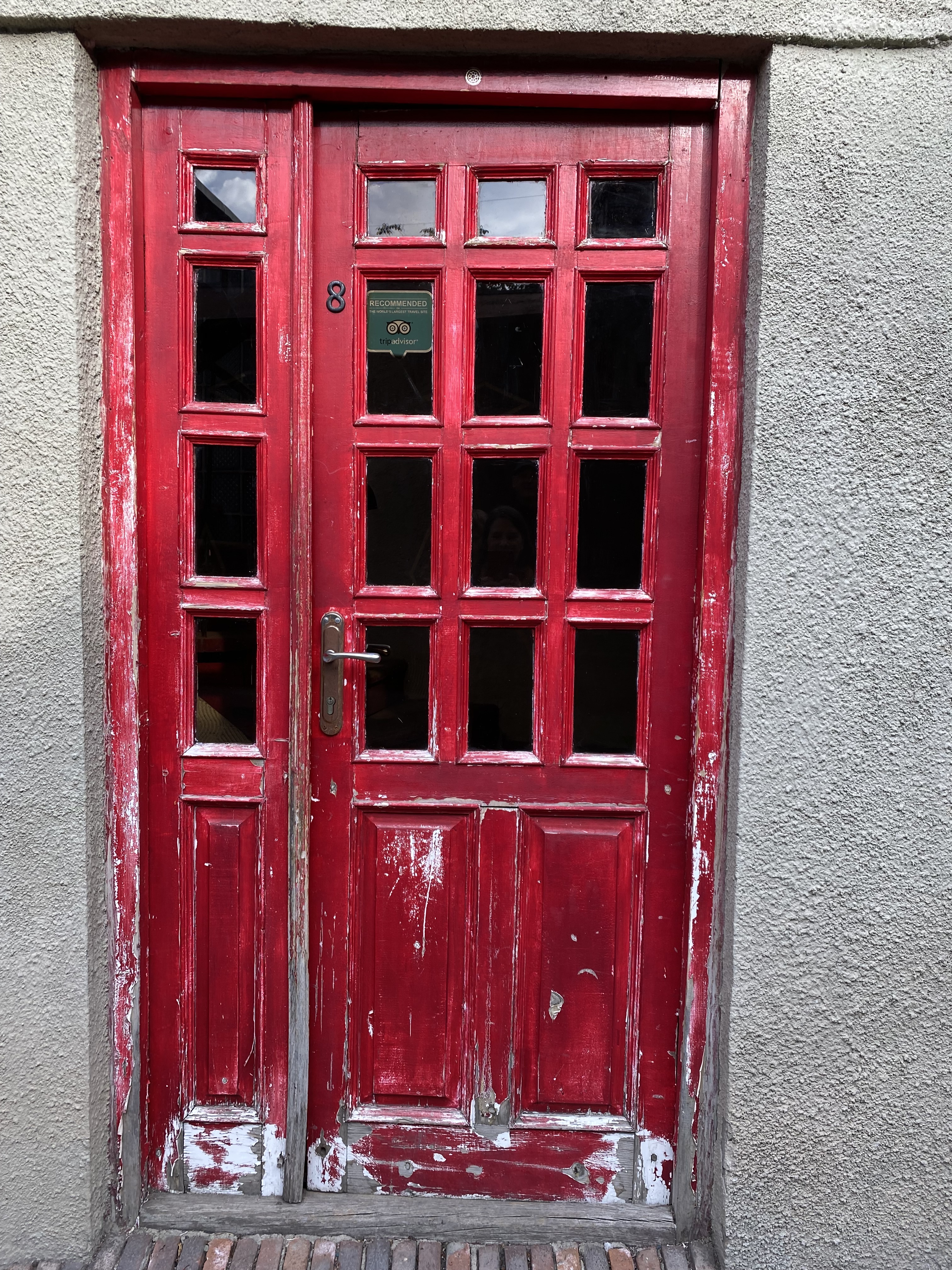
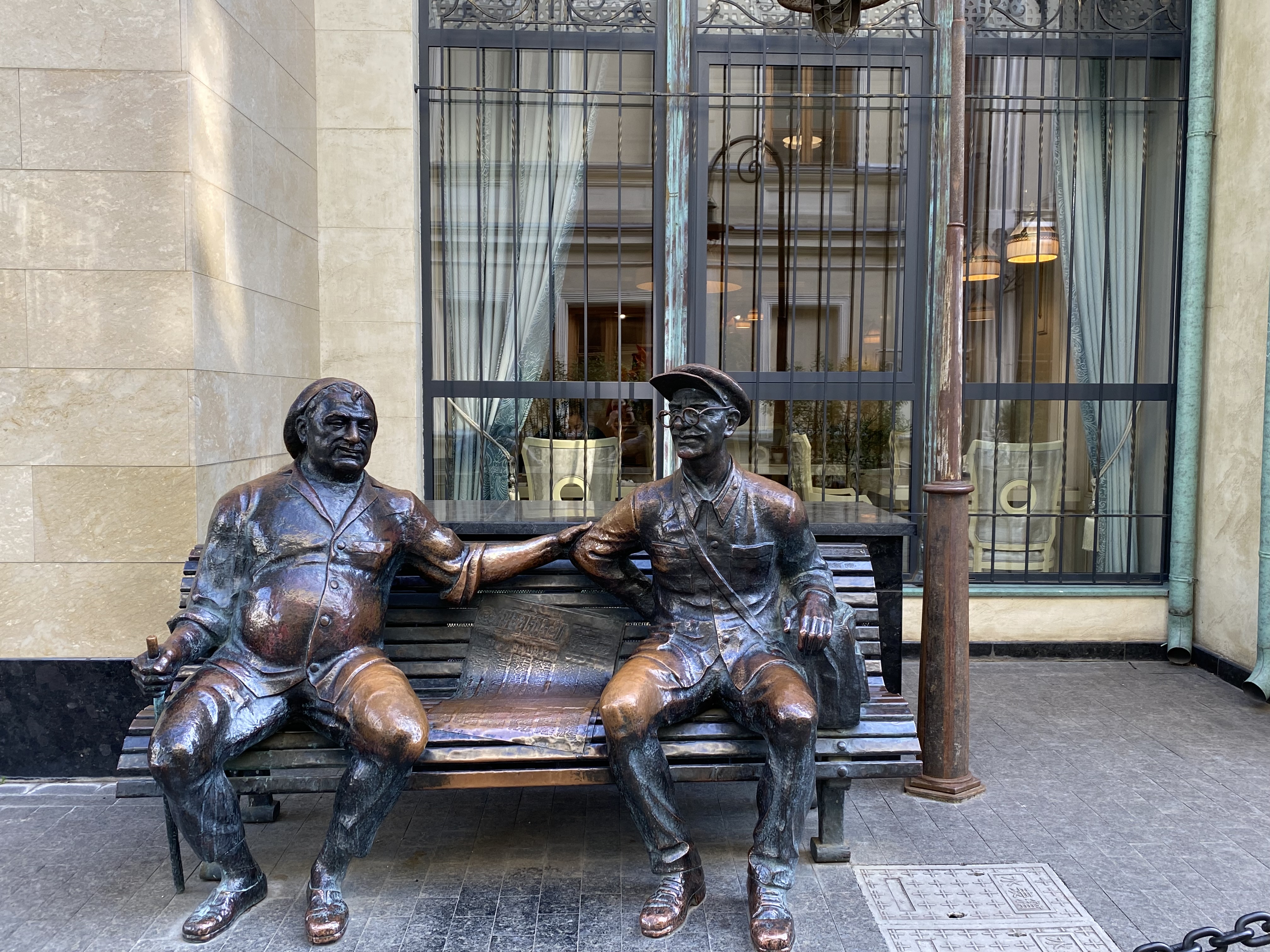
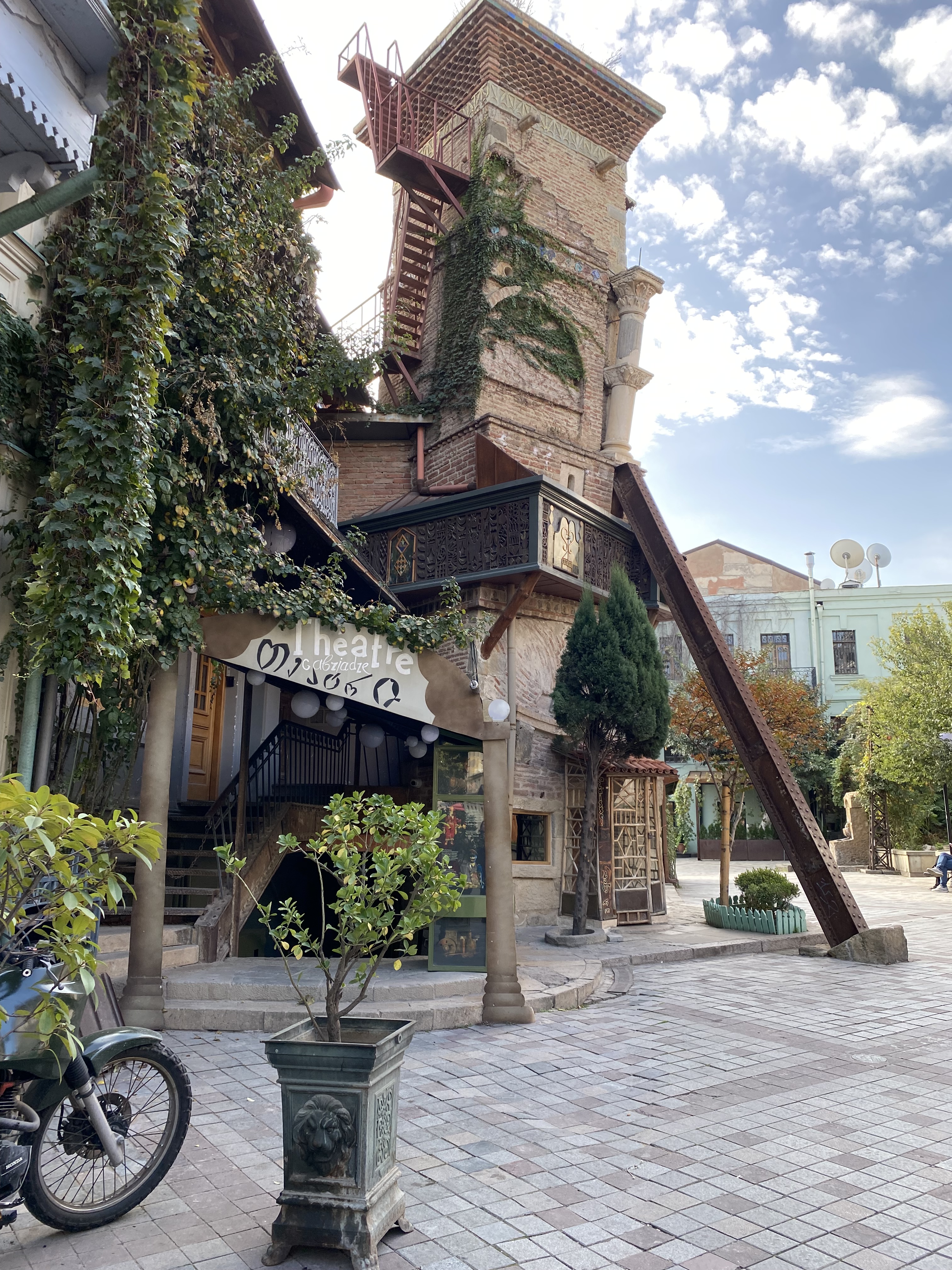
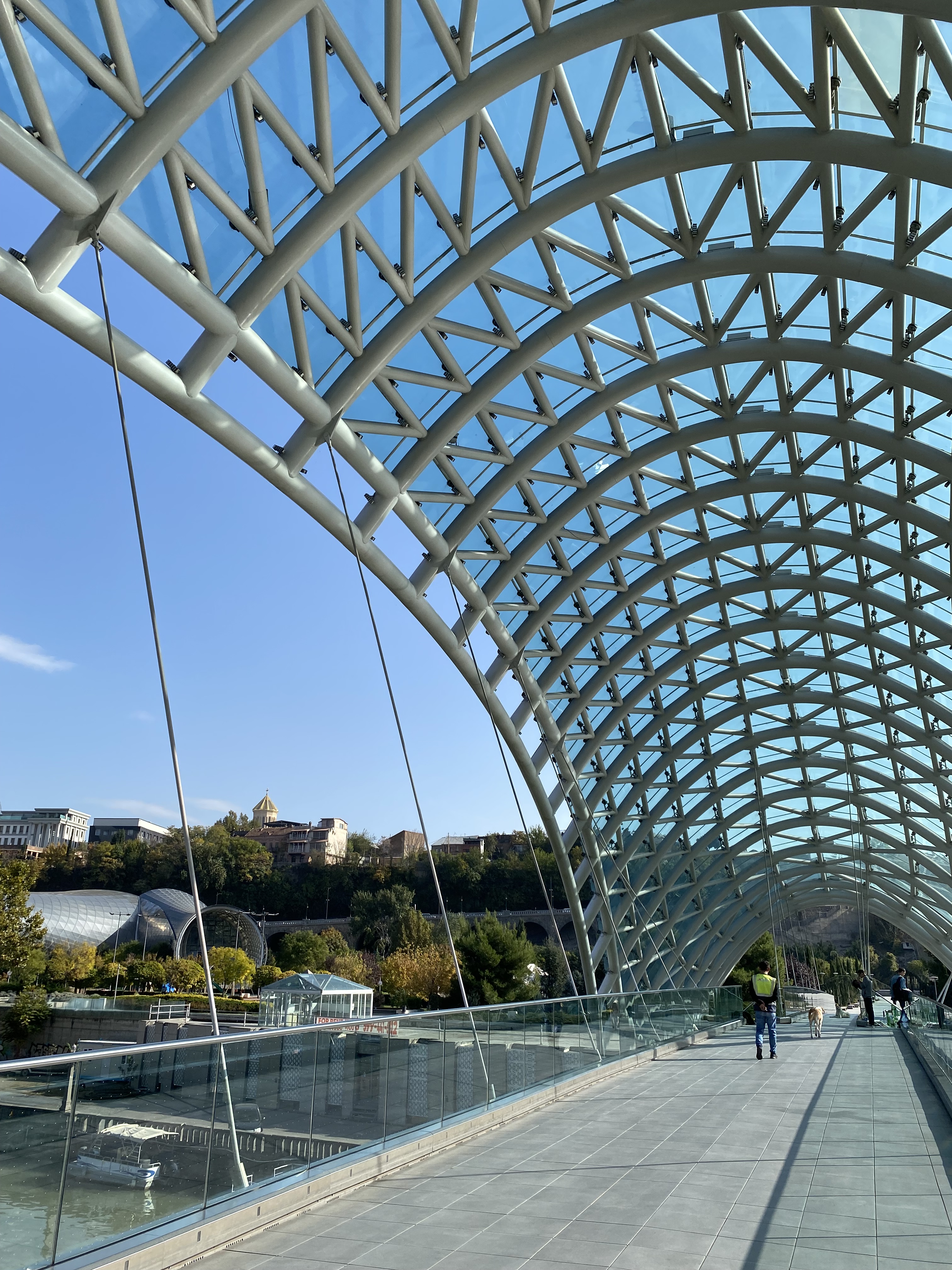
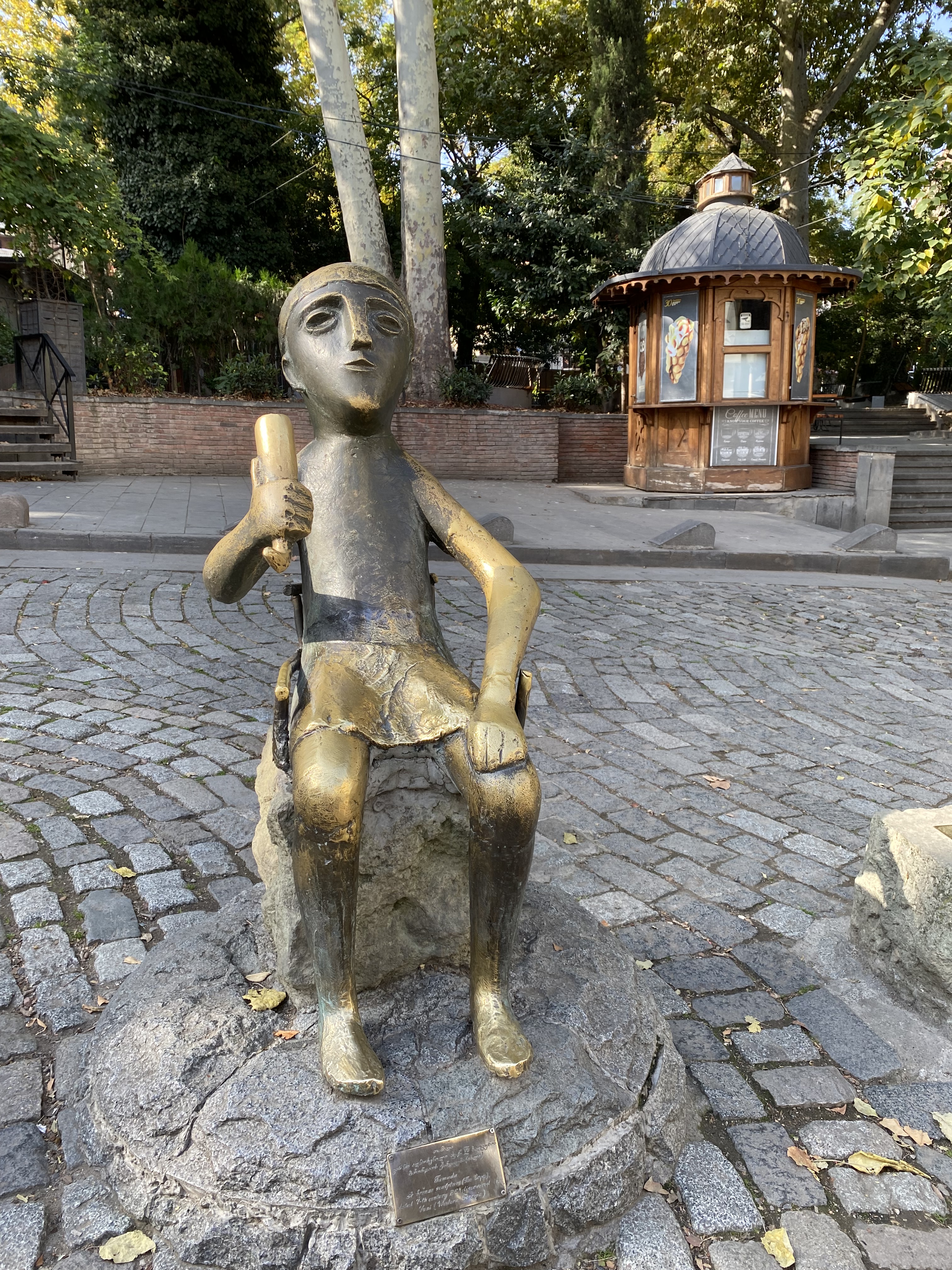
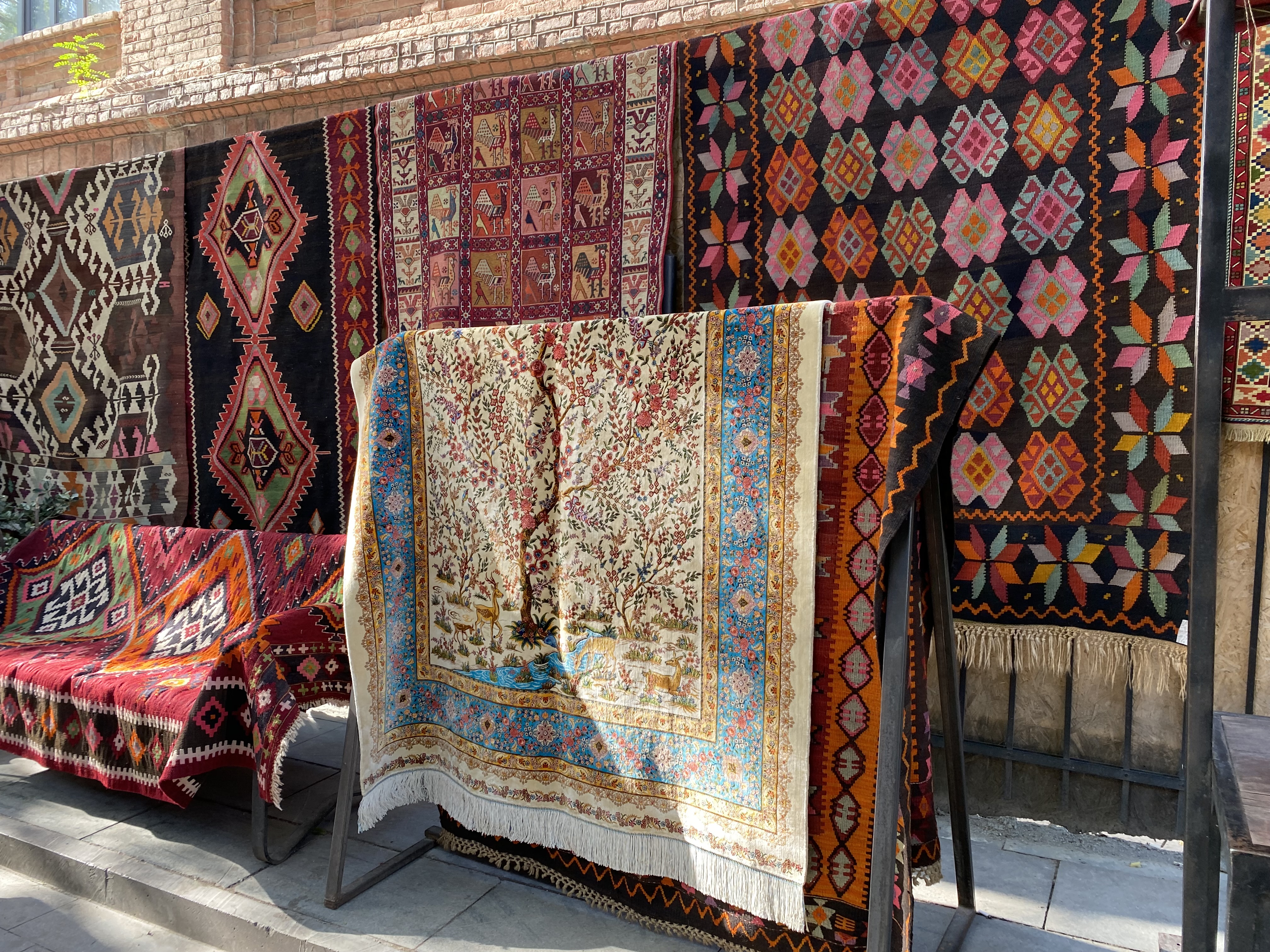
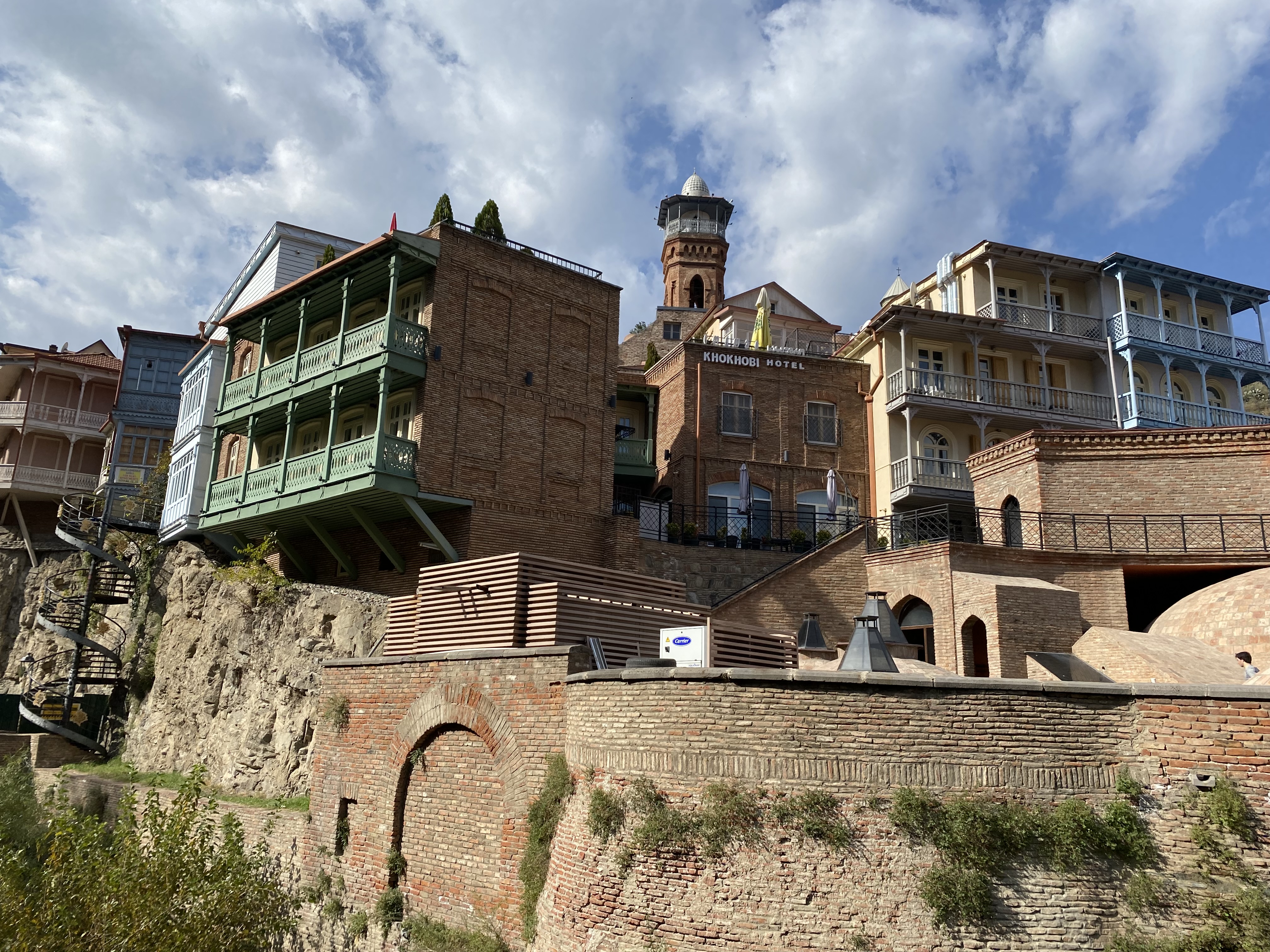
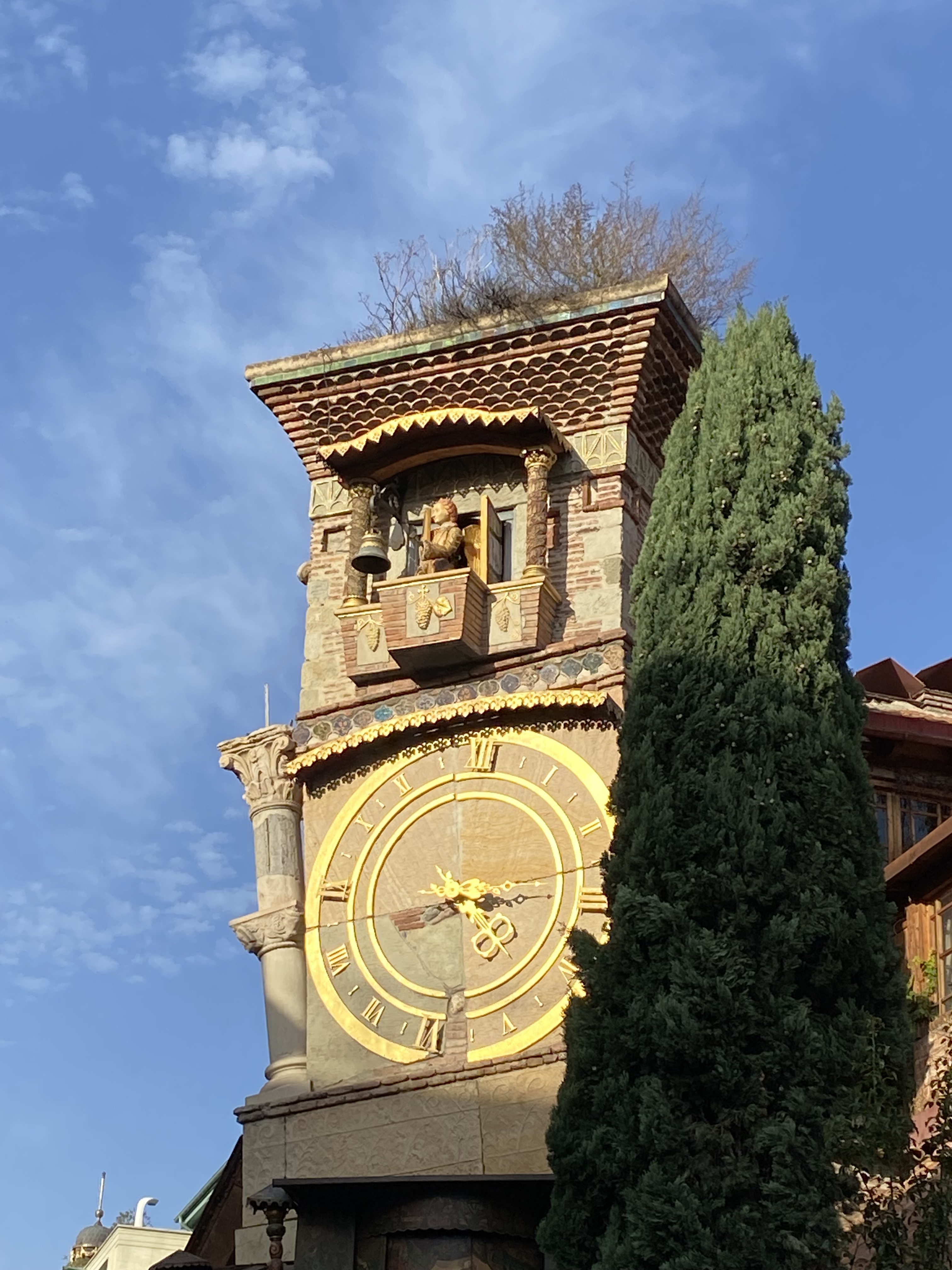
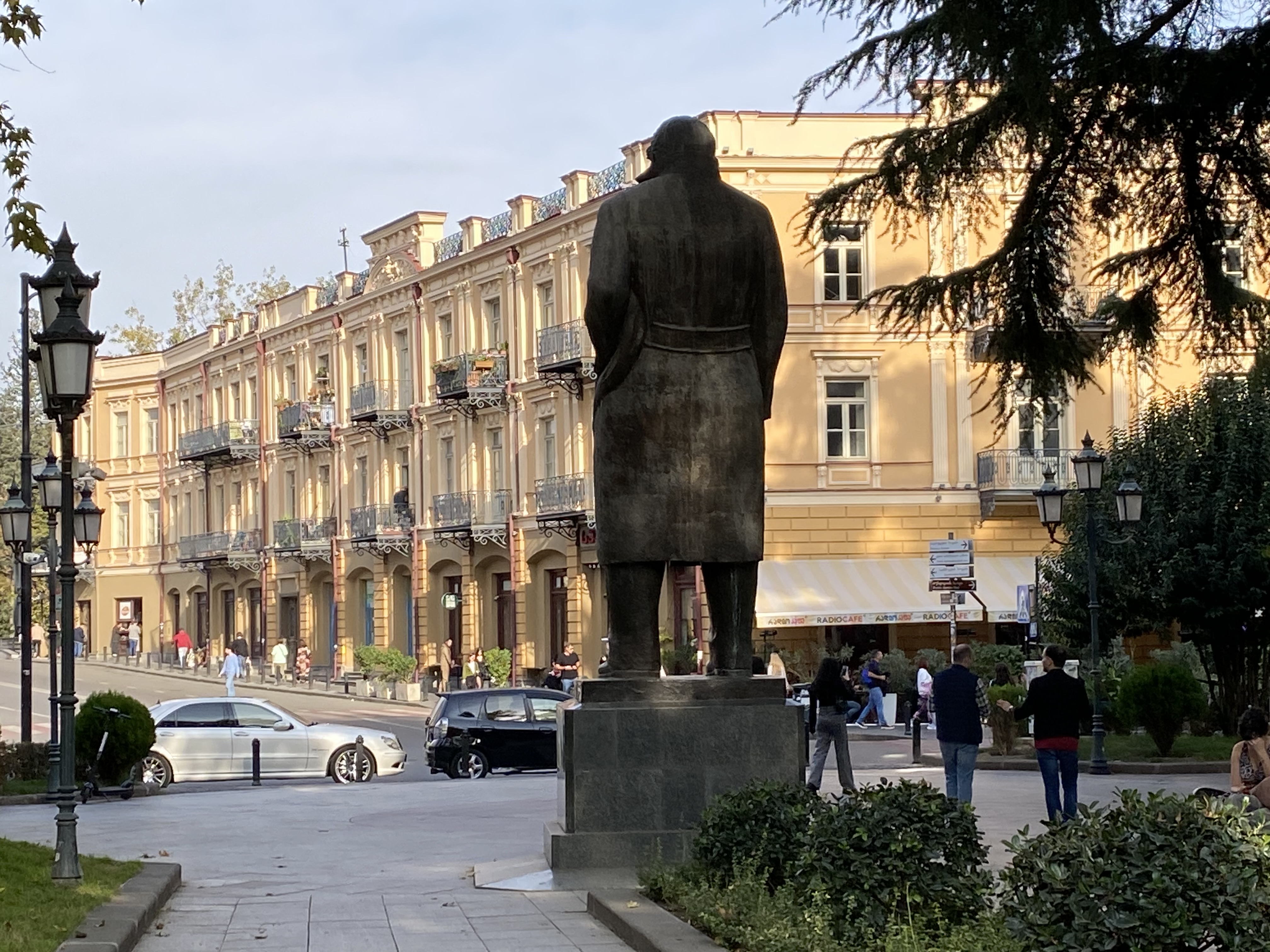
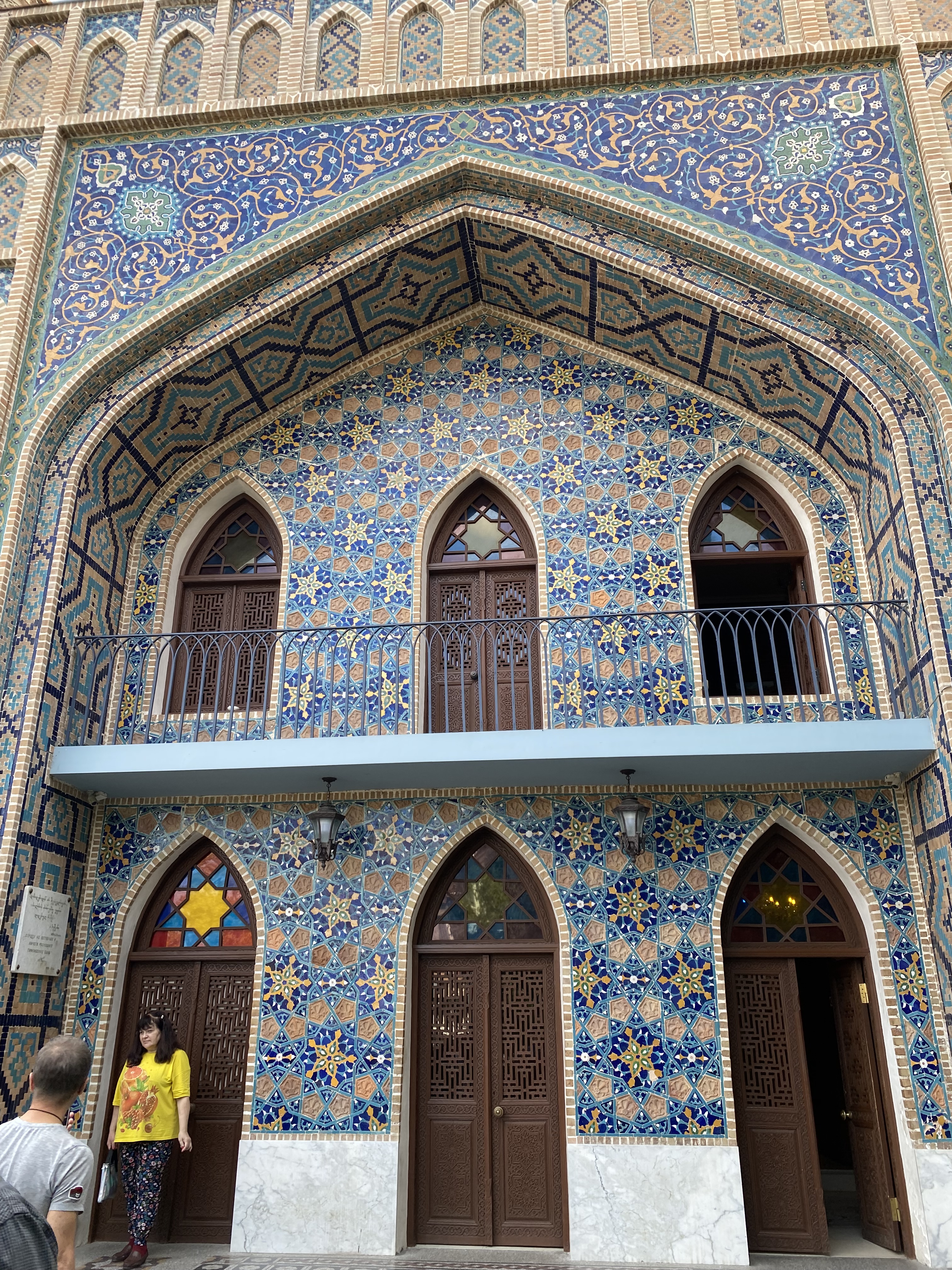
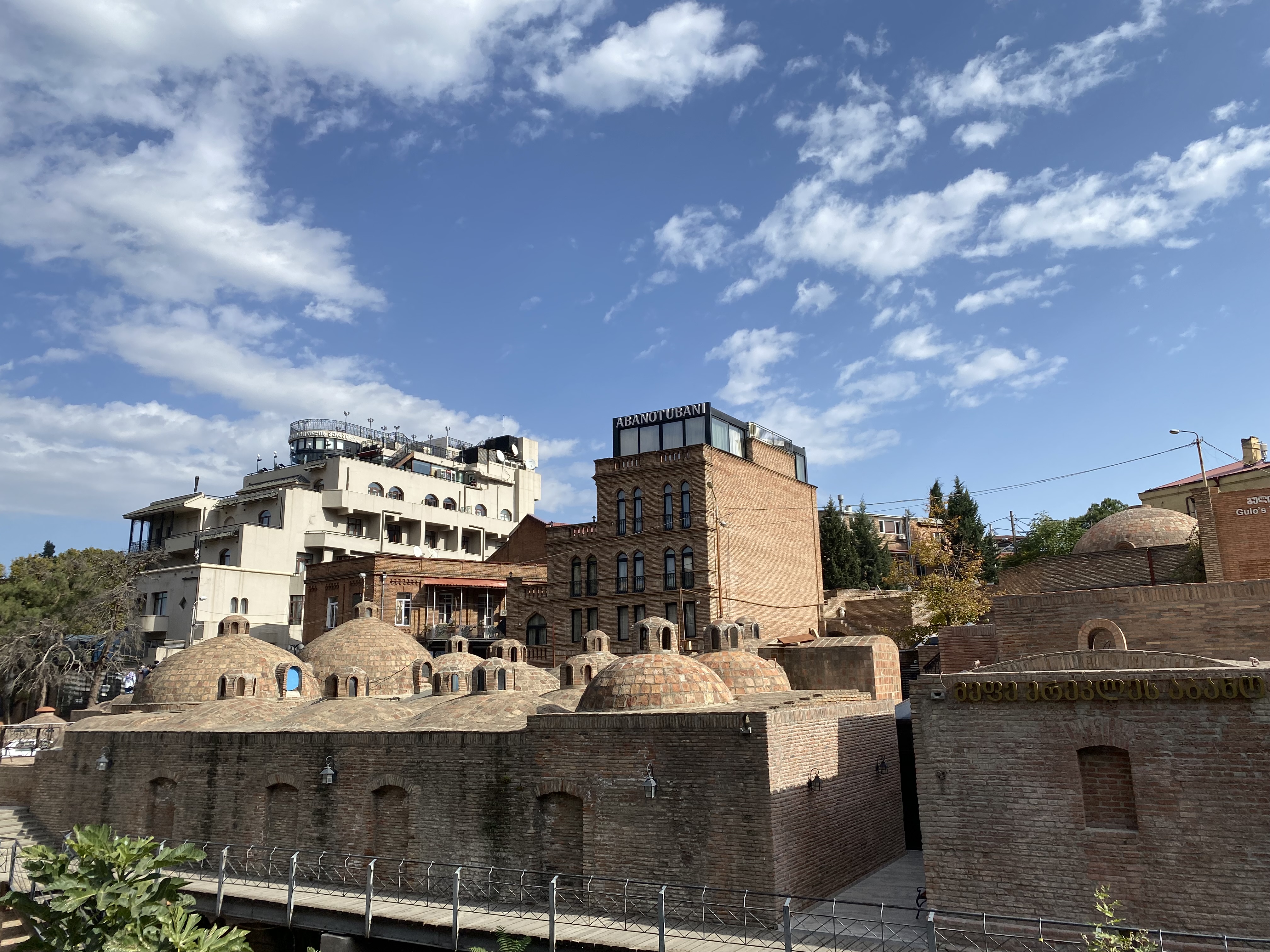
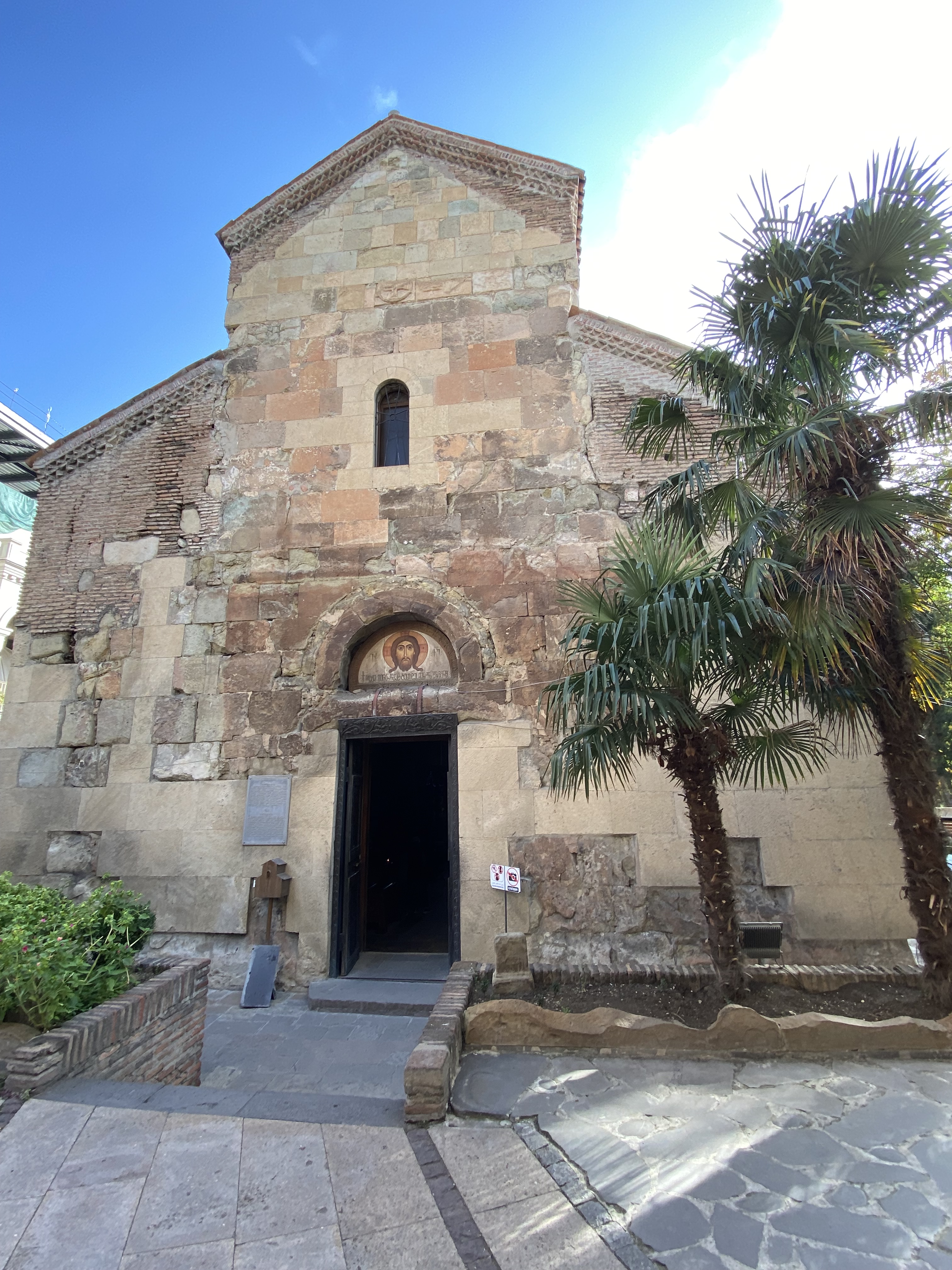
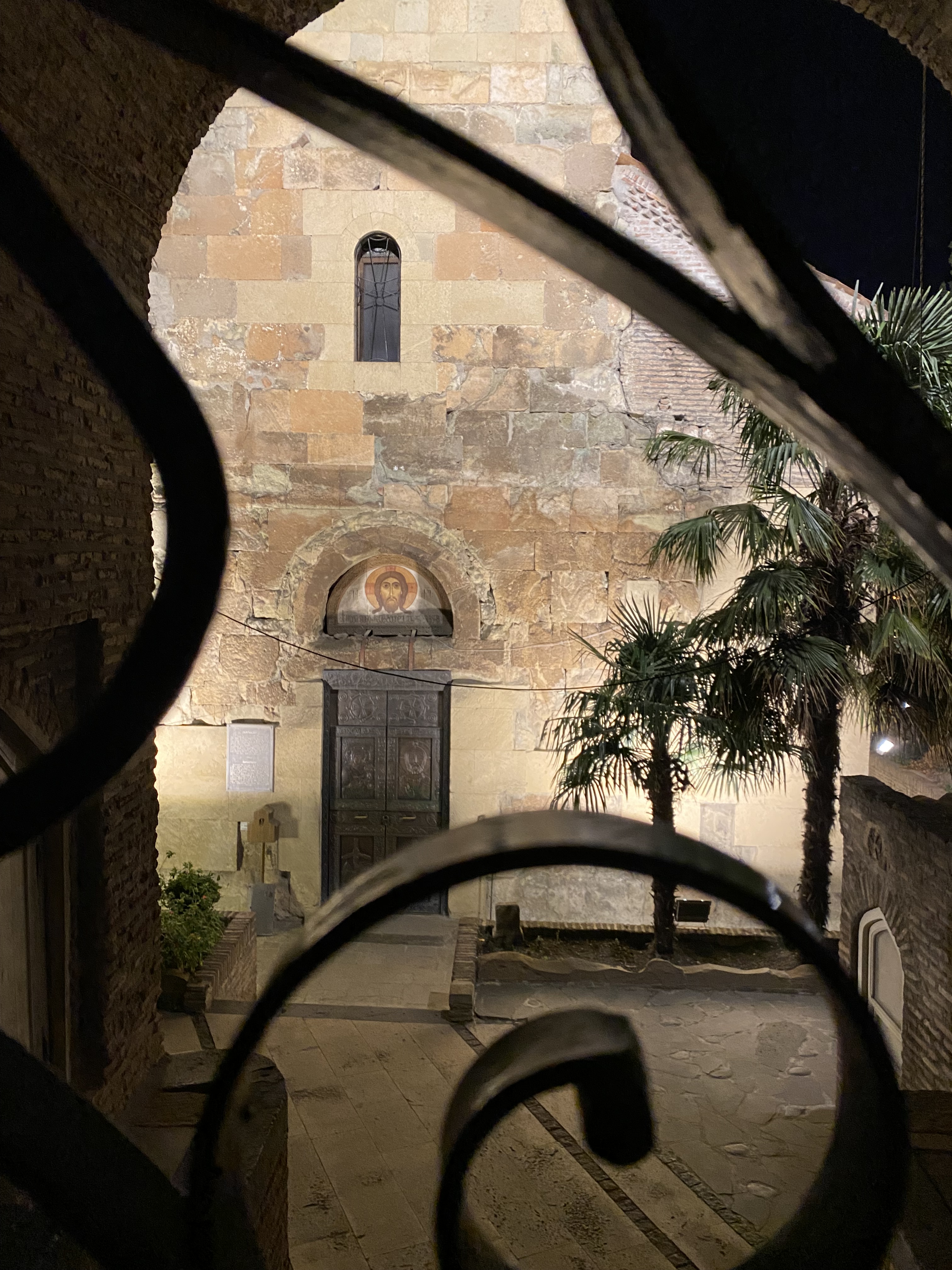
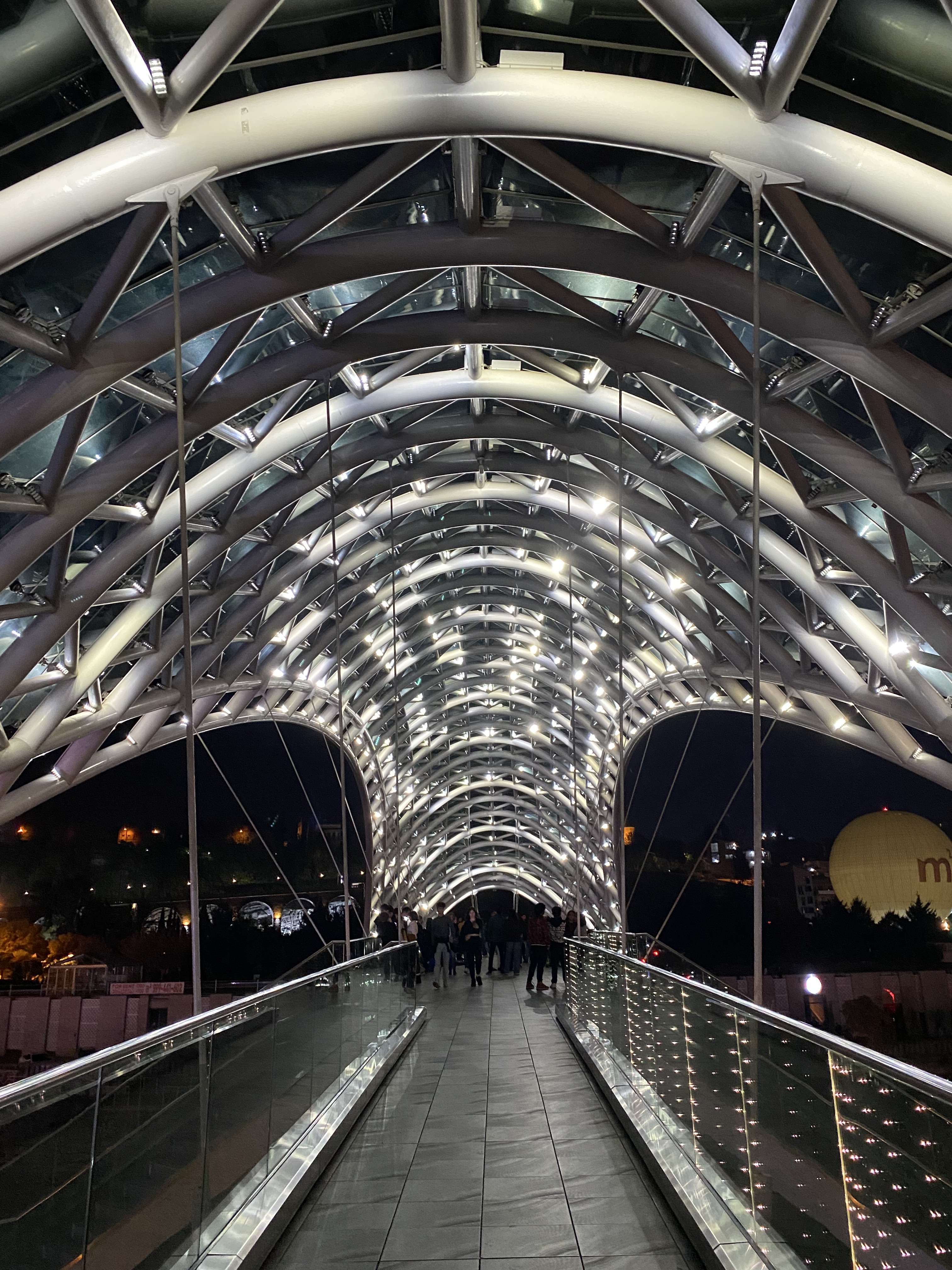
So here goes – The first morning after we arrived in Tbilisi, we walked through Old Town on a tour with a company called Friendly Ge. Our guide, Tamuna, took us on a fascinating four-hour tour, winding us along back streets (and into private courtyards overlooked by teetering balconies, with permission from residents); through the Meidan Bazaar, an underground shopping area packed to the gills with Georgian crafts, antiques and food items; into the atmospheric (shadowy and fragrant with incense) 6th century Anchiskhati Basilica of St Mary; onto the pedestrian Bridge of Peace built in 2010; up the tramway to see the colossal Mother of Georgia statue; and past the sulfur baths of Abanotubani. (This long list isn’t even complete…)
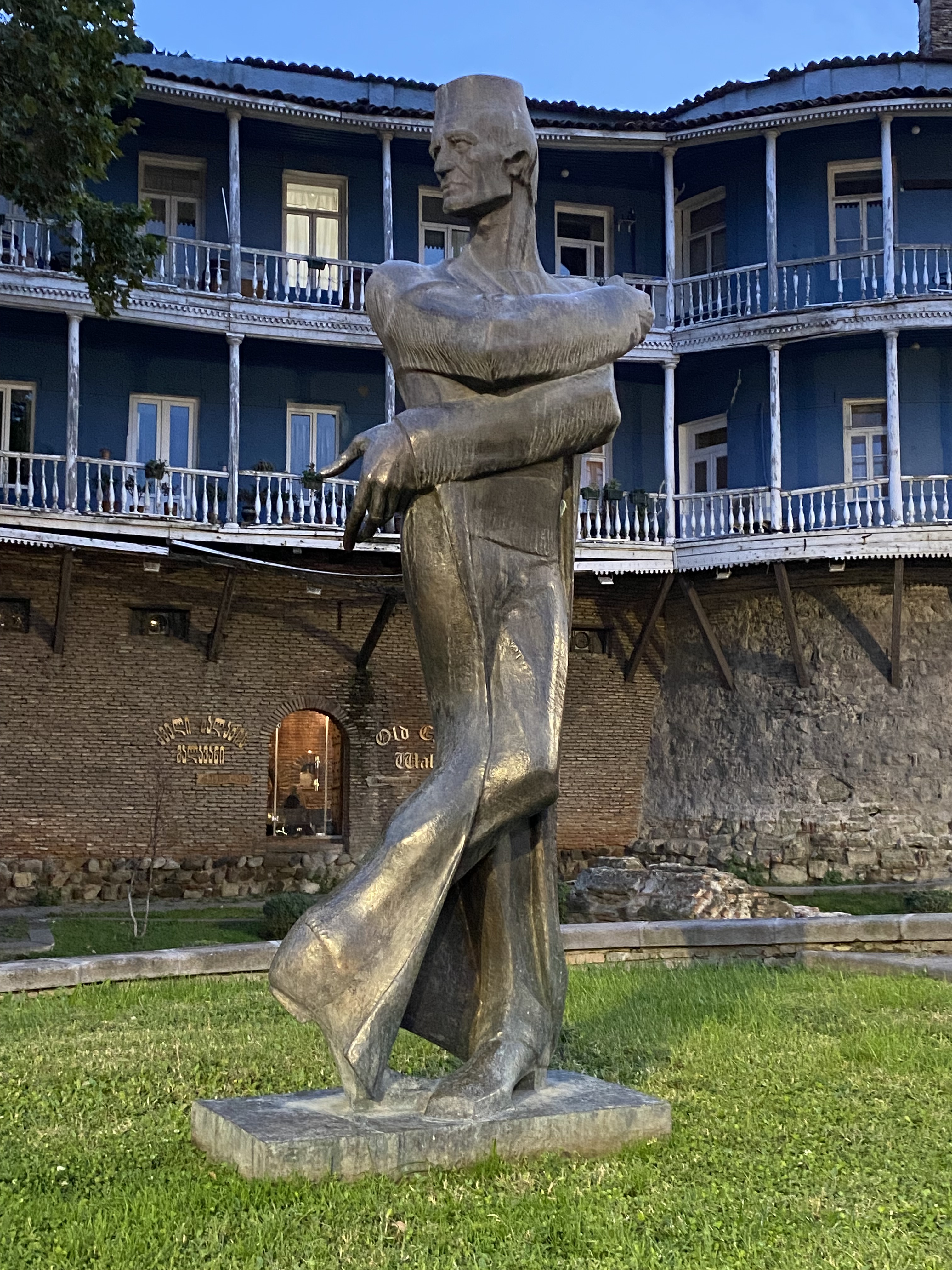
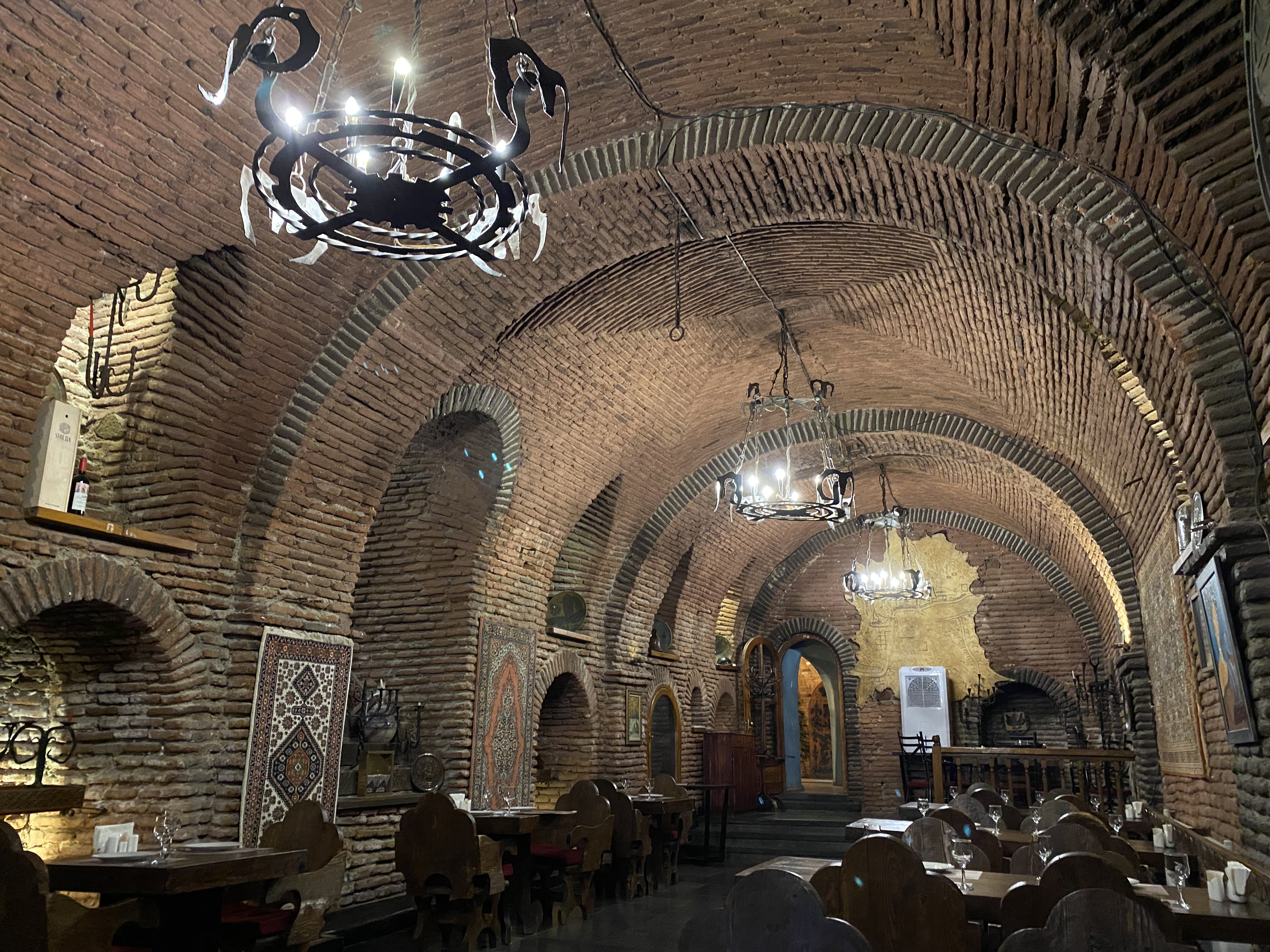
On our own, we packed in visits to the Georgian National Museum, absorbing thousands of years of rich local history and culture. The top floor is the Soviet Occupation Hall, which provides sobering details of Georgia’s incredibly painful recent past. We visited the Georgian Museum of Fine Arts for a Banksy exhibition and lingered to admire Georgian artists’ work on display. Liam had fun in the immersive Tbilisi Digital Space (where the waiting area warned us graphically and visually about Russian aggression). We visited the Tbilisi history museum in a 17th century arcade-like building and took a tour of the Wine Museum in the arched basement.
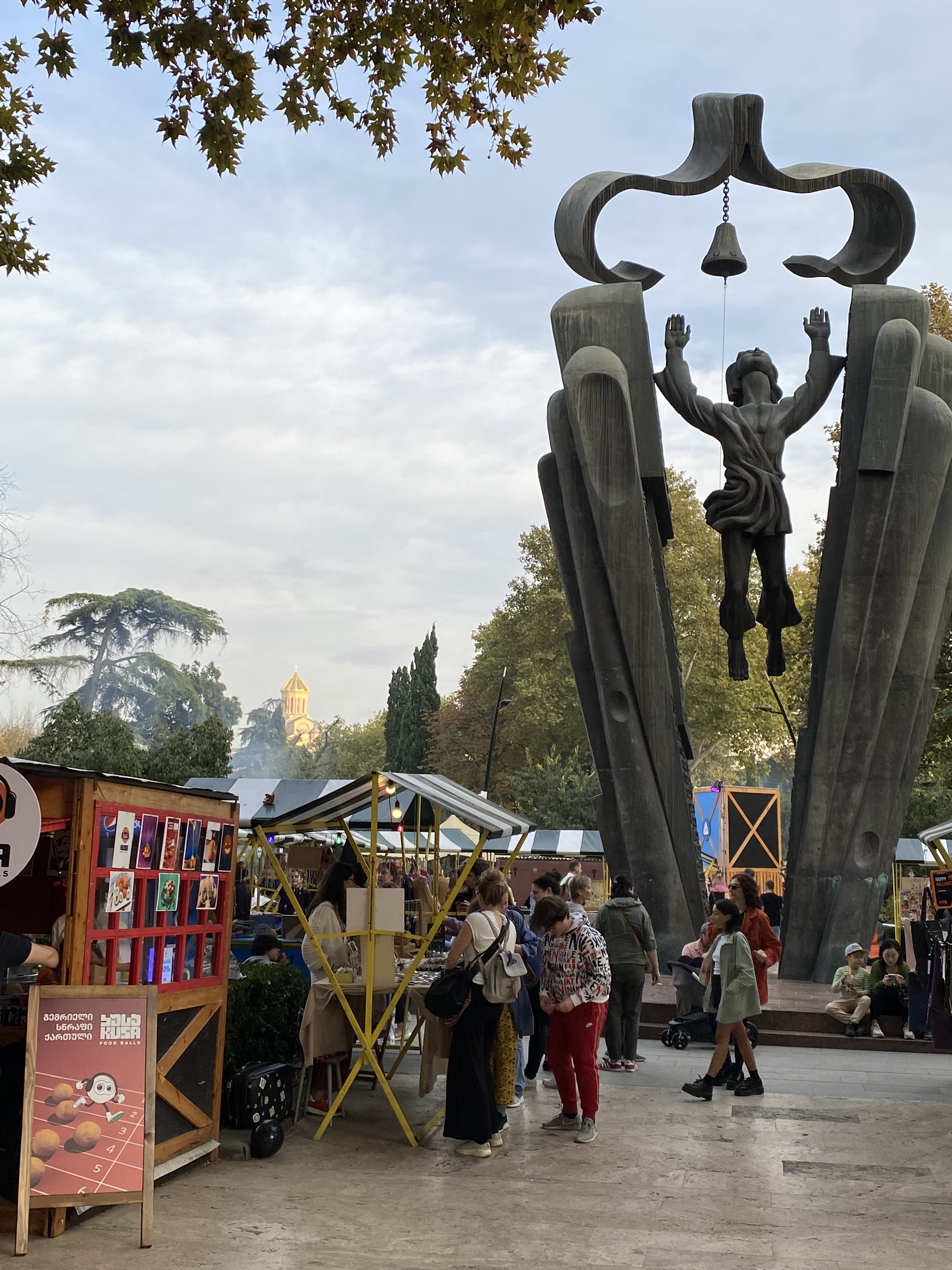
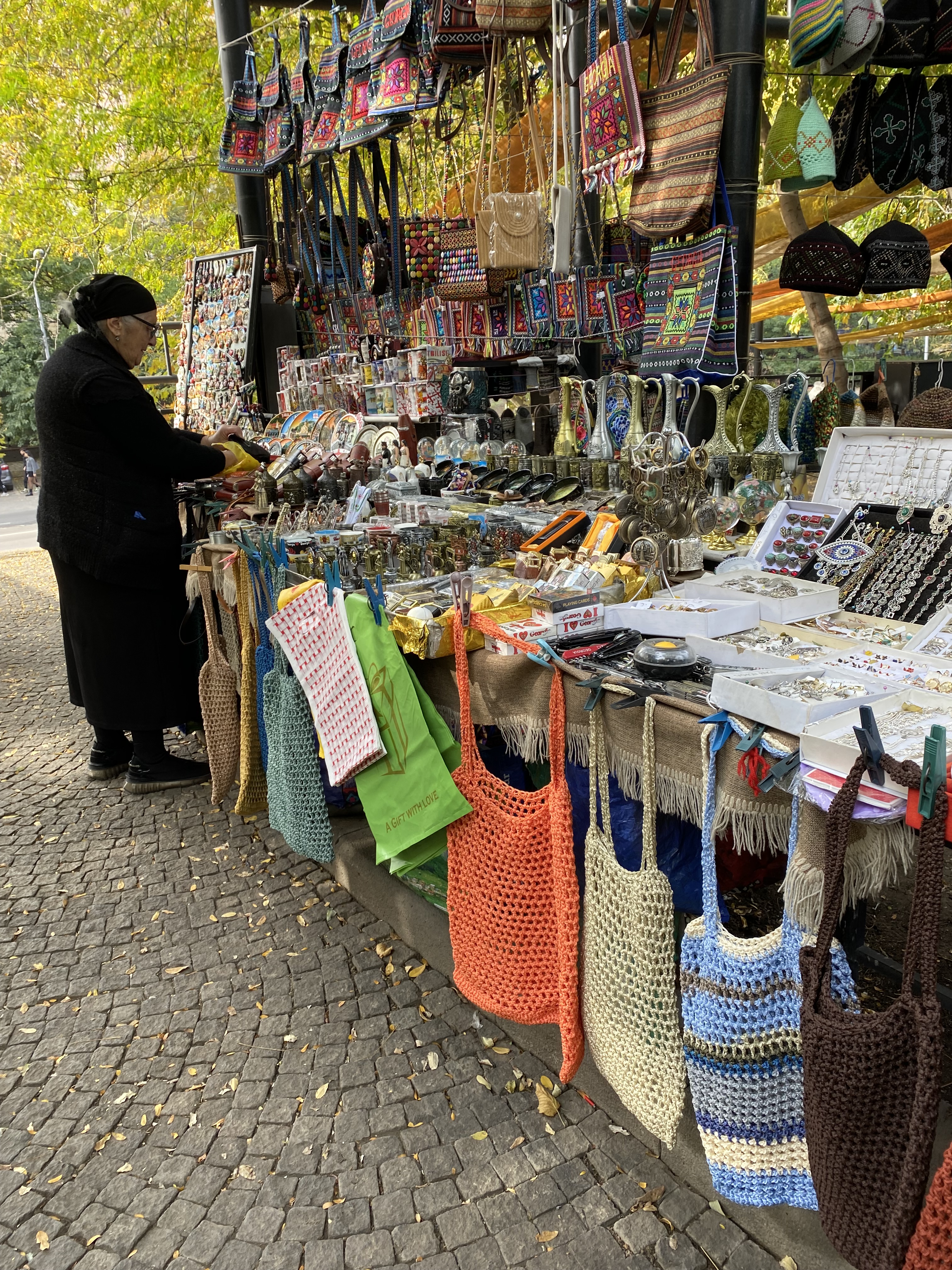
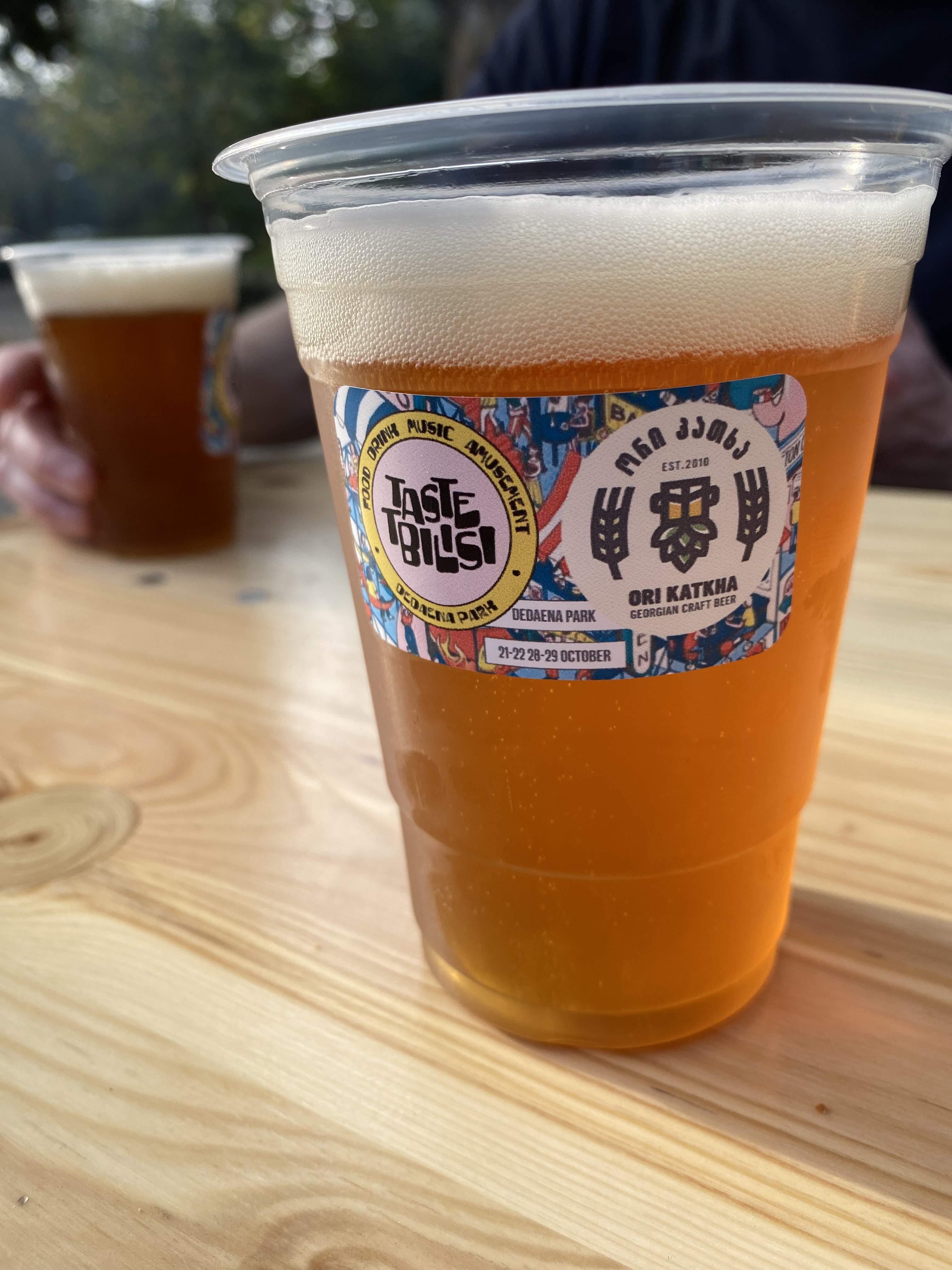
We strolled the Dry Bridge Market, a city center street flea market where you can buy Soviet-era trinkets, not to mention books, antiques, knives, and well, lots of random things sold by elder residents. At the adjacent outdoor art market we deliberated – painfully but sweetly – over which paintings needed to come home with us and enjoyed minimal-English conversations with the artists. We ended up at a free food festival at the nearby park and rubbed shoulders with locals while drinking pints and soaking up the autumn sunshine.
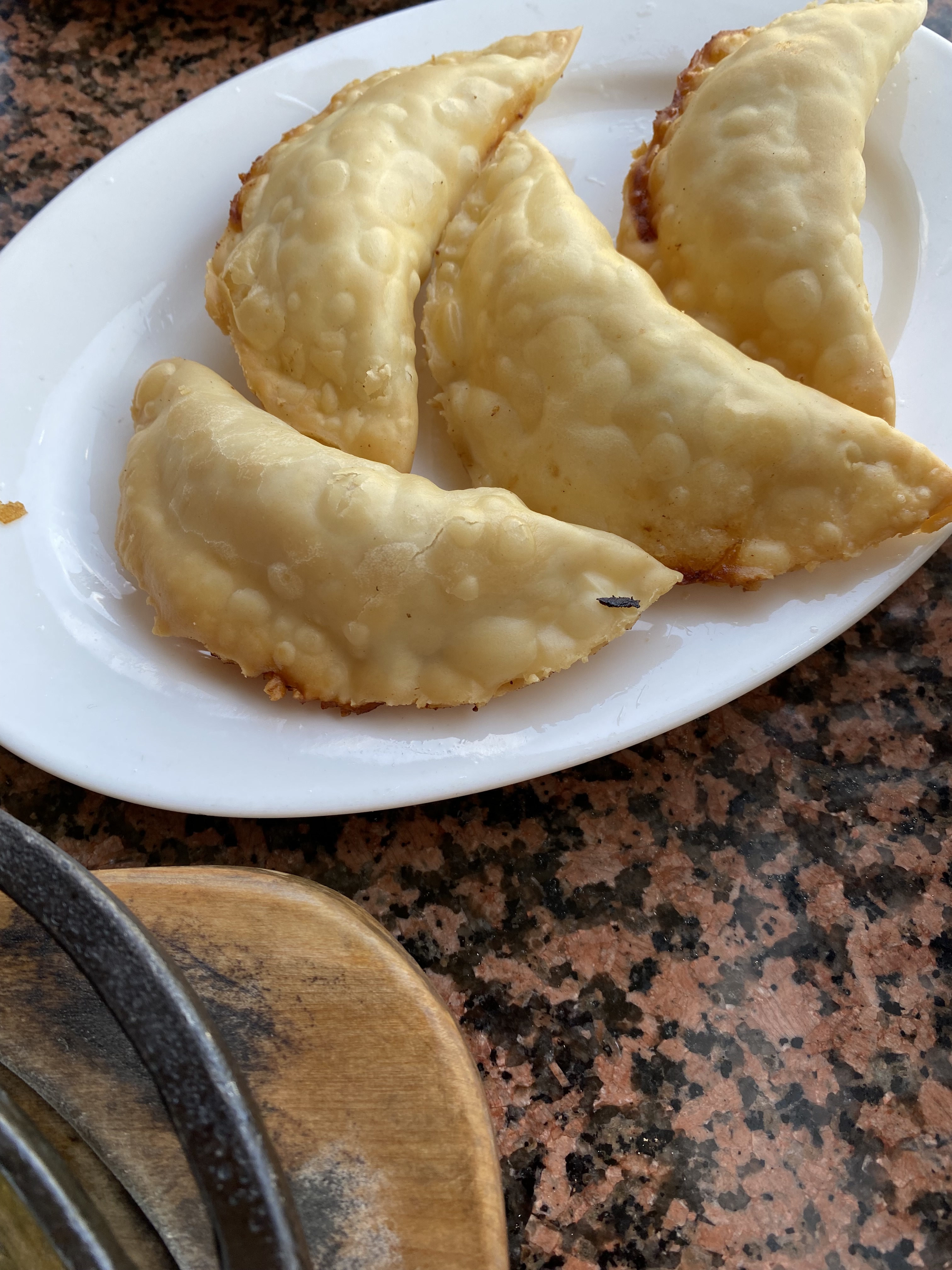
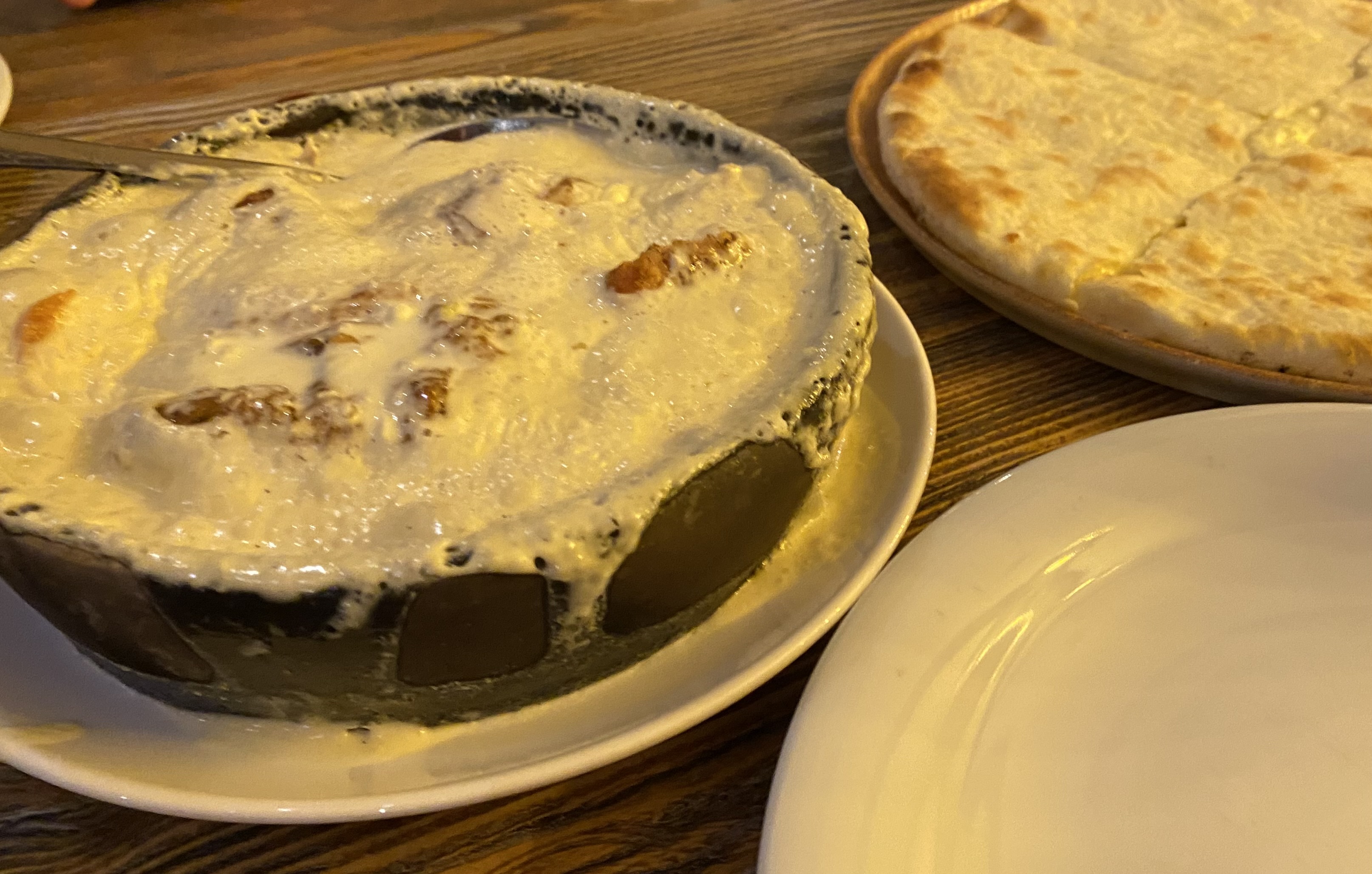
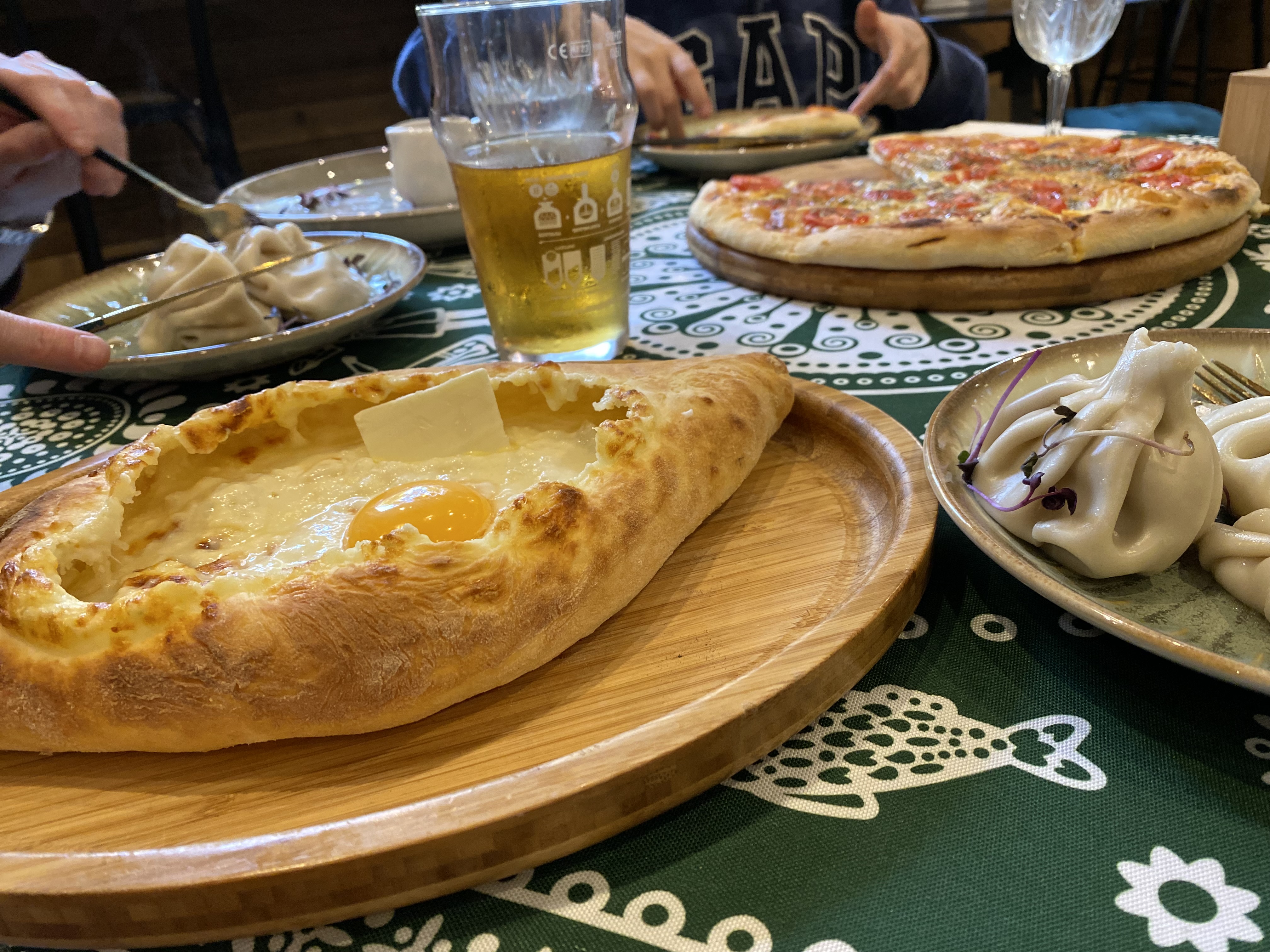
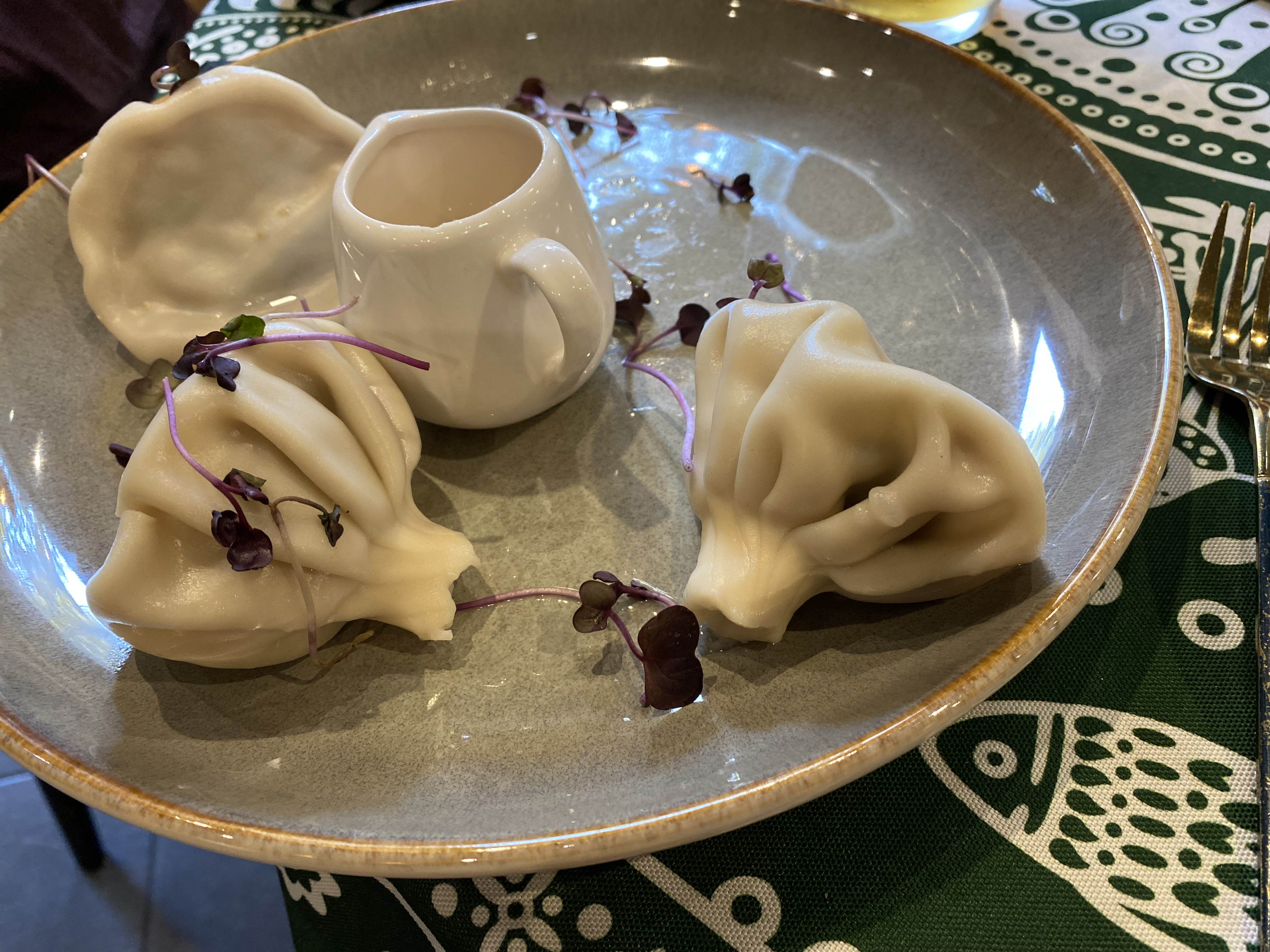
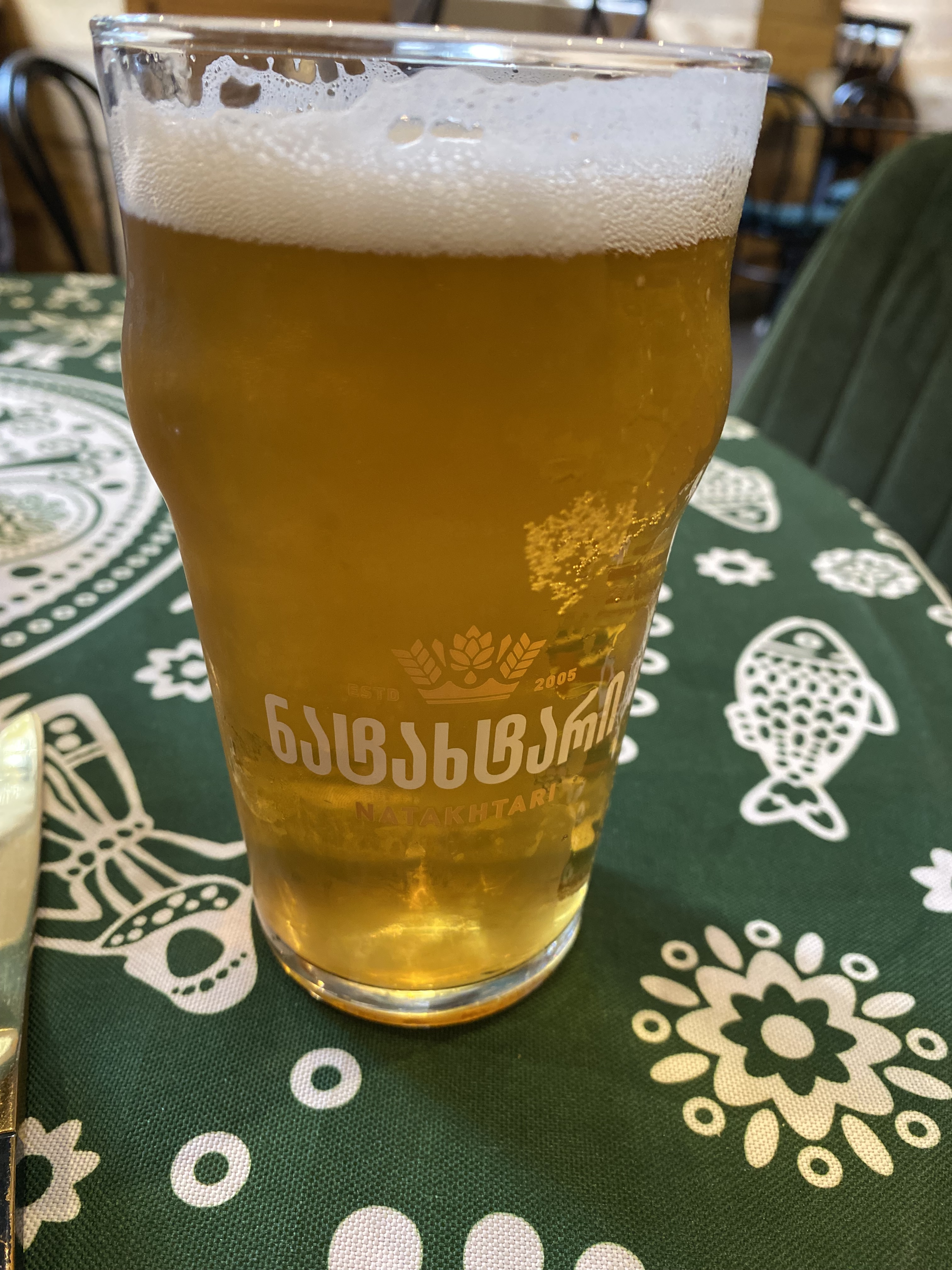
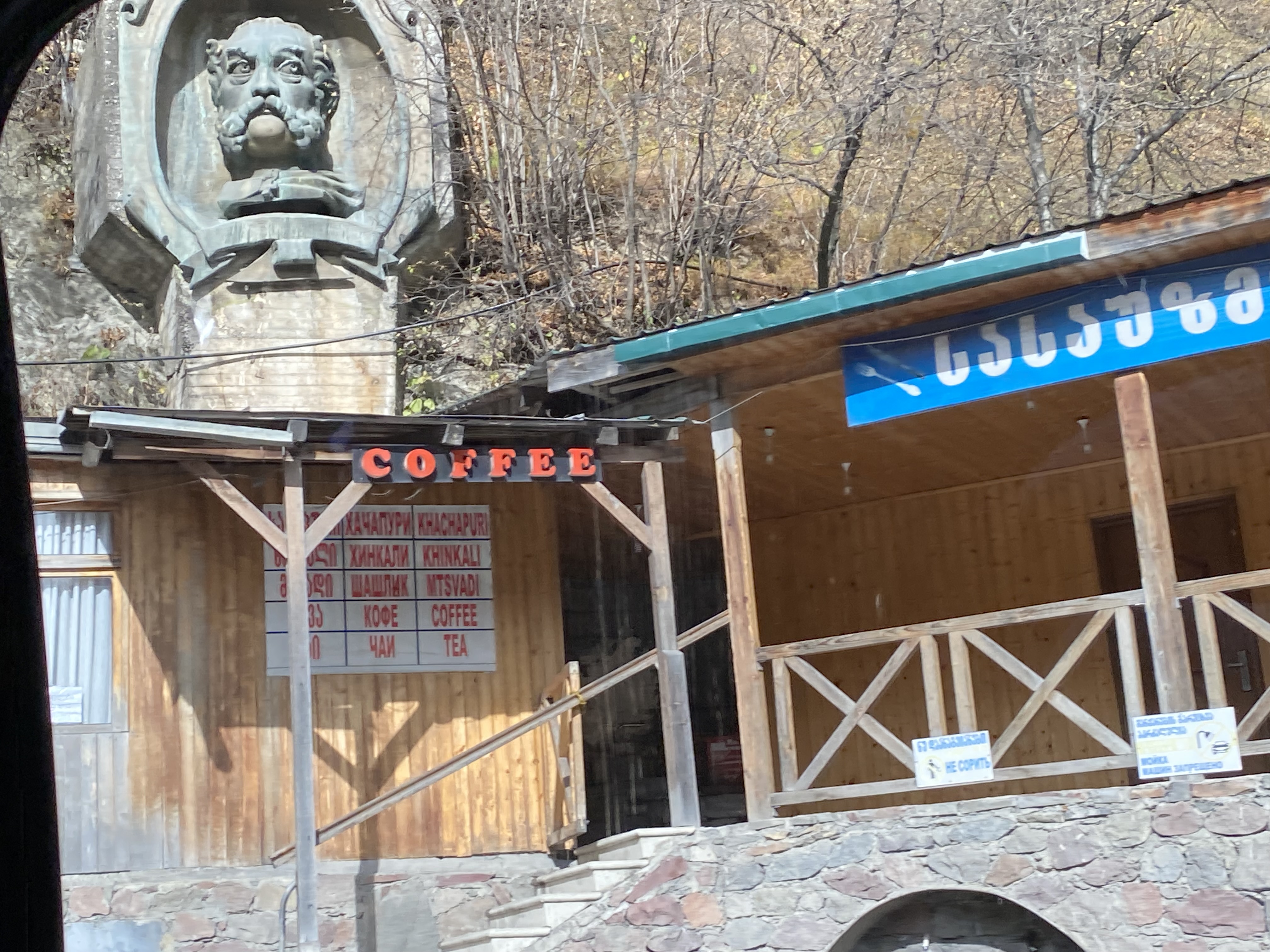
Georgian food was amazing – we ate delightfully carb-heavy lunches and dinners of local specialties Khinkali (meat or potato dumplings!), Khachipuri (cheese break complete with a soft egg cracked on top!), Shkmeruli (tender chicken baked in milk), and Georgian salads with impossibly creamy walnut dressing. We imbibed Georgian qvevri wine, aged in the ground in clay pots as they’ve done for 8,000 years – including rather bright orange wine. And stood on the street scarfing down freshly made hot chimney cakes (sweet dough in a cylinder) filled to the brim with melting ice cream.
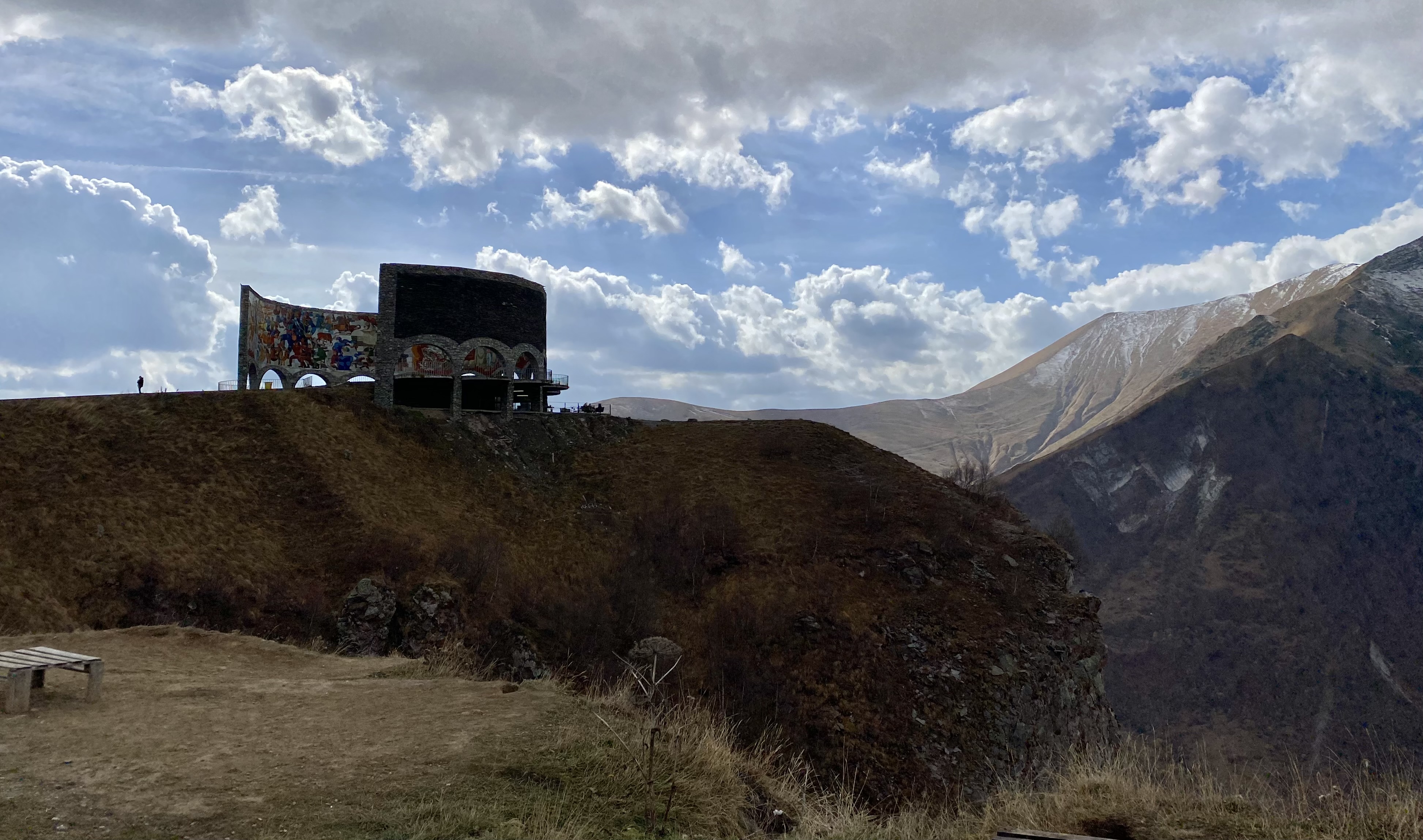
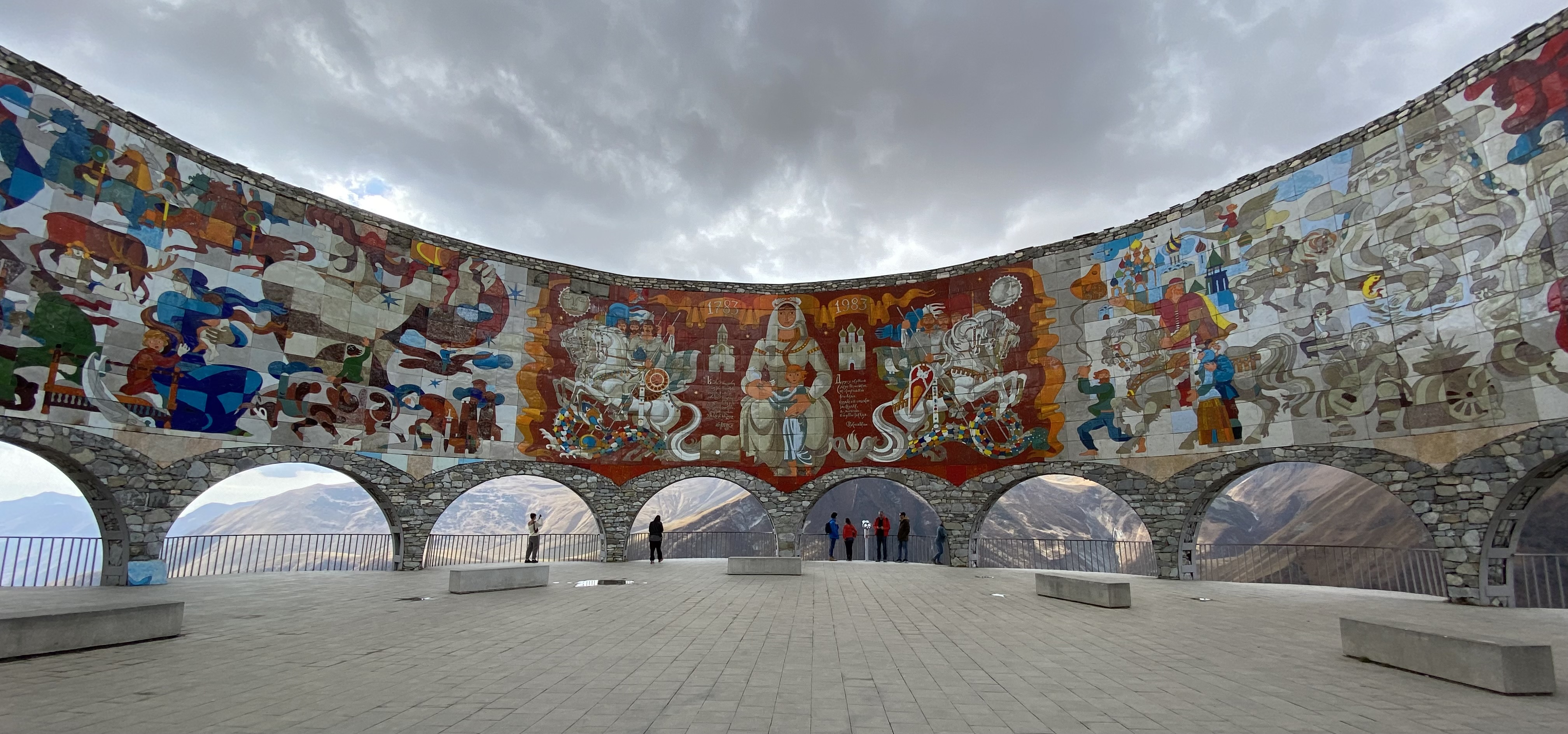
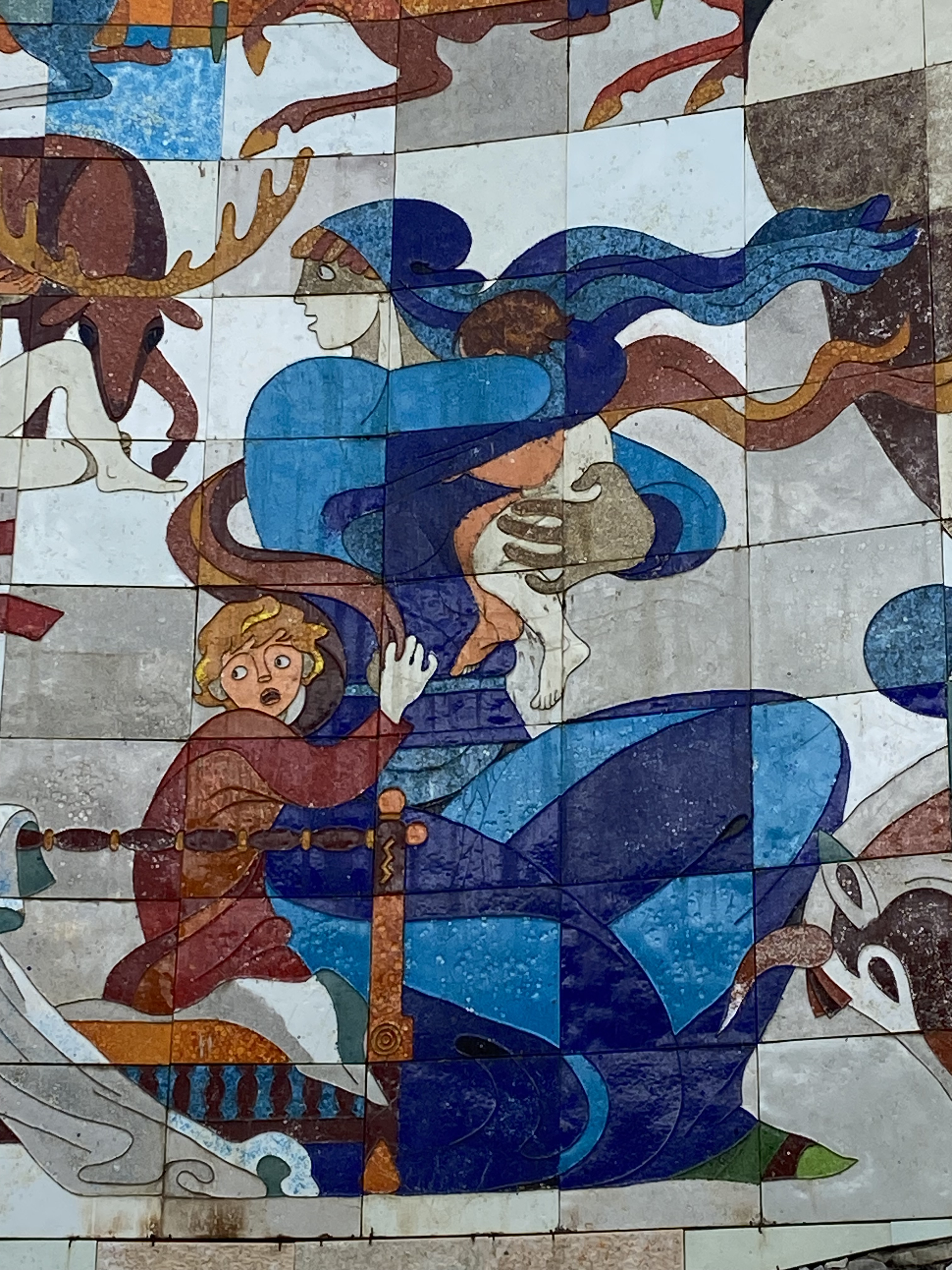
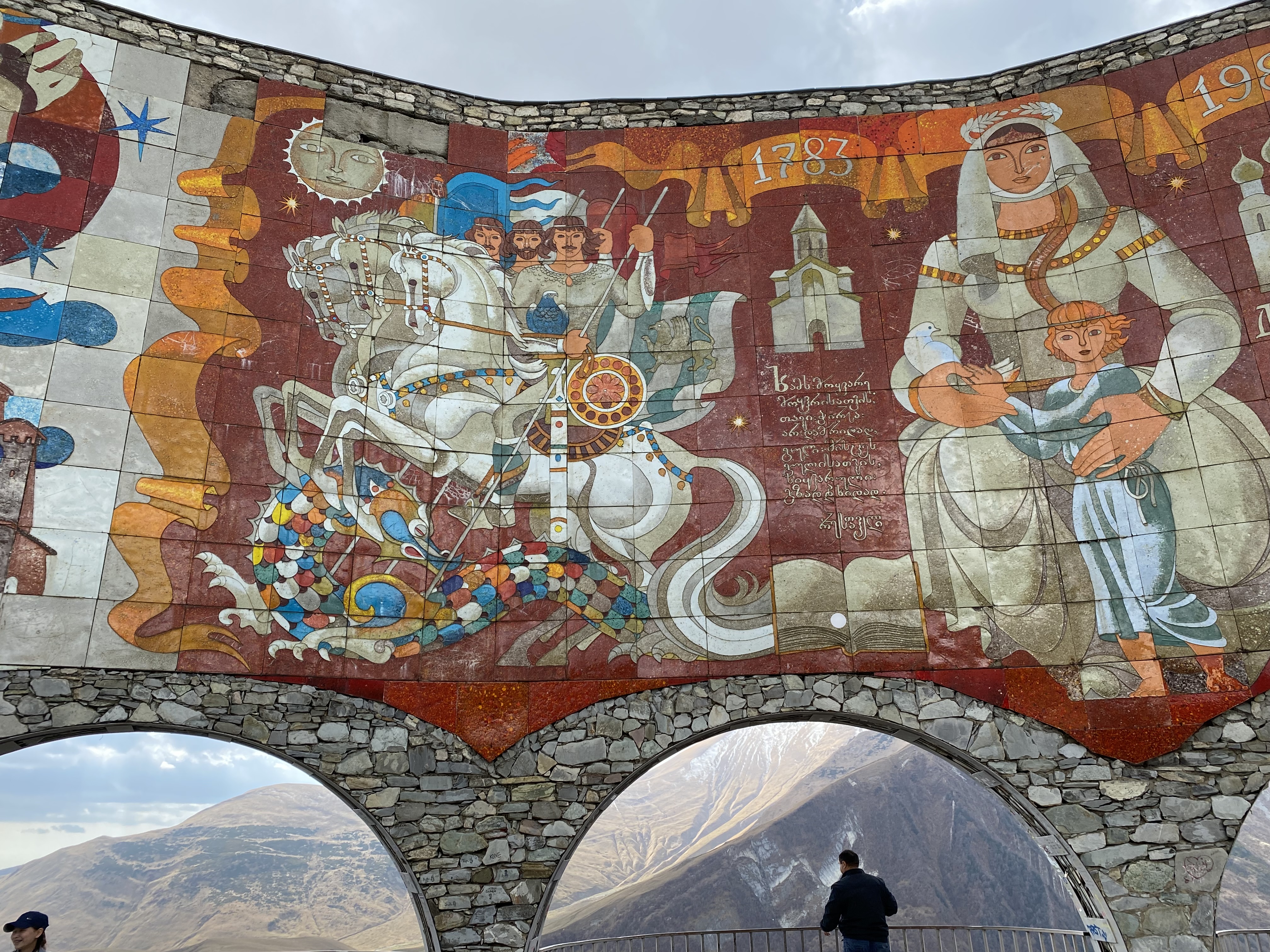
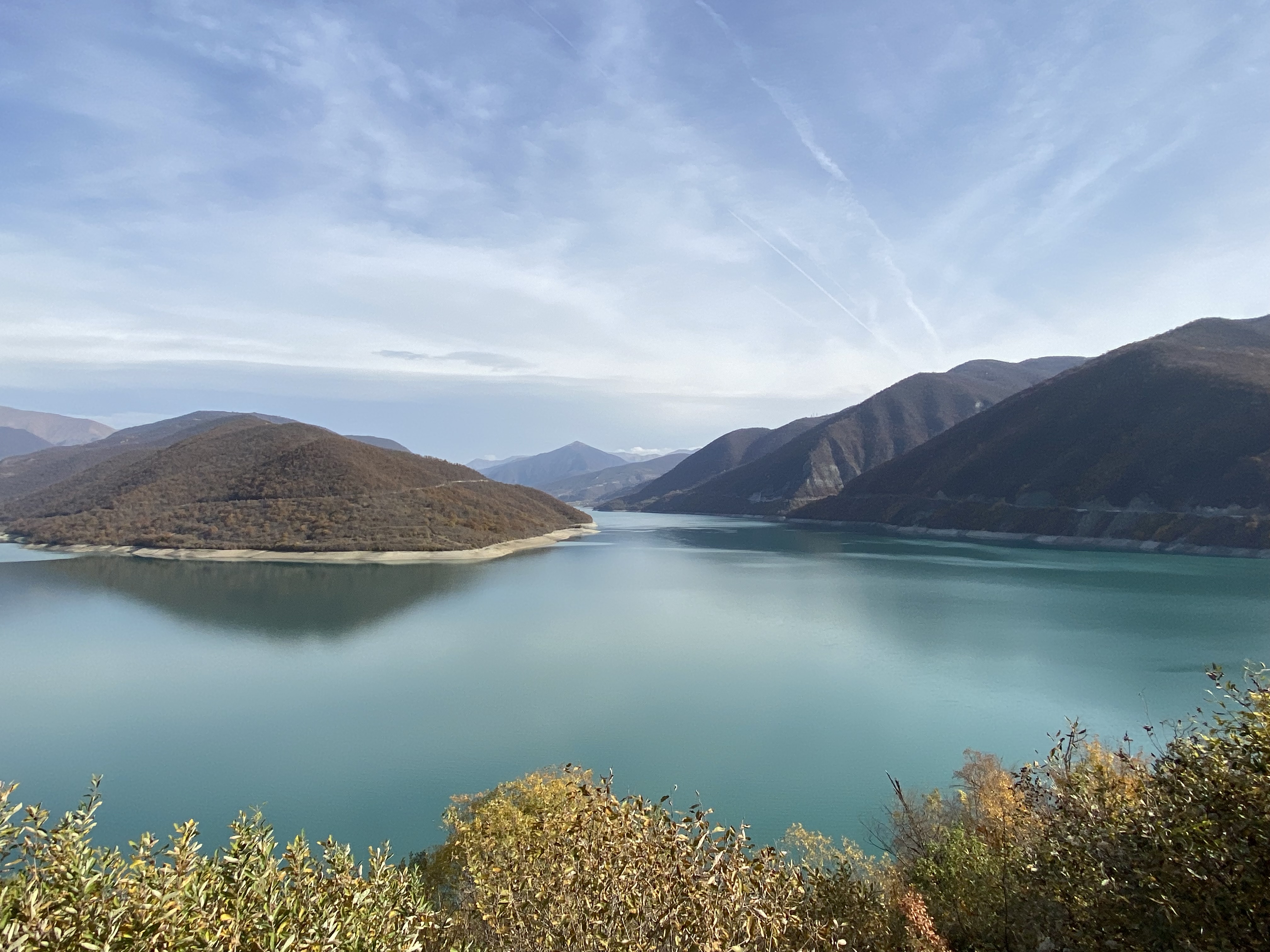
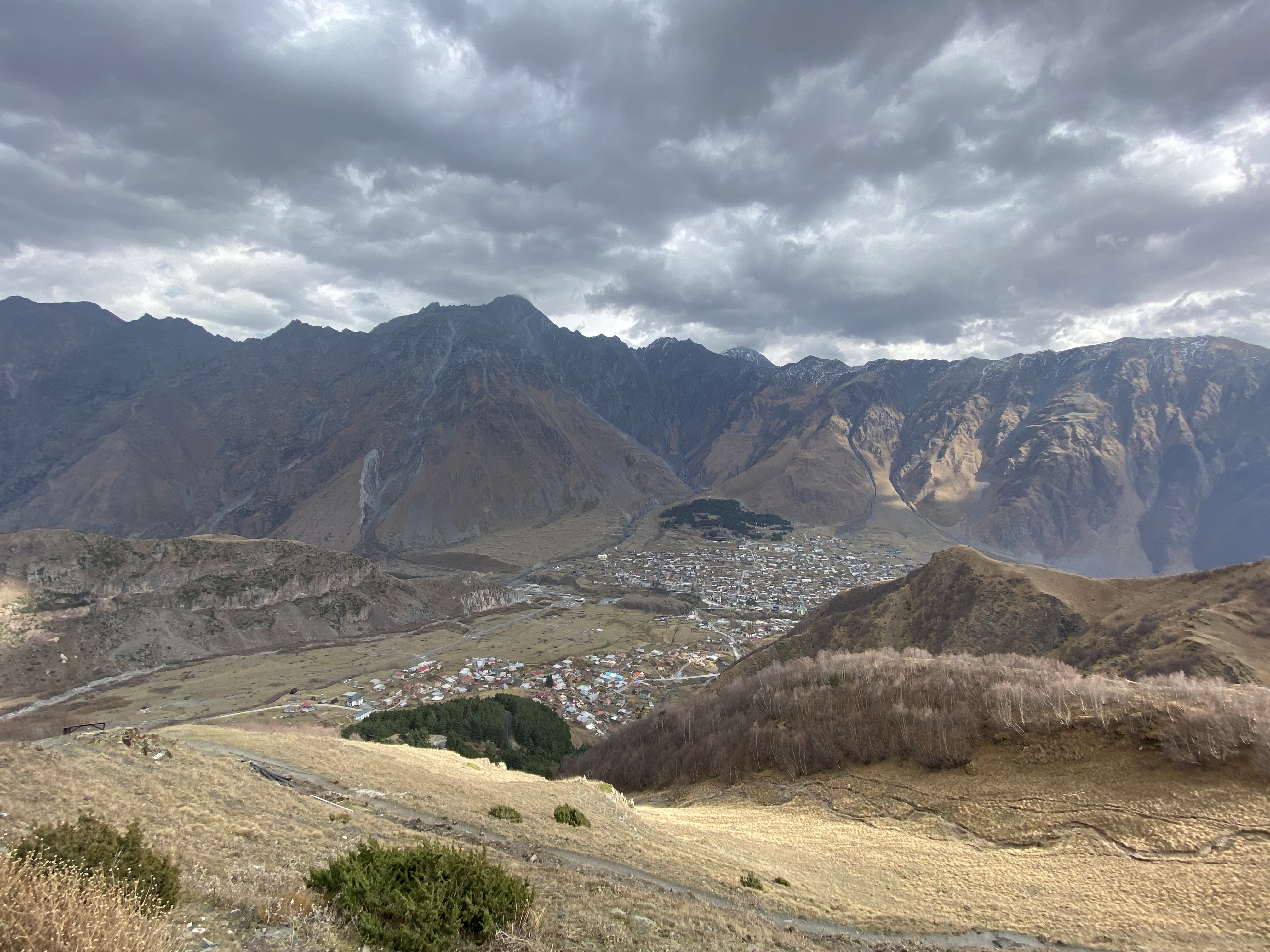
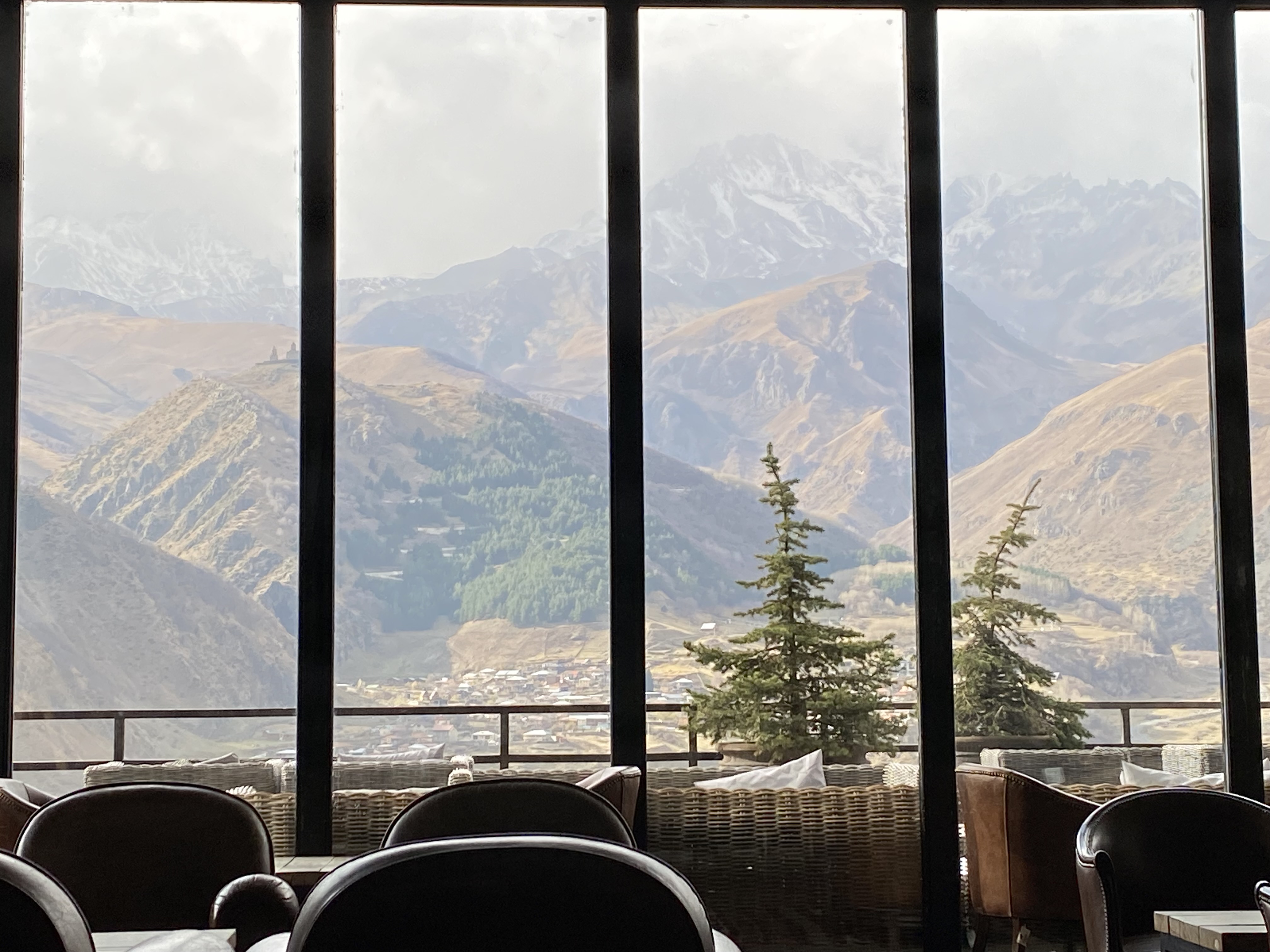
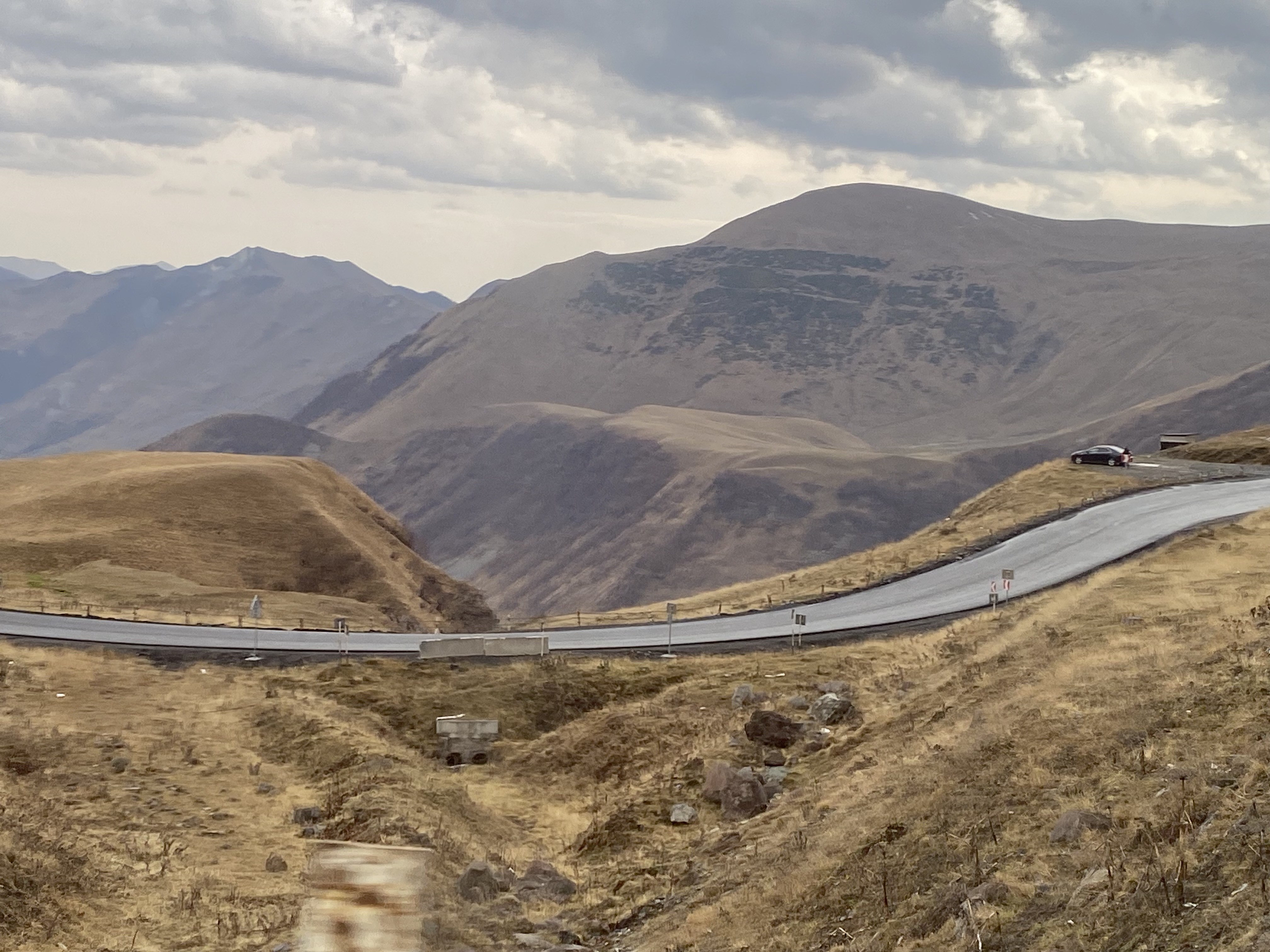
And that’s just Tbilisi. We also took a day-long road trip out to the mountains of Kazbegi. Our driver, Karlo, provided local color and insights as he careened along the mountain roads. The landscape was stunning, with its stark beauty reminding me at times of rural Scotland. (Which is a high compliment from me.) We stopped first at the Jinvali water reservoir, a dam built by the Soviets in the 1980s, with a mirror-like green surface tucked amongst forested hills. Next, we gawked at the Russia-Georgia Friendship Monument, built in 1983, a massive semi-circular edifice overlooking a cliff which features bold Soviet-style murals depicting Georgian and Russian history.
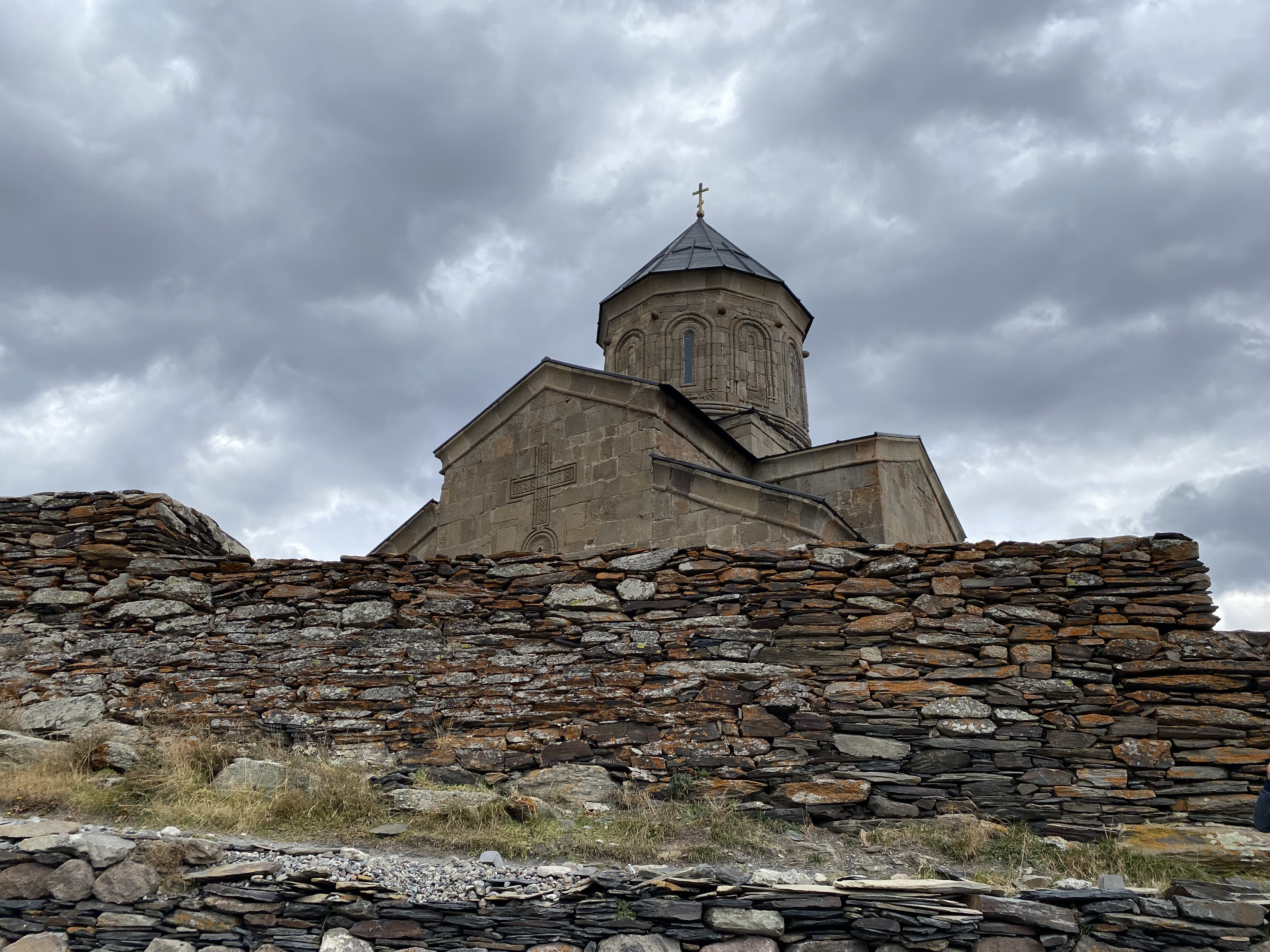
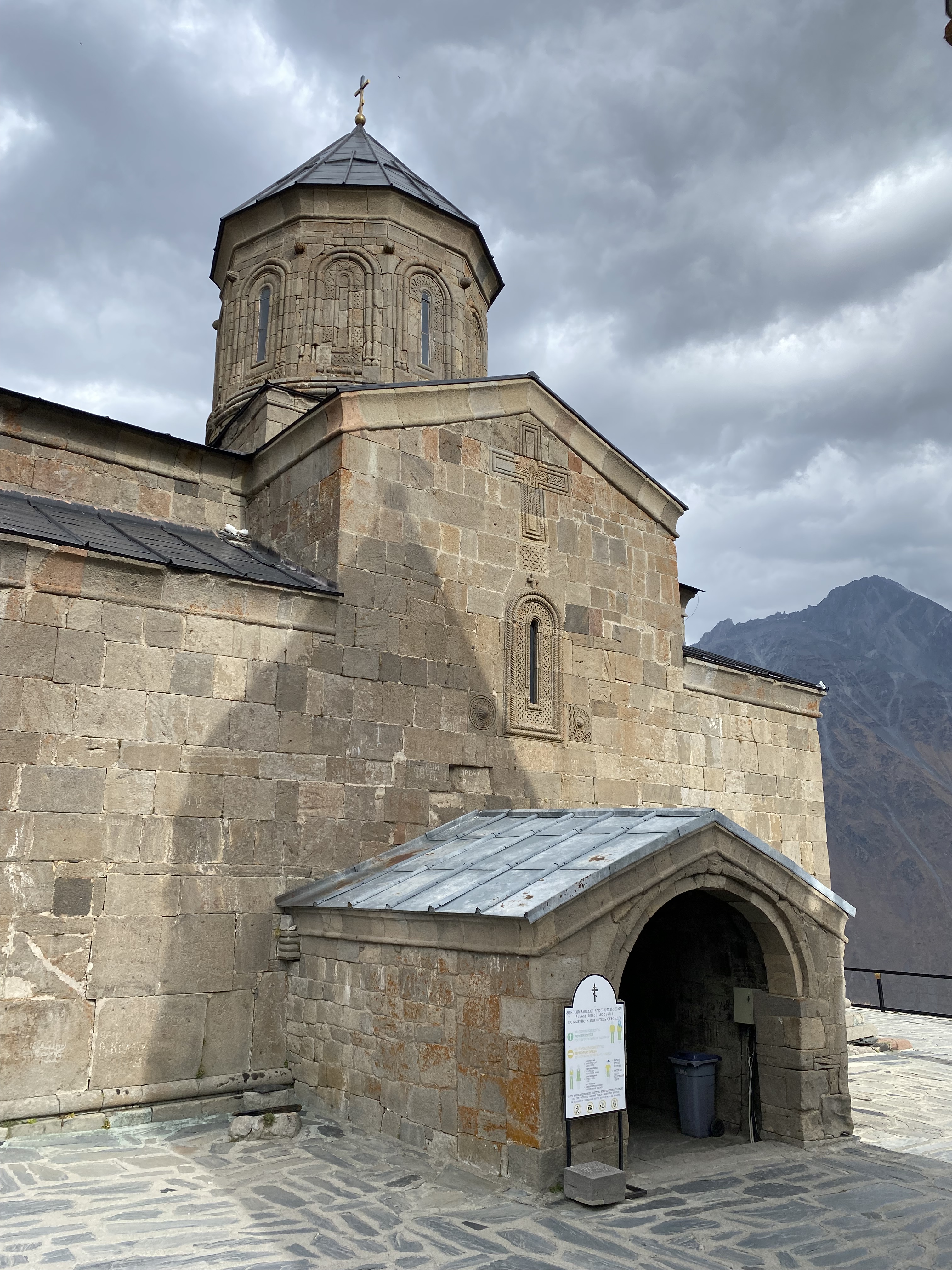
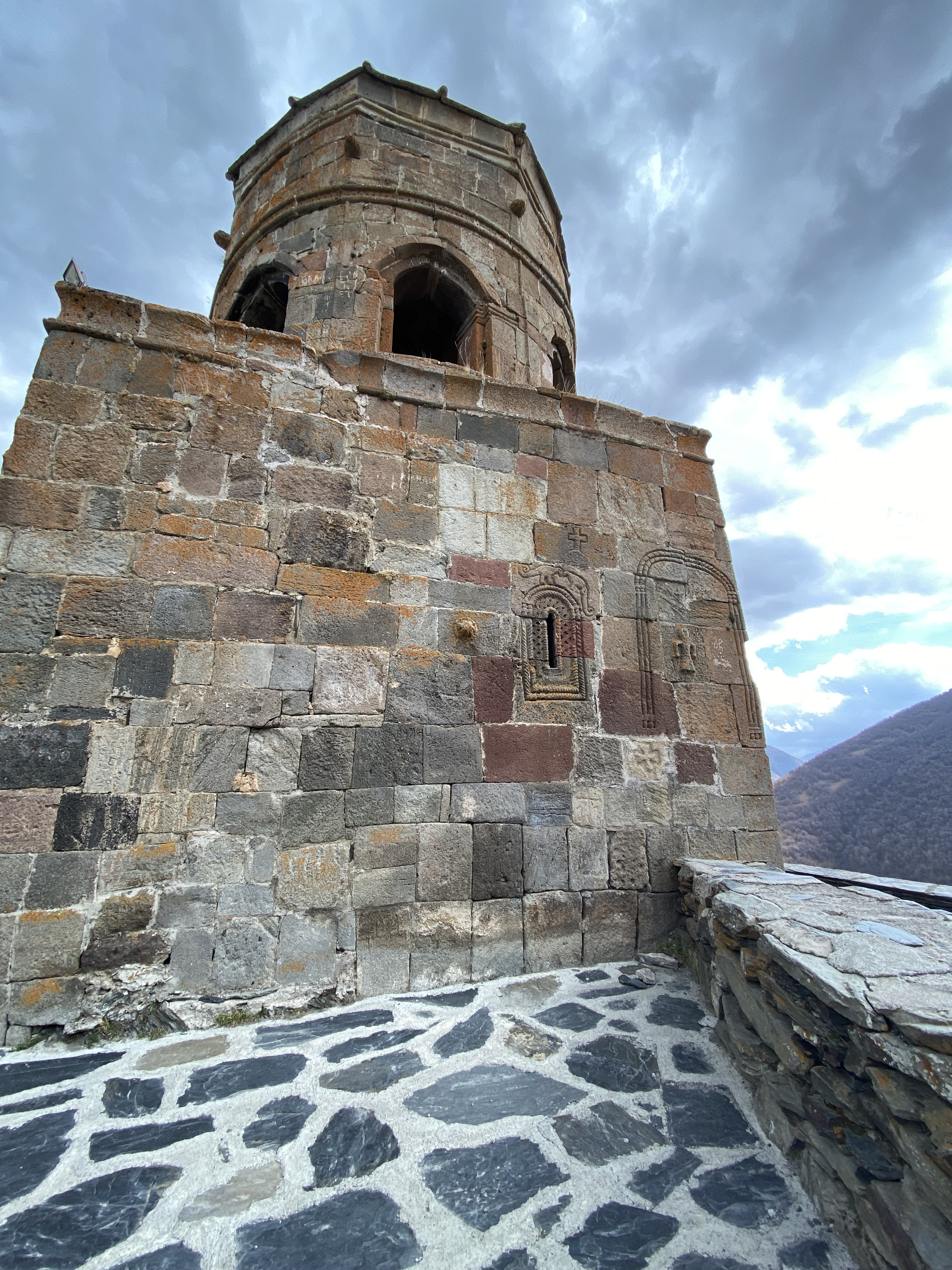
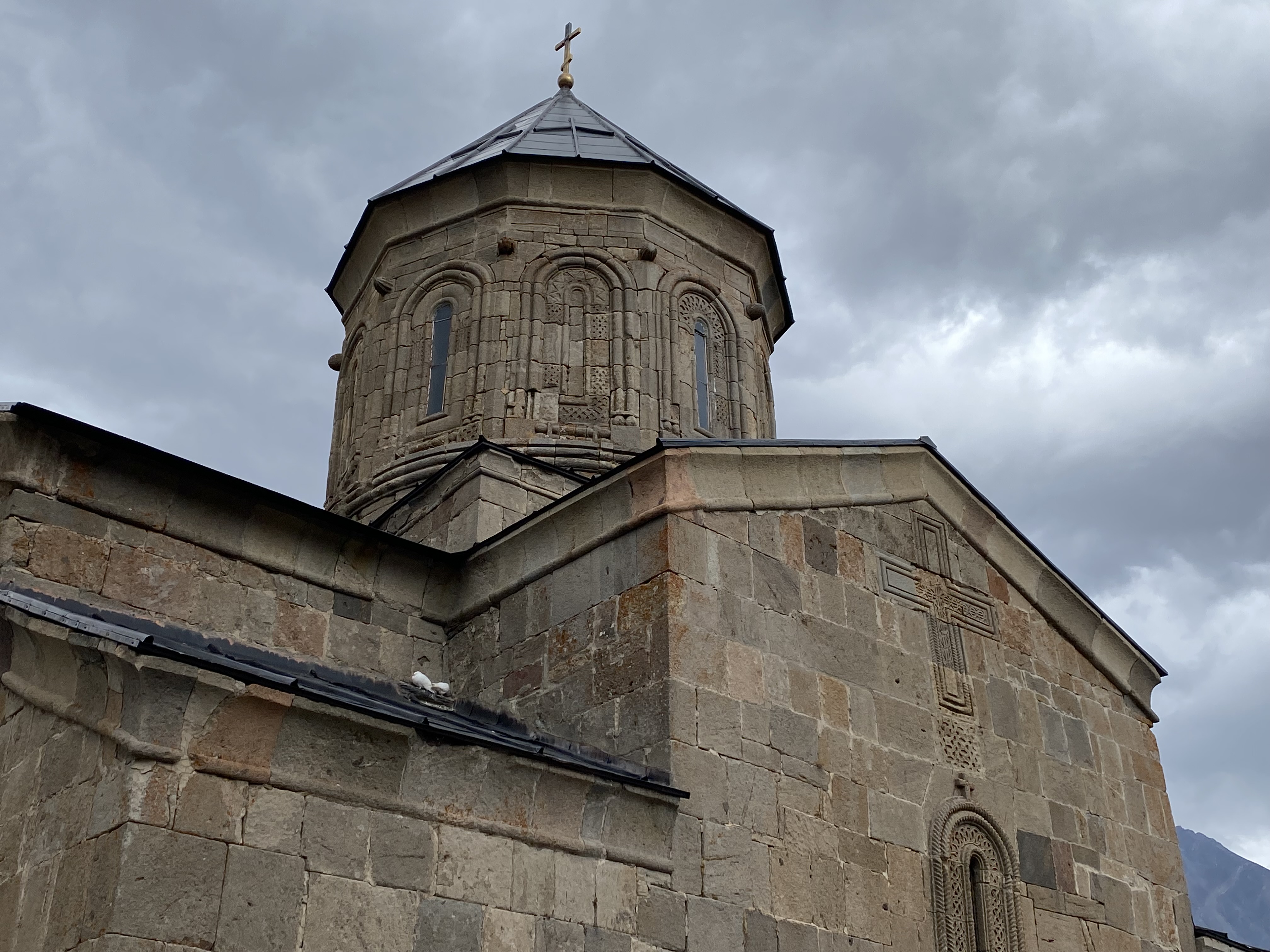
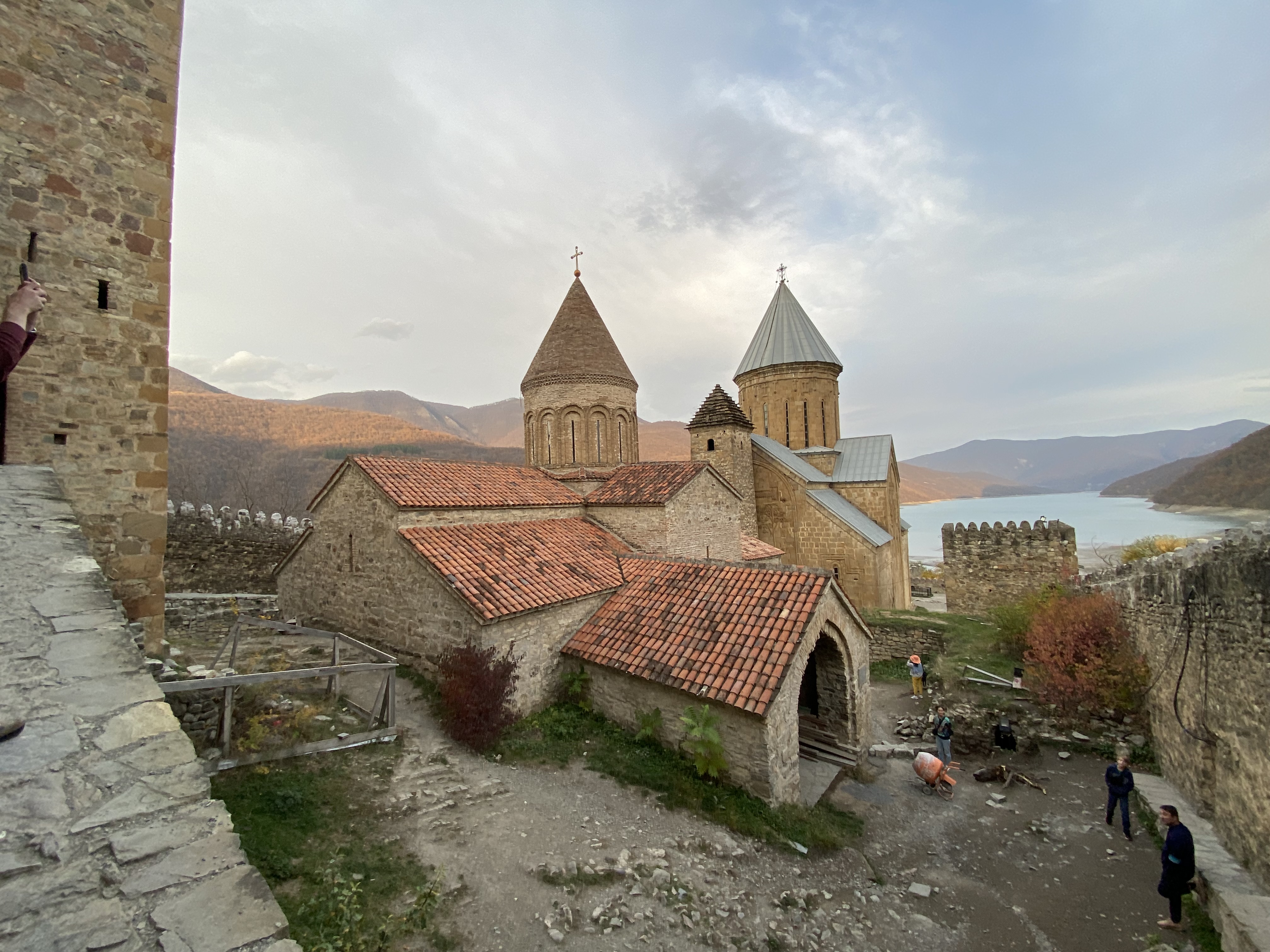
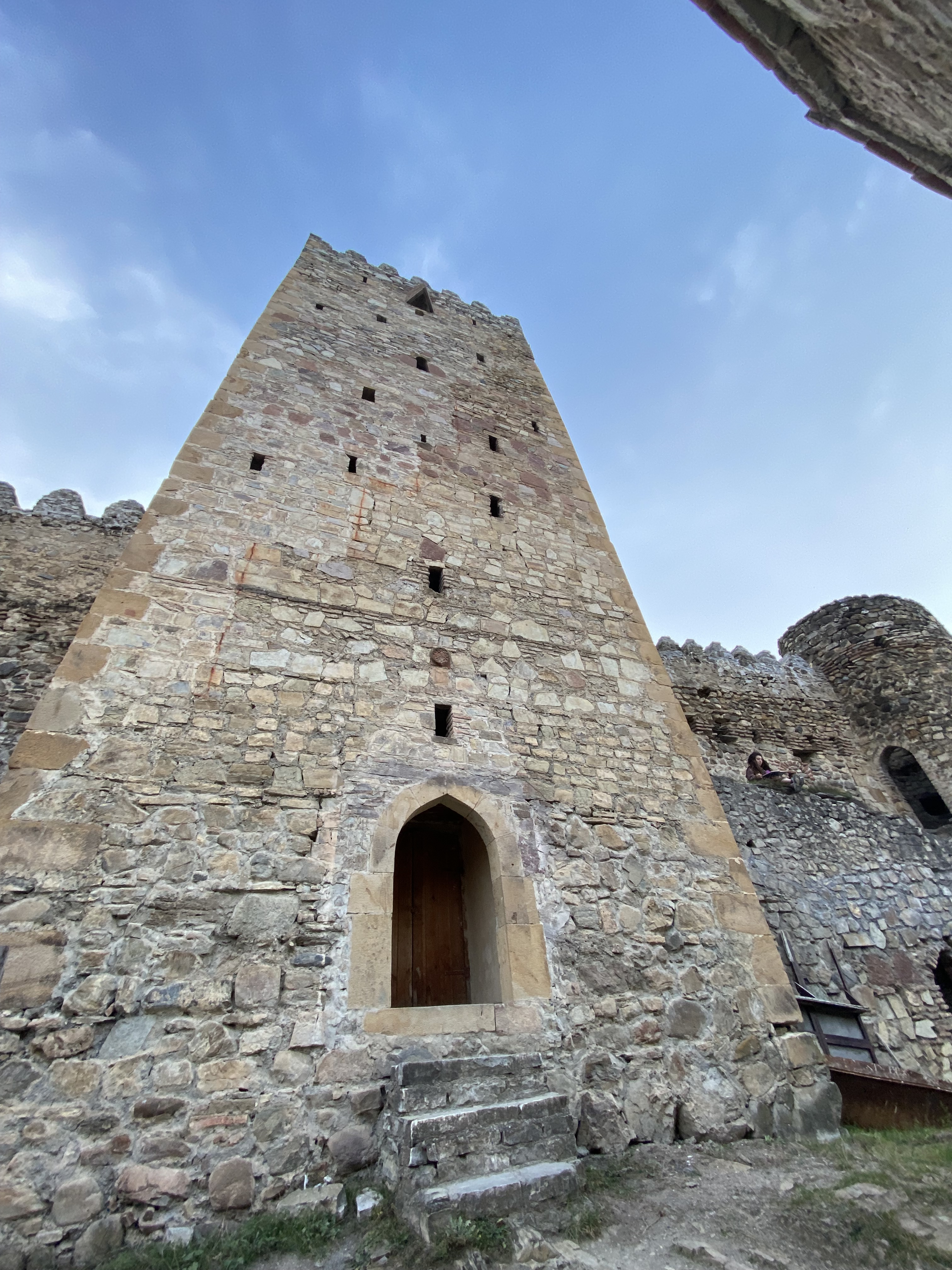
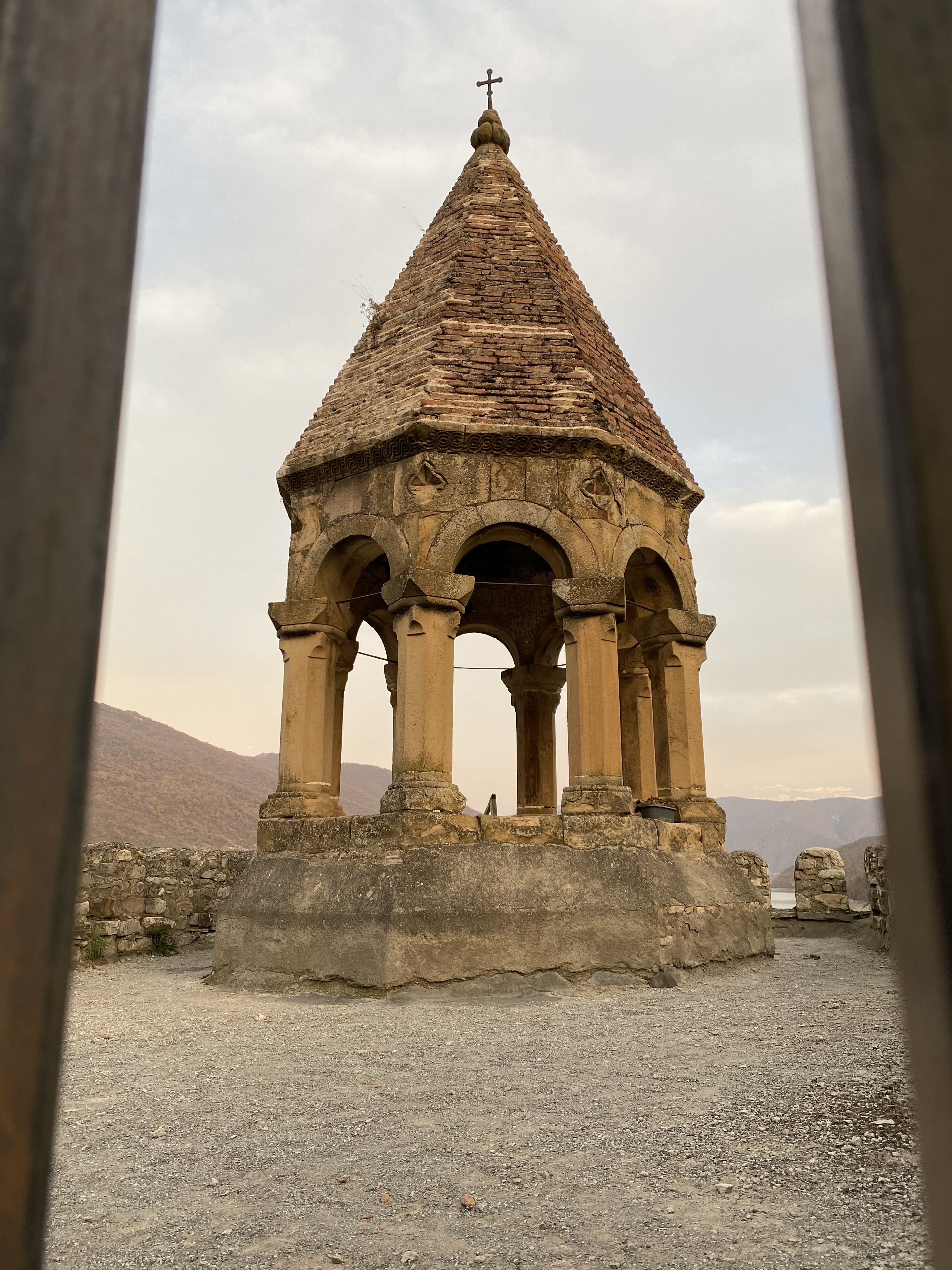
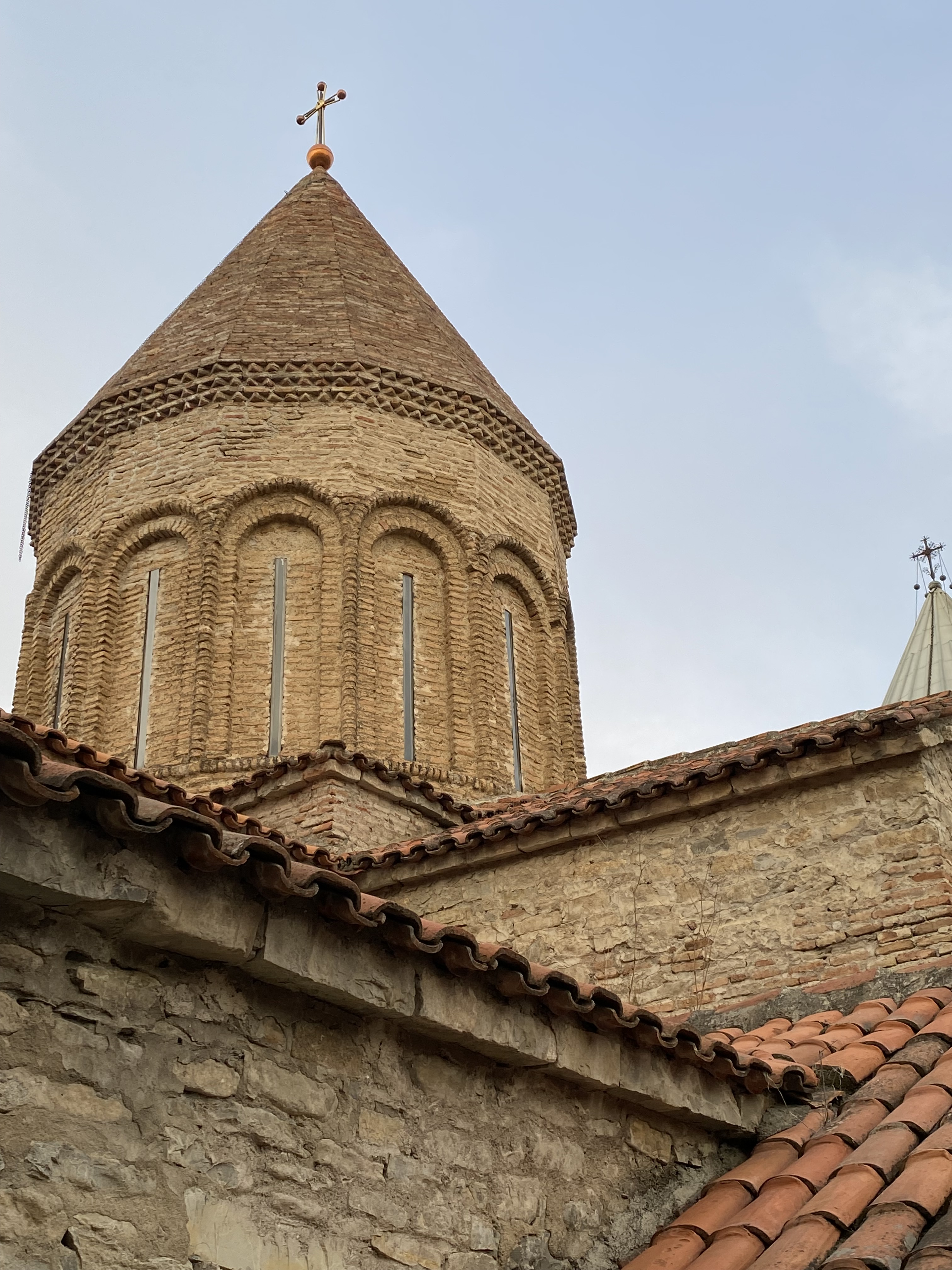
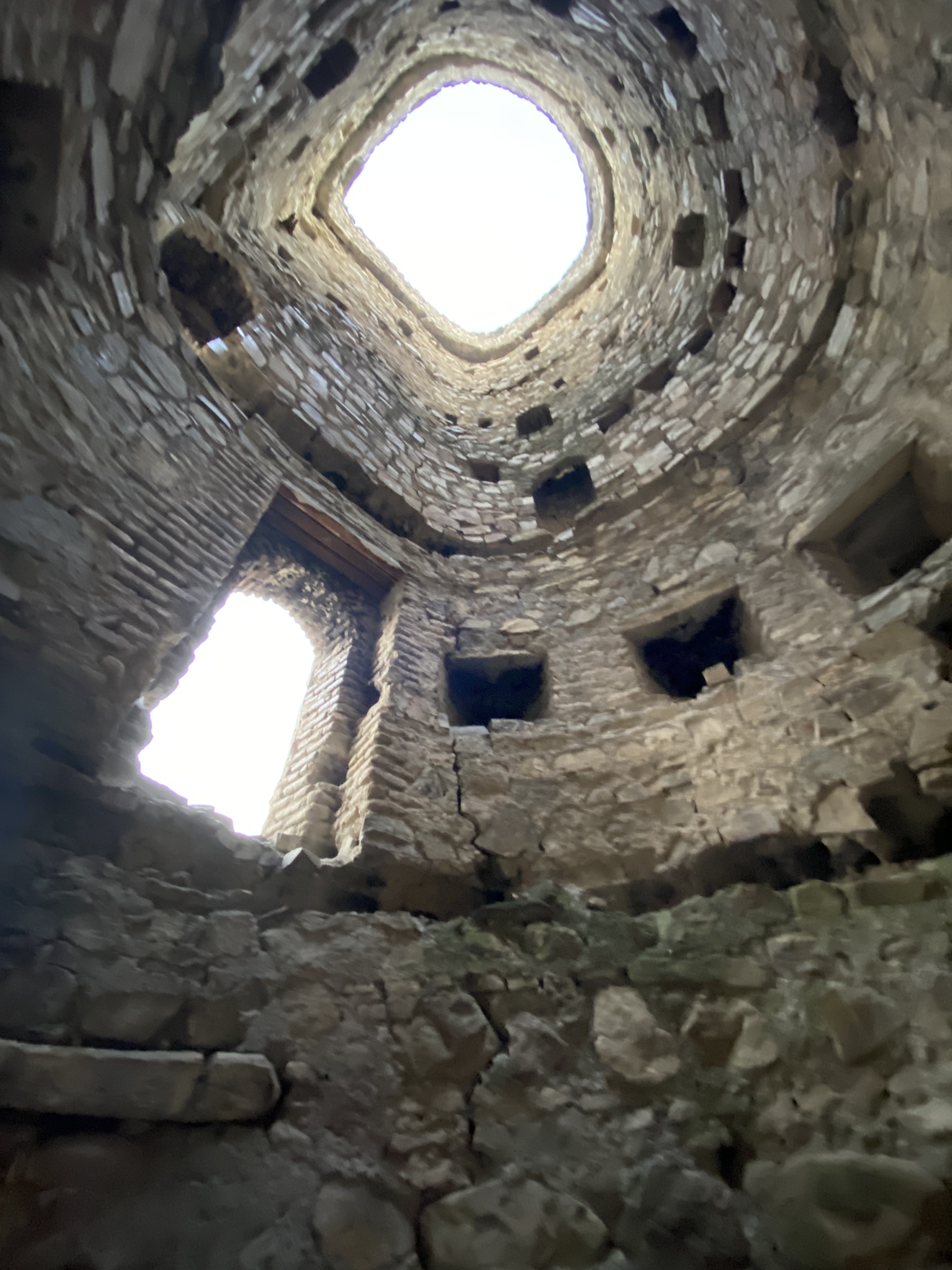
A highlight of the day was walking up to the remote Gergeti Trinity Church, a 14th century church perched on a mountain-side. Tourists flock to the site now but during the Soviet-era, no services were held. Now, it’s home again to Georgian Orthodox monks. On the way home, after getting stuck in mountain traffic with Russian semi-trucks, Karlo stopped at the Ananuri fortress, where we avoided the morning crowds and instead watched the sunset over the site, which has been a ducal stronghold since the 14th century. Much of the site is in picturesque stages of ruin. Wil clambored inside and up the tower for some incredible views; cautious Liam and me stayed on more stable footing.
There’s so much more we could have seen and done while in Georgia but I’m grateful for the sights and experiences we managed during our brief visit. While it is unlikely we will make it back during the time we have left in Kuwait, I suspect another visit to this fascinating cross-roads of a nation is in my future.
Scroll on to view snapshots from our trip.
Old Town:

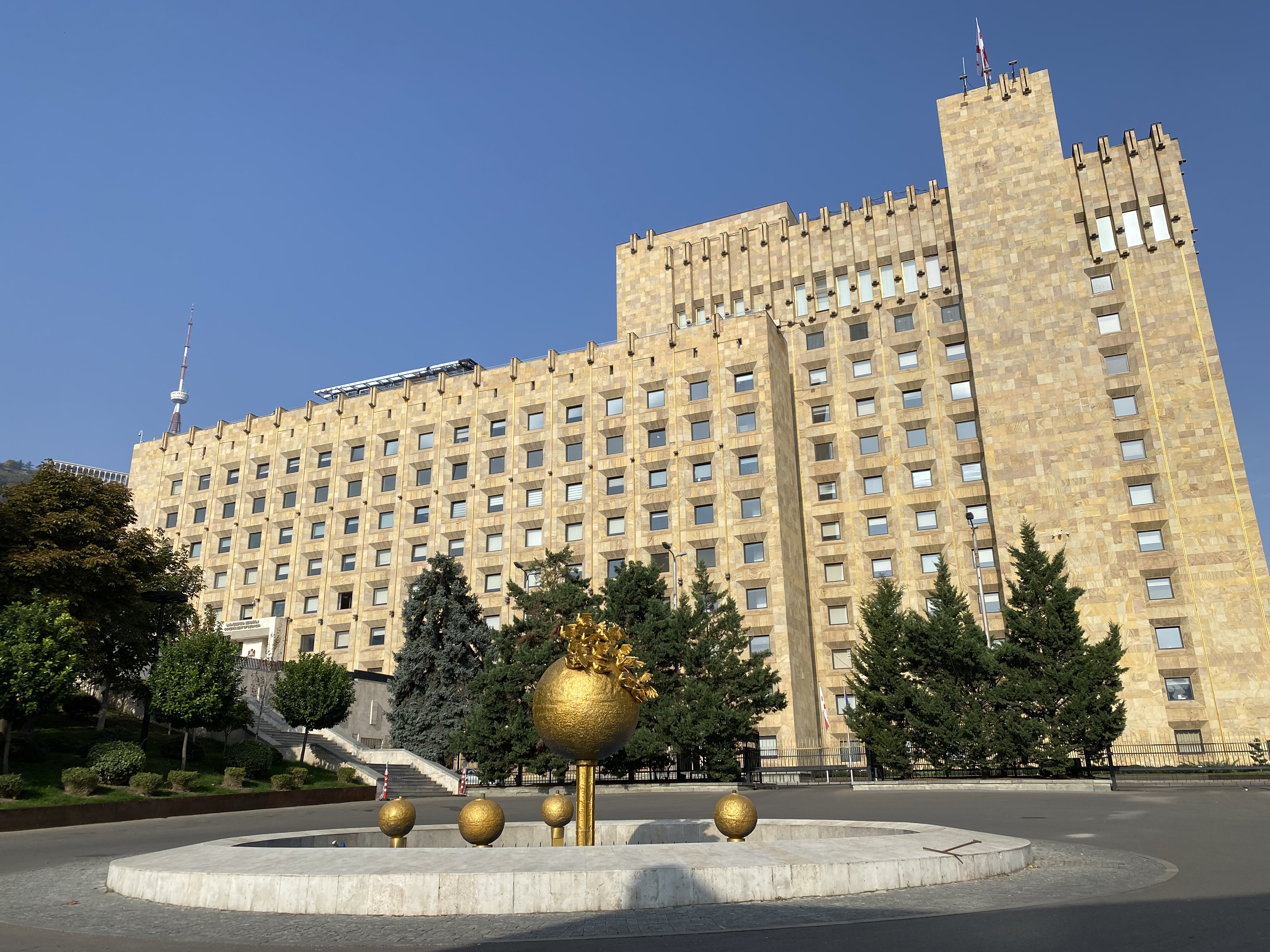
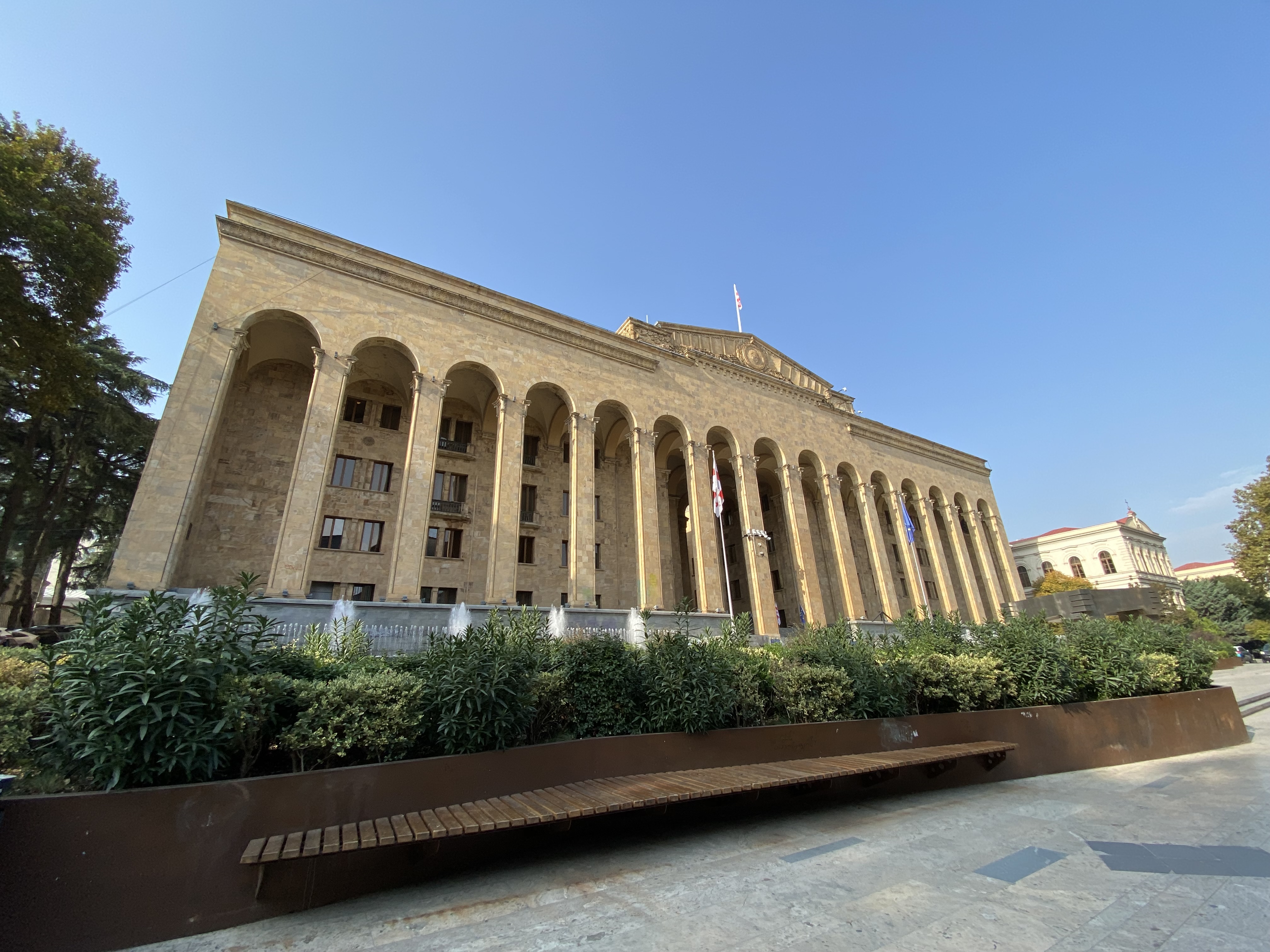
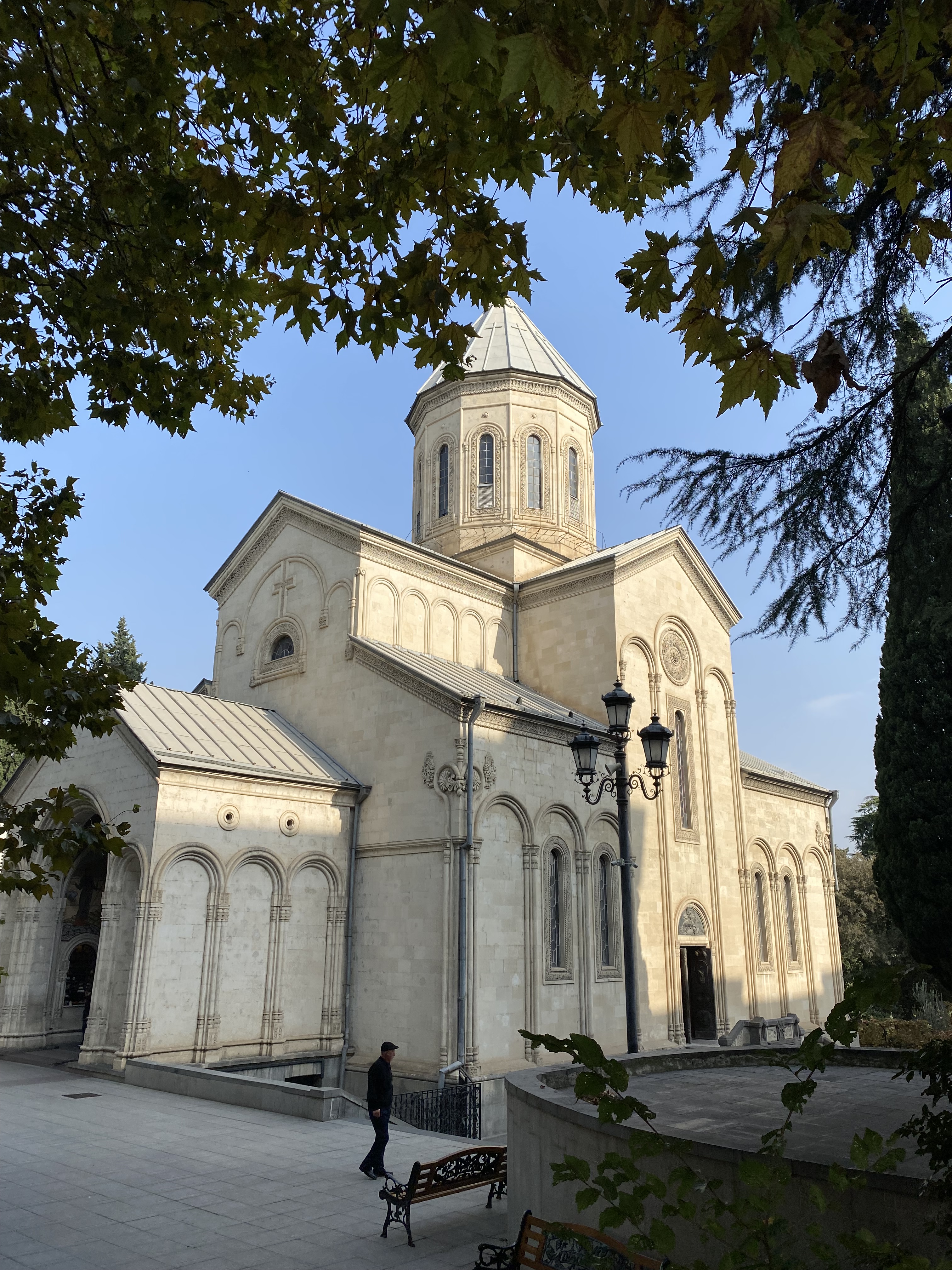
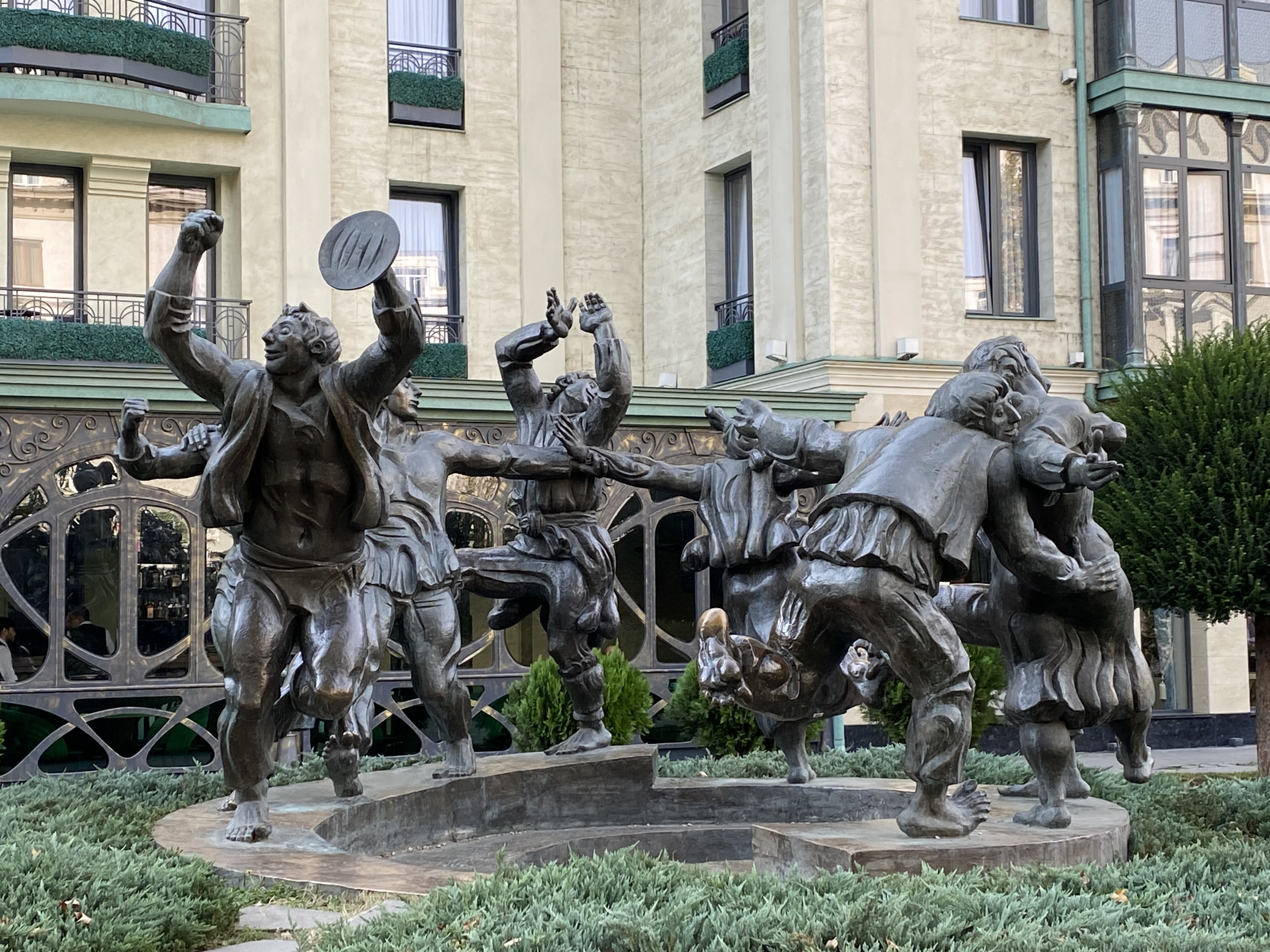
More city images:





Abanotubani sulfur baths:
6th century Anchiskhati Basilica of St Mary:
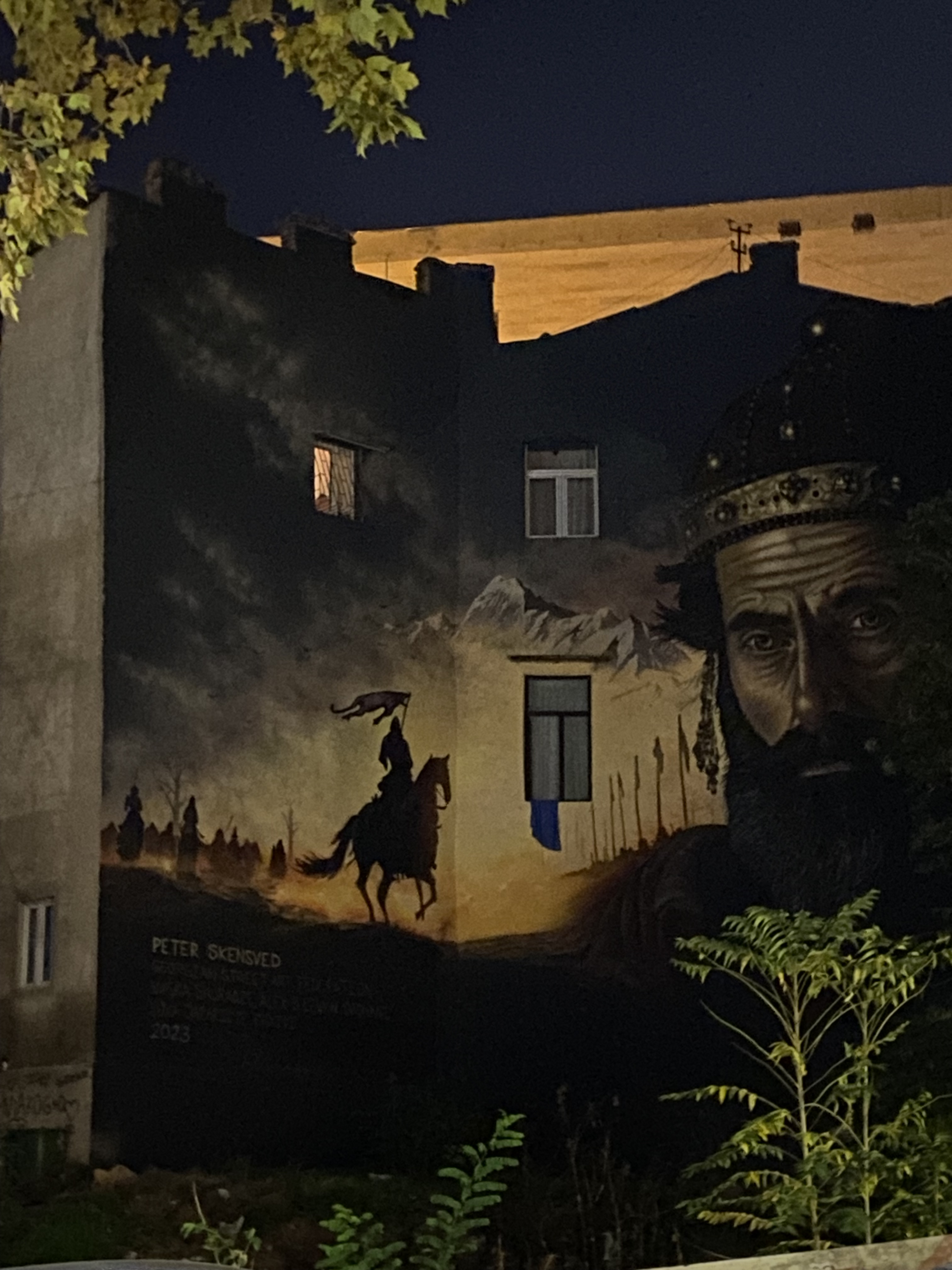
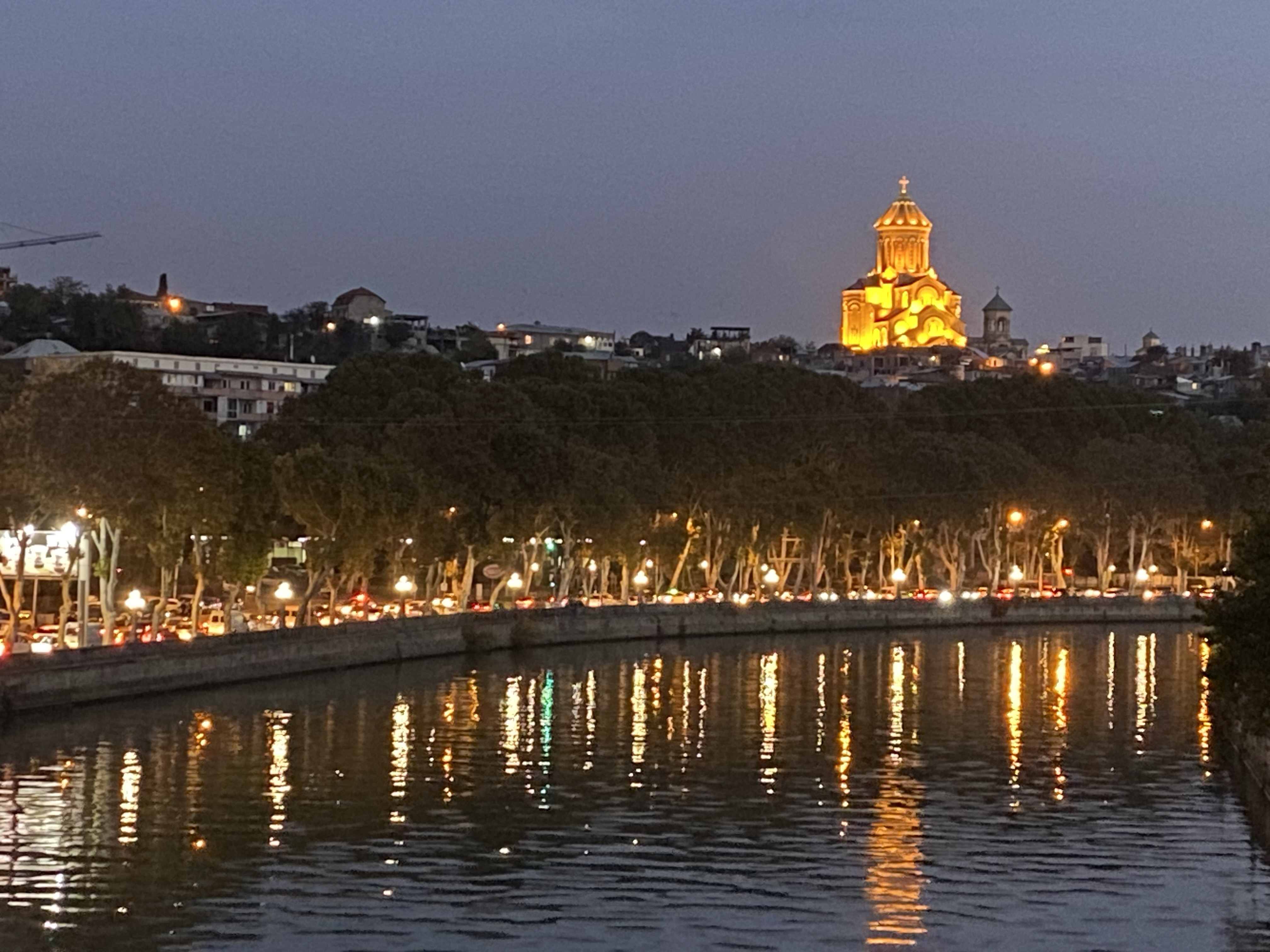
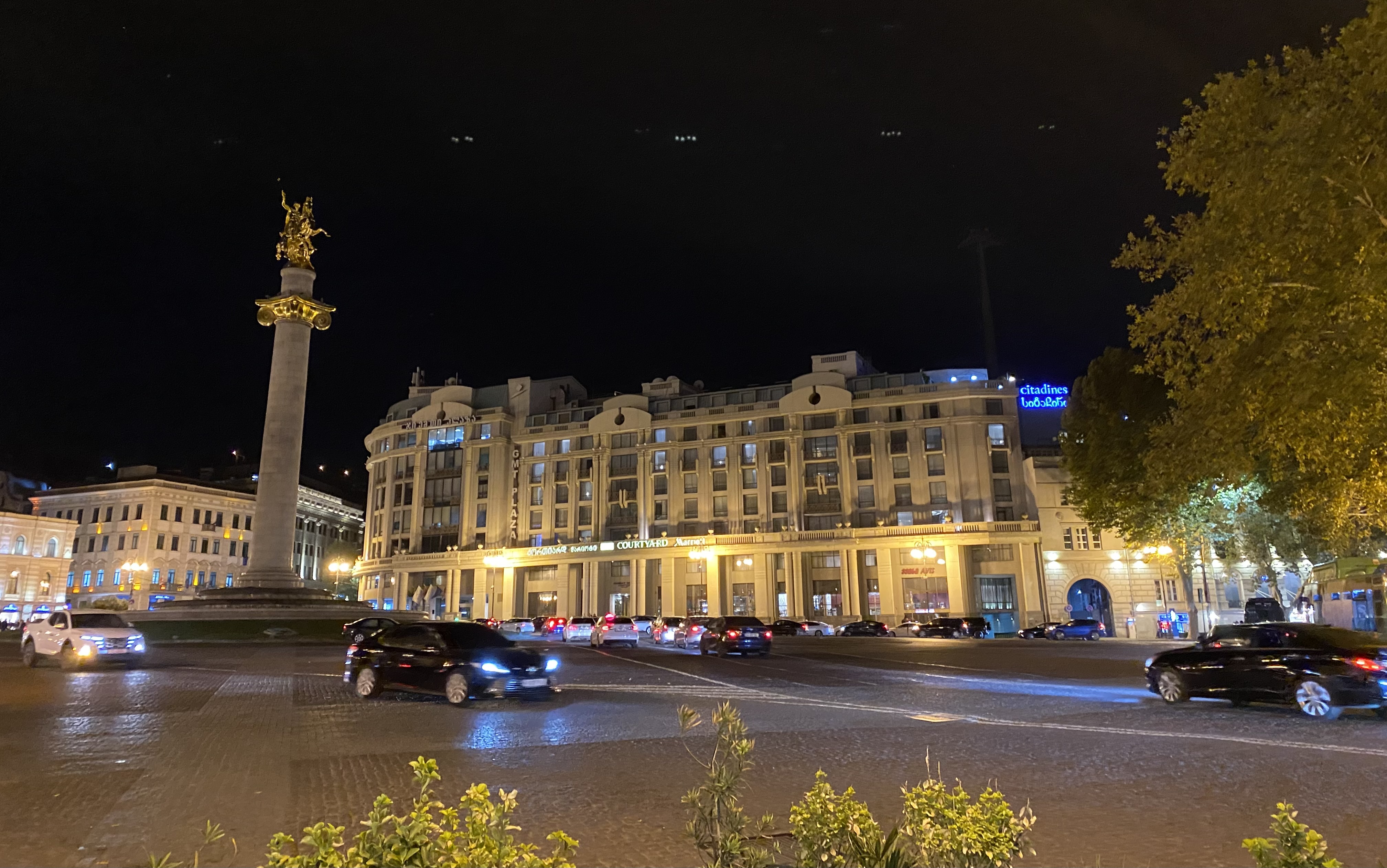
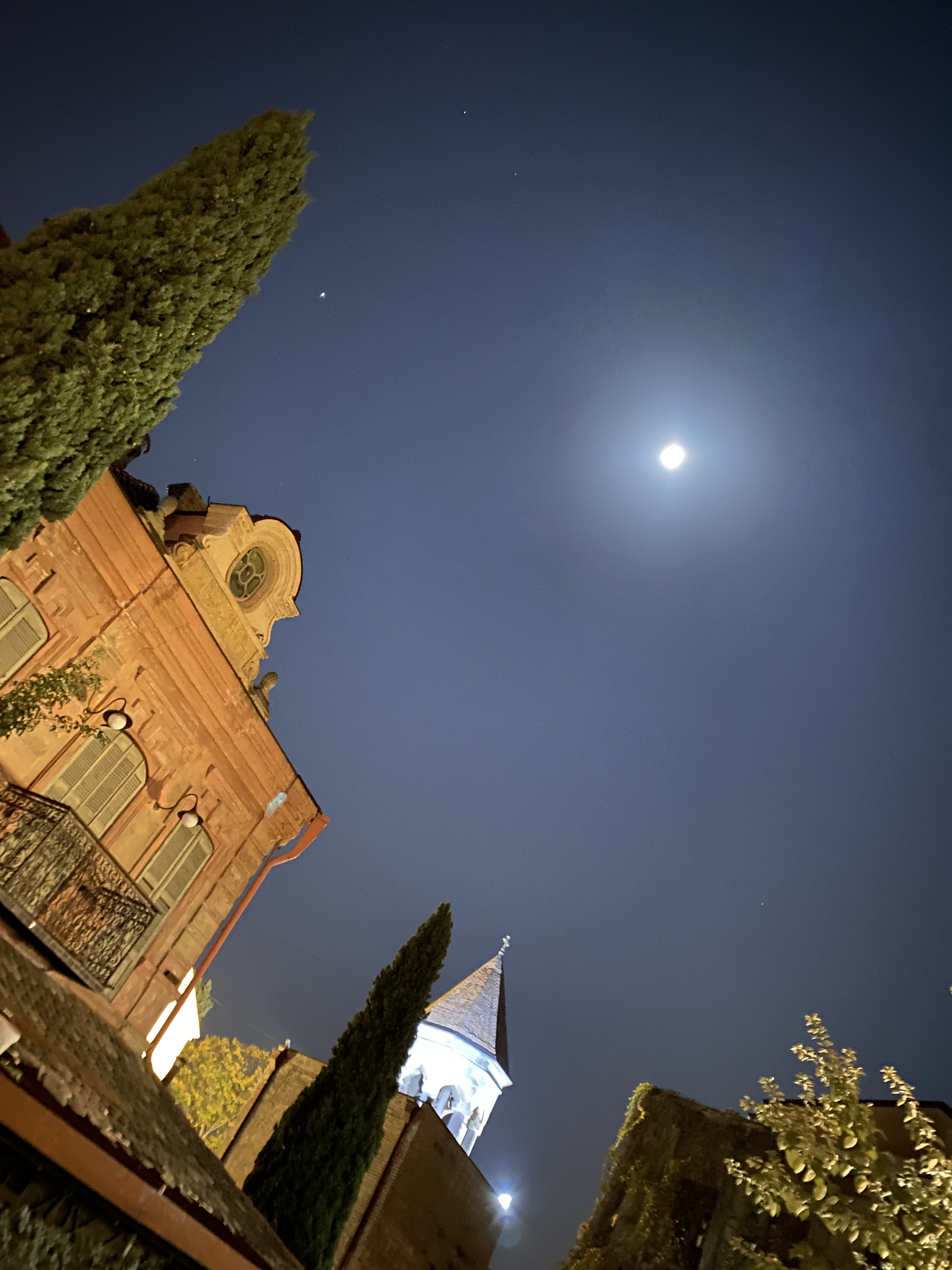
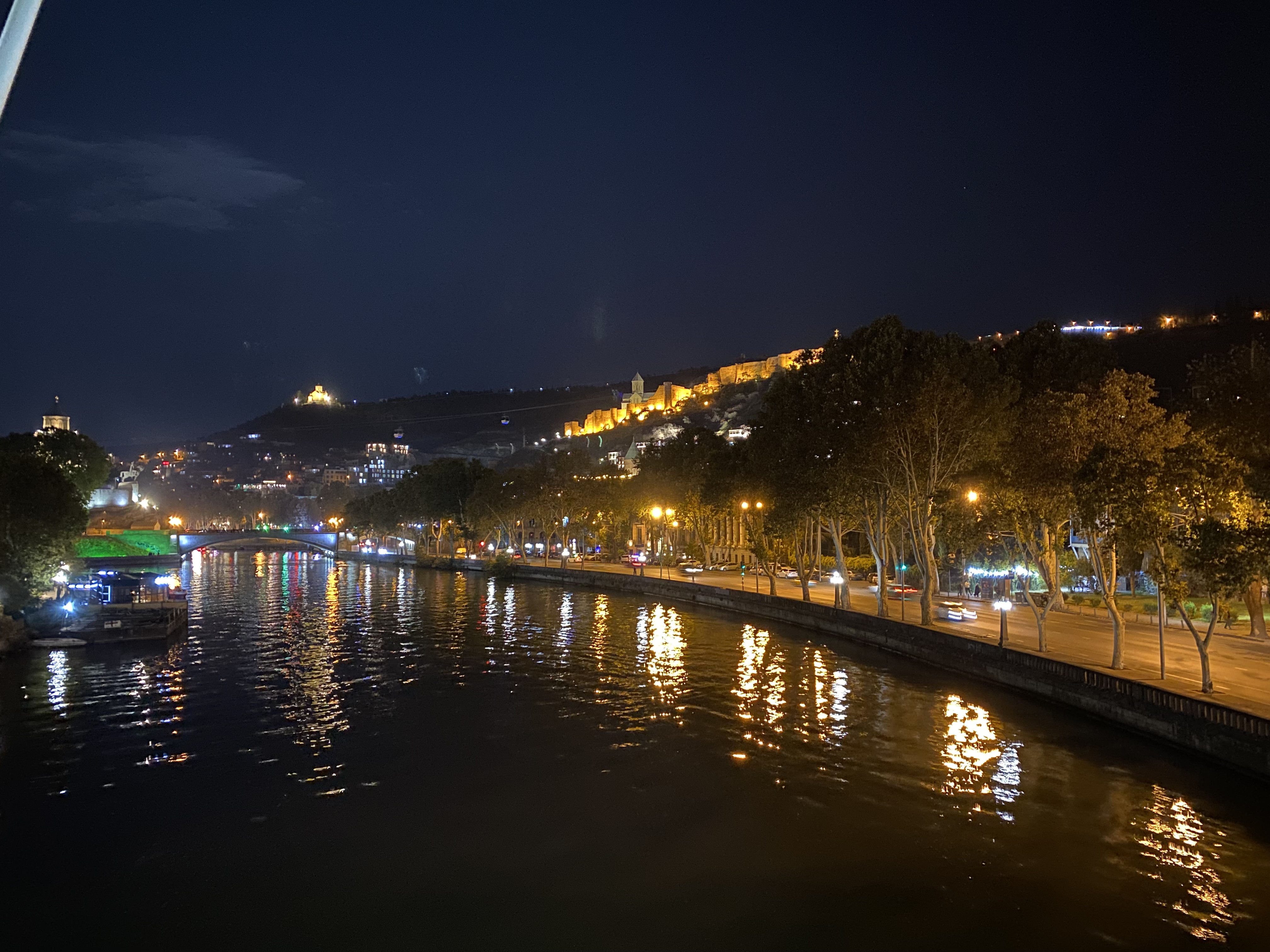
Tbilisi at night:
Food, glorious food:

Road trip to Kazbegi
Russia-Georgia Friendship Monument:

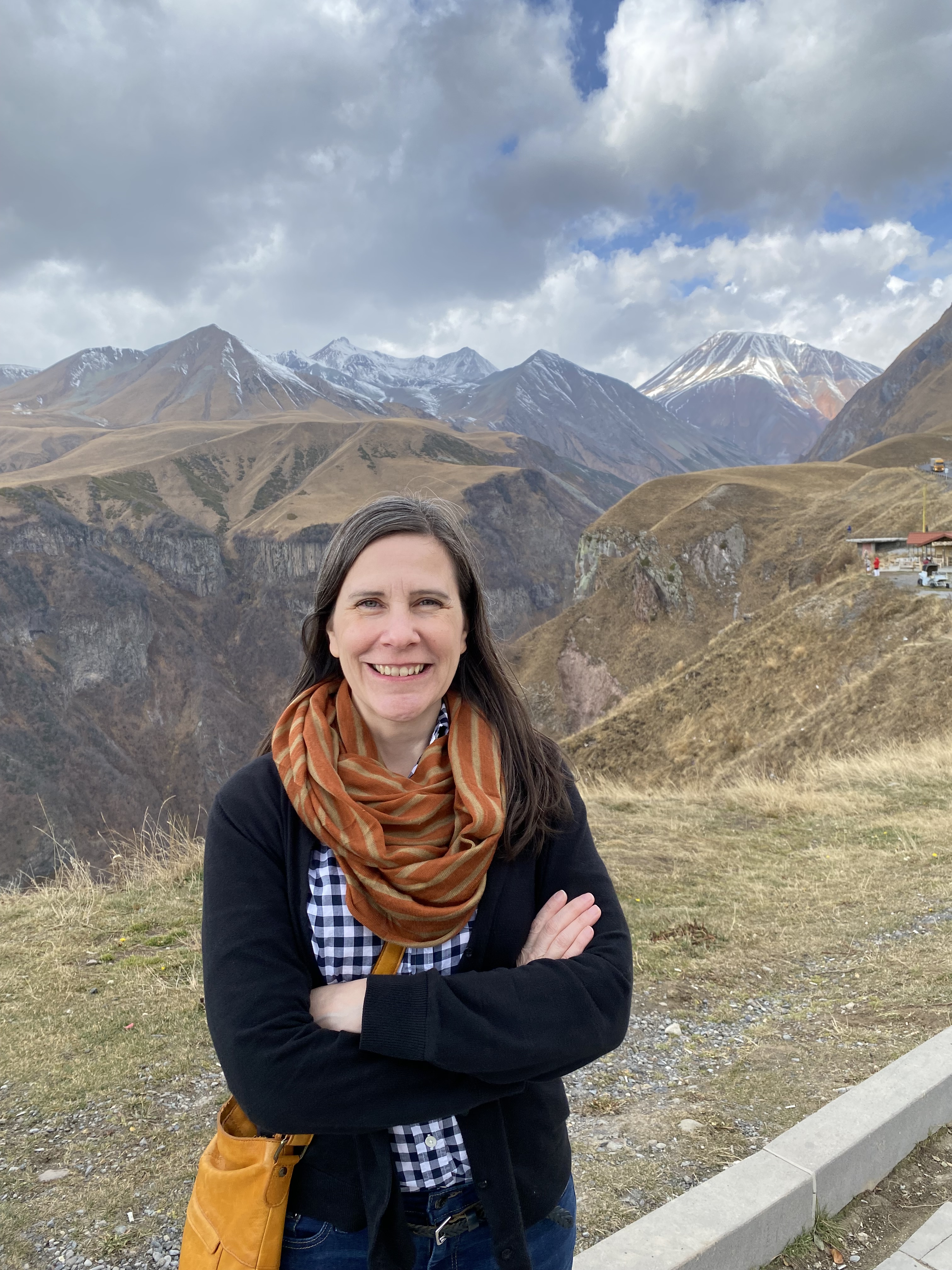
Gergeti Trinity Church:
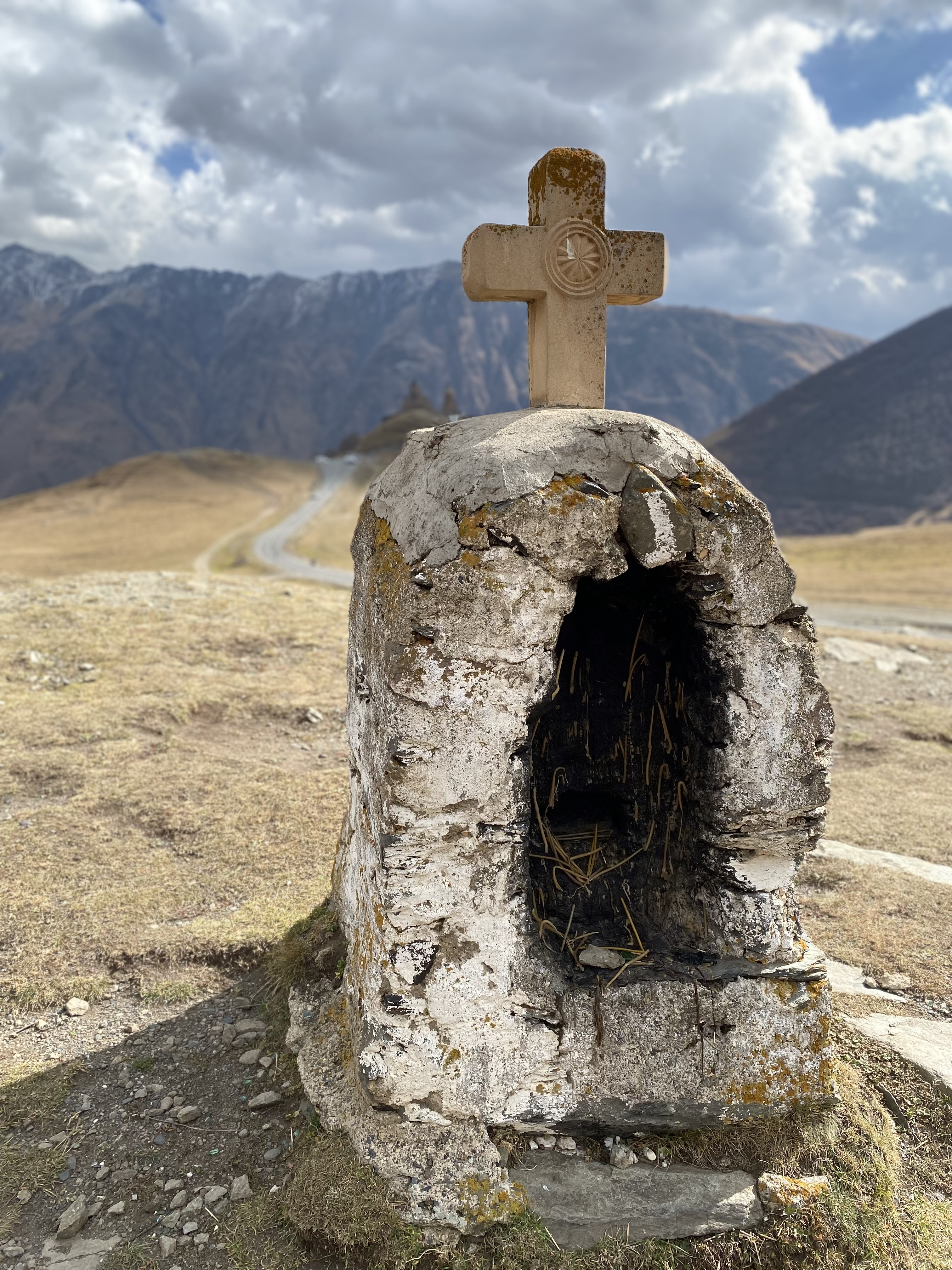

Along the way:
Ananuri fortress:

 susan dalzell
You must be logged in to post a comment.