One thing about being a tourist is that, even when you try your best, you can still be utterly clueless about things that are deeply meaningful to the people who belong to the country you are visiting.
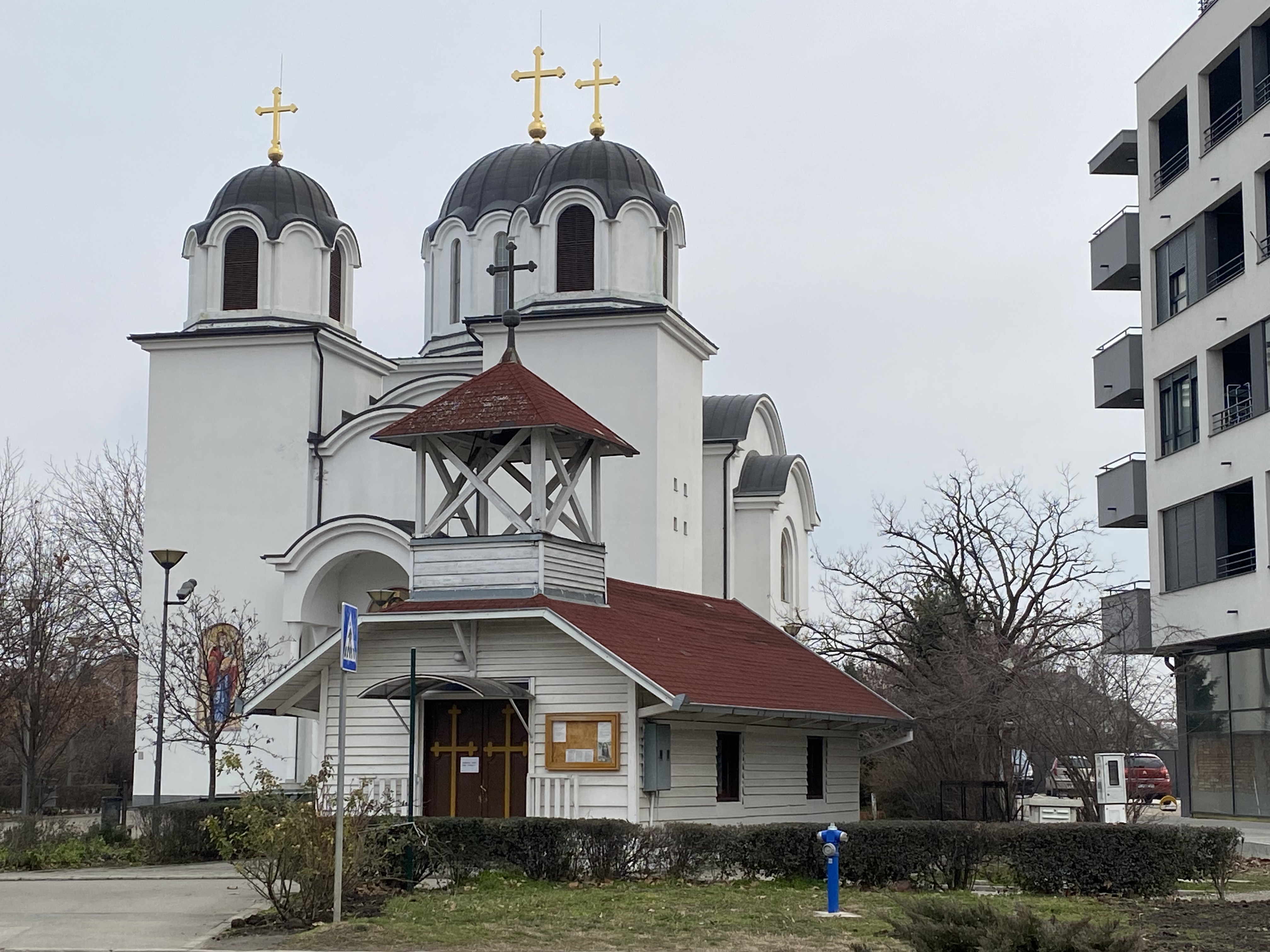
Take our day trip to Novi Sad, Serbia, for one example. I researched train journeys and successfully purchased tickets from Belgrade’s beautiful station on what I thought was the correct train. It was, and it wasn’t. The train terminated at a tiny station in a neighboring community, Petrovaradin, but not the central Novi Sad station we expected. Thanks to Google maps, we were able to figure out where we were and realized we could still walk into the city, albeit from a different direction than we’d planned.
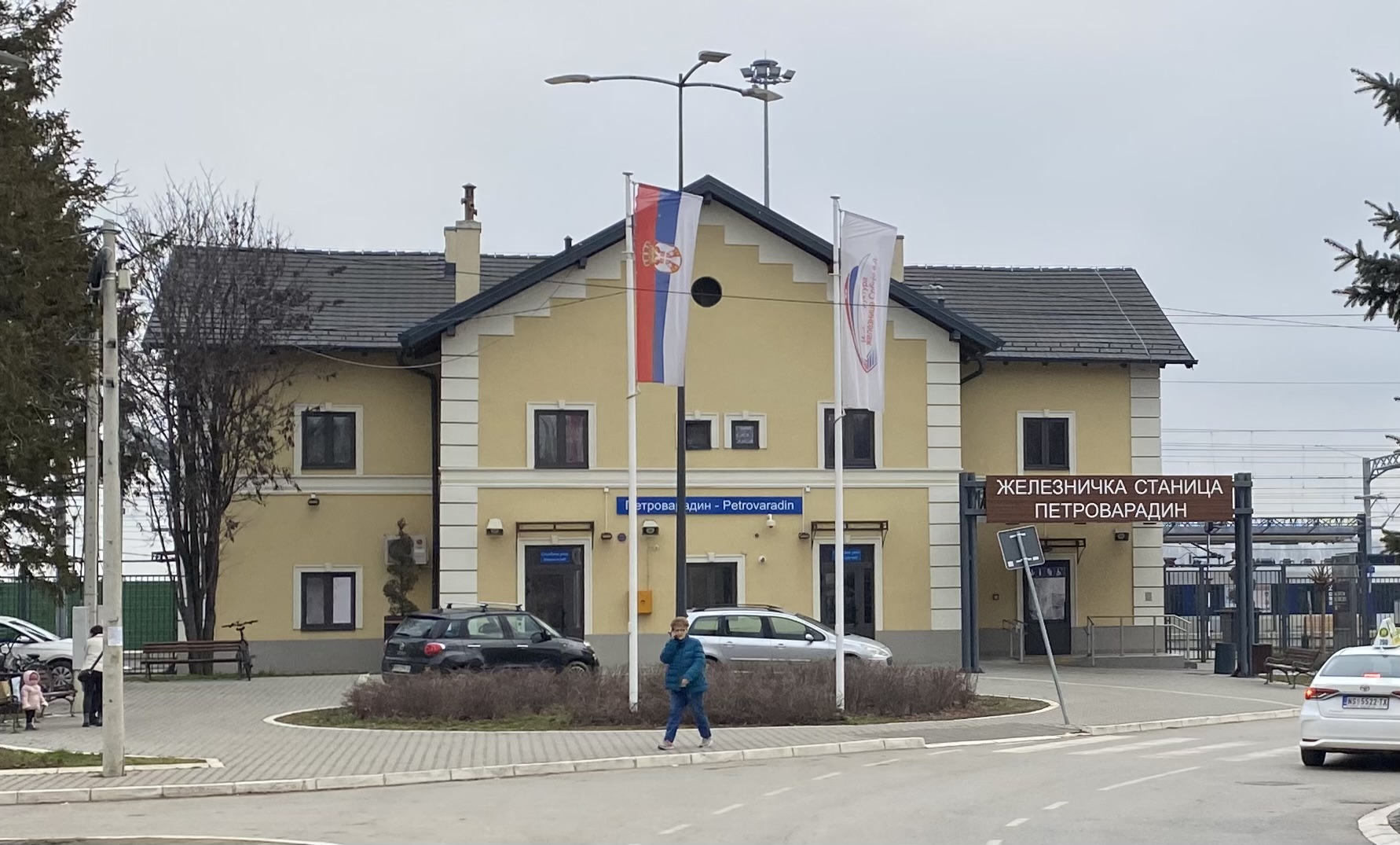
It wasn’t until the very end of our day, when we had walked ourselves all the way out to the Novi Sad station, that we discovered it was entirely shut down although the next door bus station was bustling. After some dithering and trying to determine how best to get ourselves home, we ended up taking taxis back to the Petrovaradin station.
What had we missed? Why was the station closed? On November 1, part of the station’s canopy had collapsed and, tragically, 16 people had died. The incident sparked protests, led by passionate students, who blamed government corruption and neglect for the accident. The students’ actions bore fruit: on January 28, the prime minister of 12 years resigned. Protests, both pro- and anti-government, are continuing to take place throughout the country, seven months later.
Often on this site, I reference long ago conflicts, histories that shaped the places we visit but which feel like they are at arm’s length from the people of today. But as we all know, whether we live in the US or in Serbia, people have a huge stake in what happens to the countries they live in and in who they have entrusted with leading them. That’s as true today as it was in the stories told within history books. As visitors, it’s important to stay humble, learn and listen.
On this particular day, humbleness involved walking a lot of extra miles. While the train incident was inconvenient for us, it also meant we were given insights into Serbian culture that tourists wouldn’t typically be exposed to. It also showed us a part of Novi Sad, Serbia’s second largest city, we wouldn’t have seen otherwise.
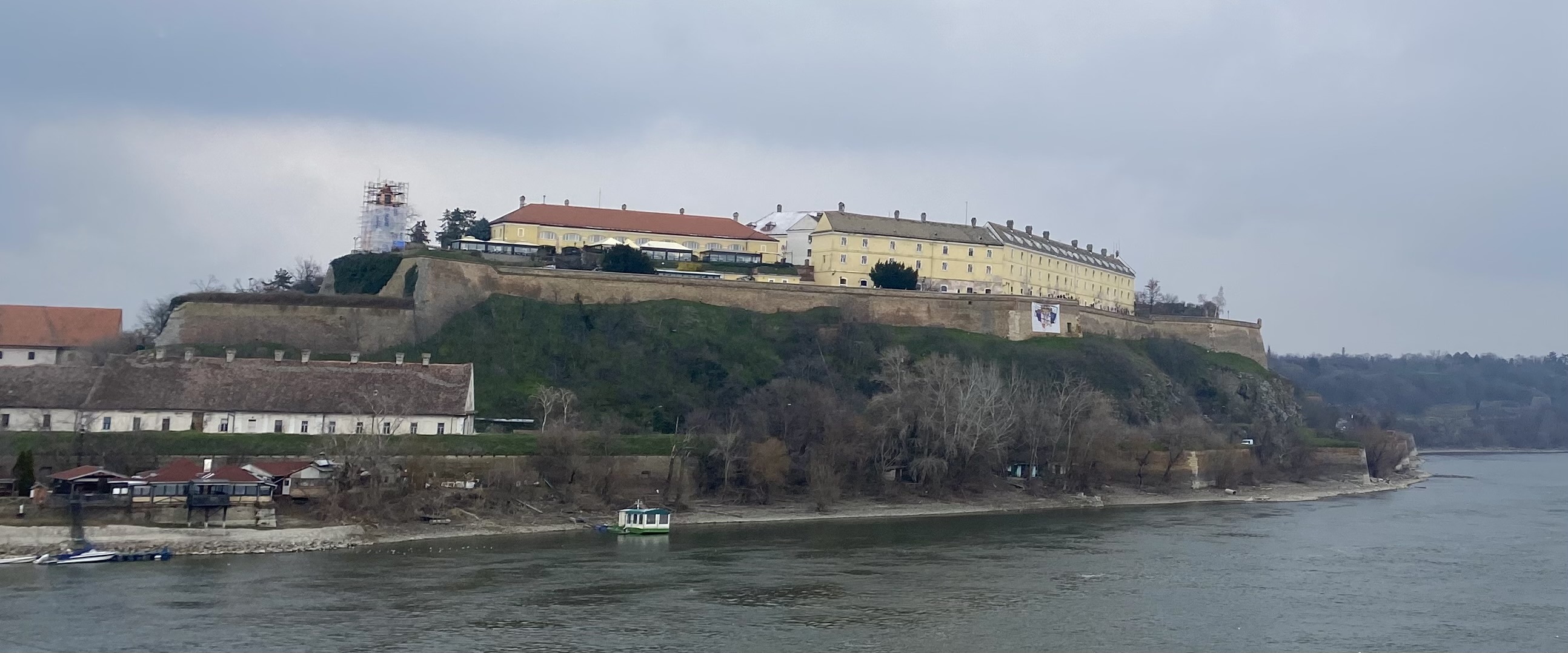
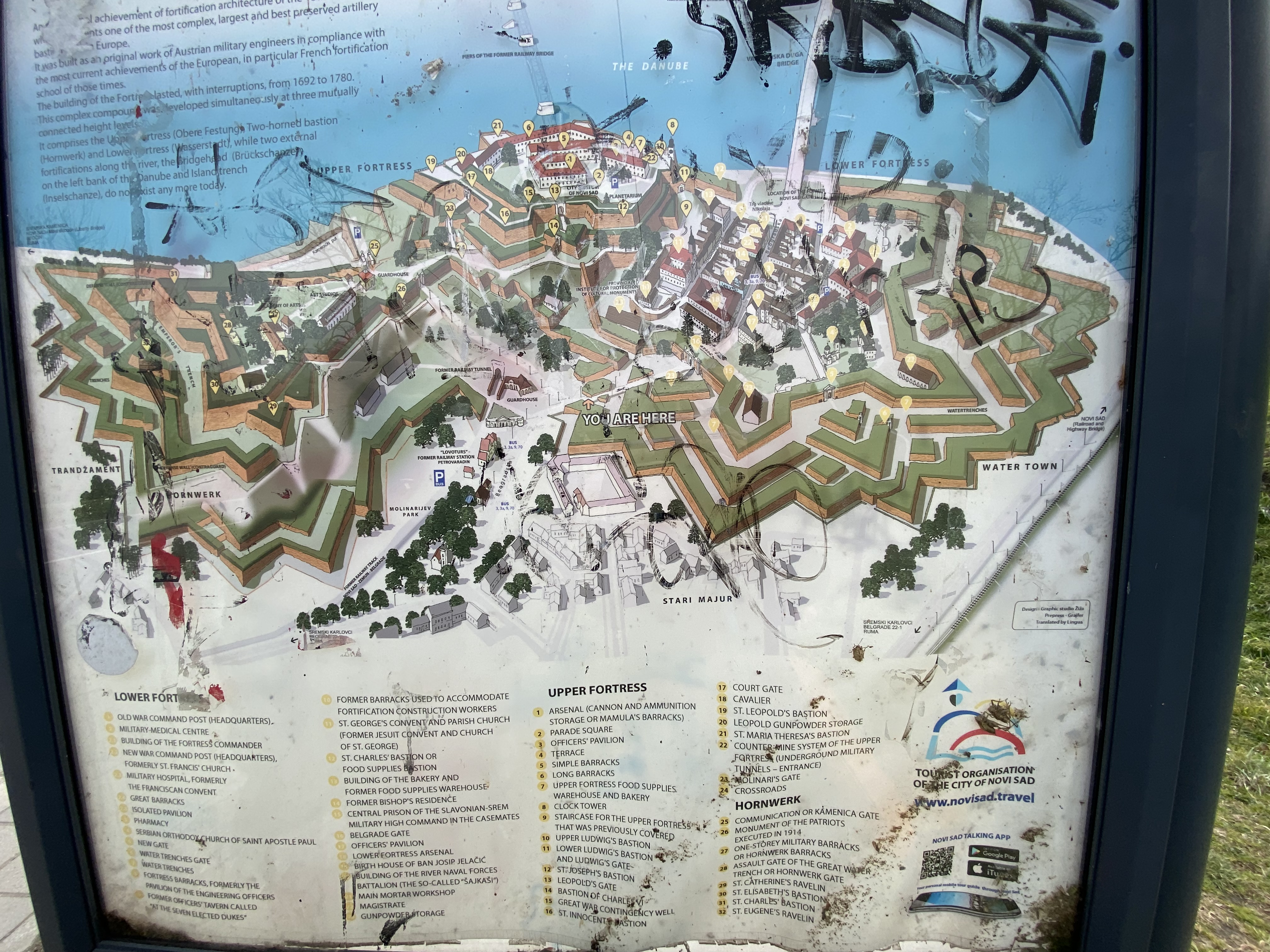
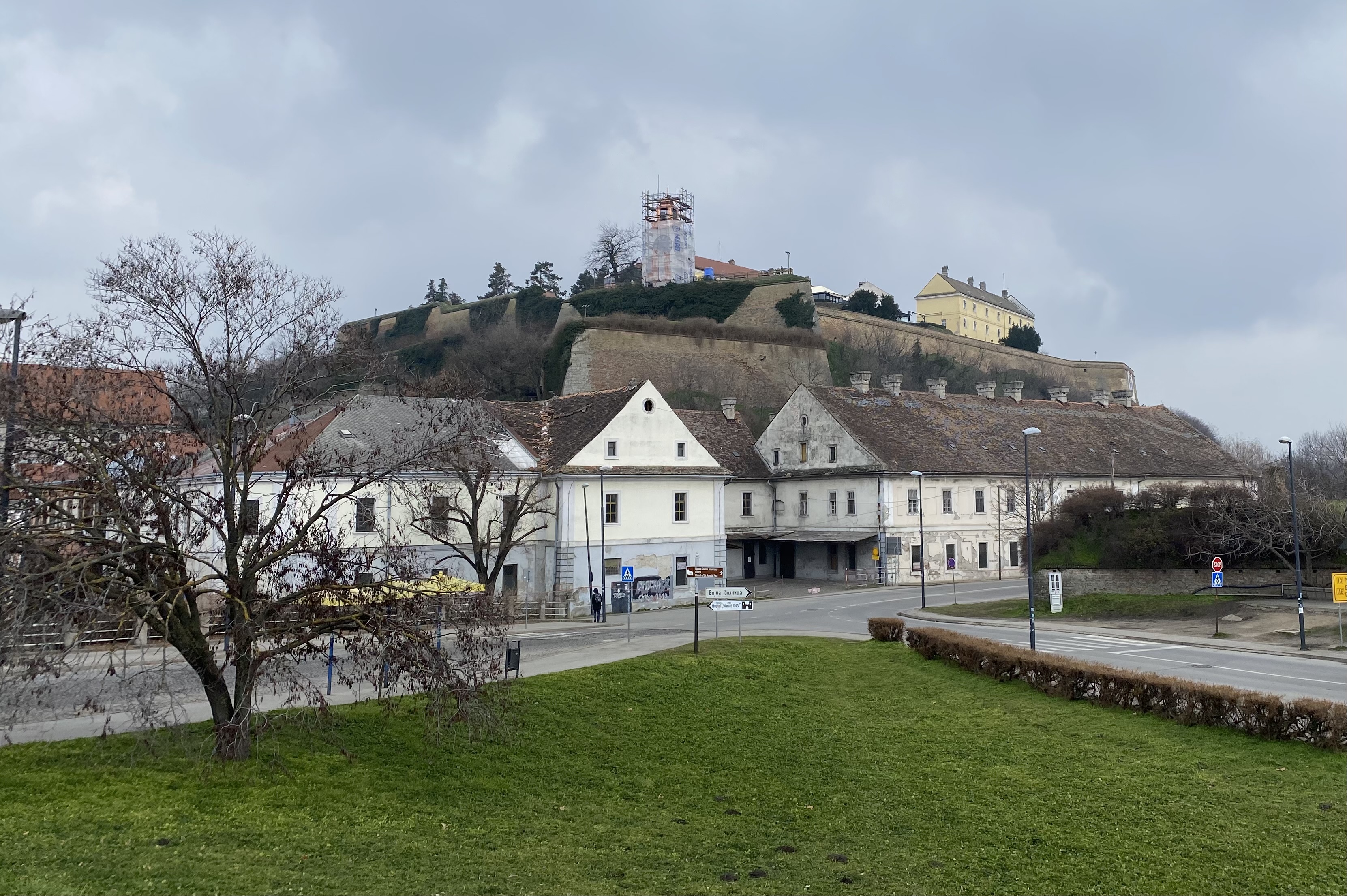
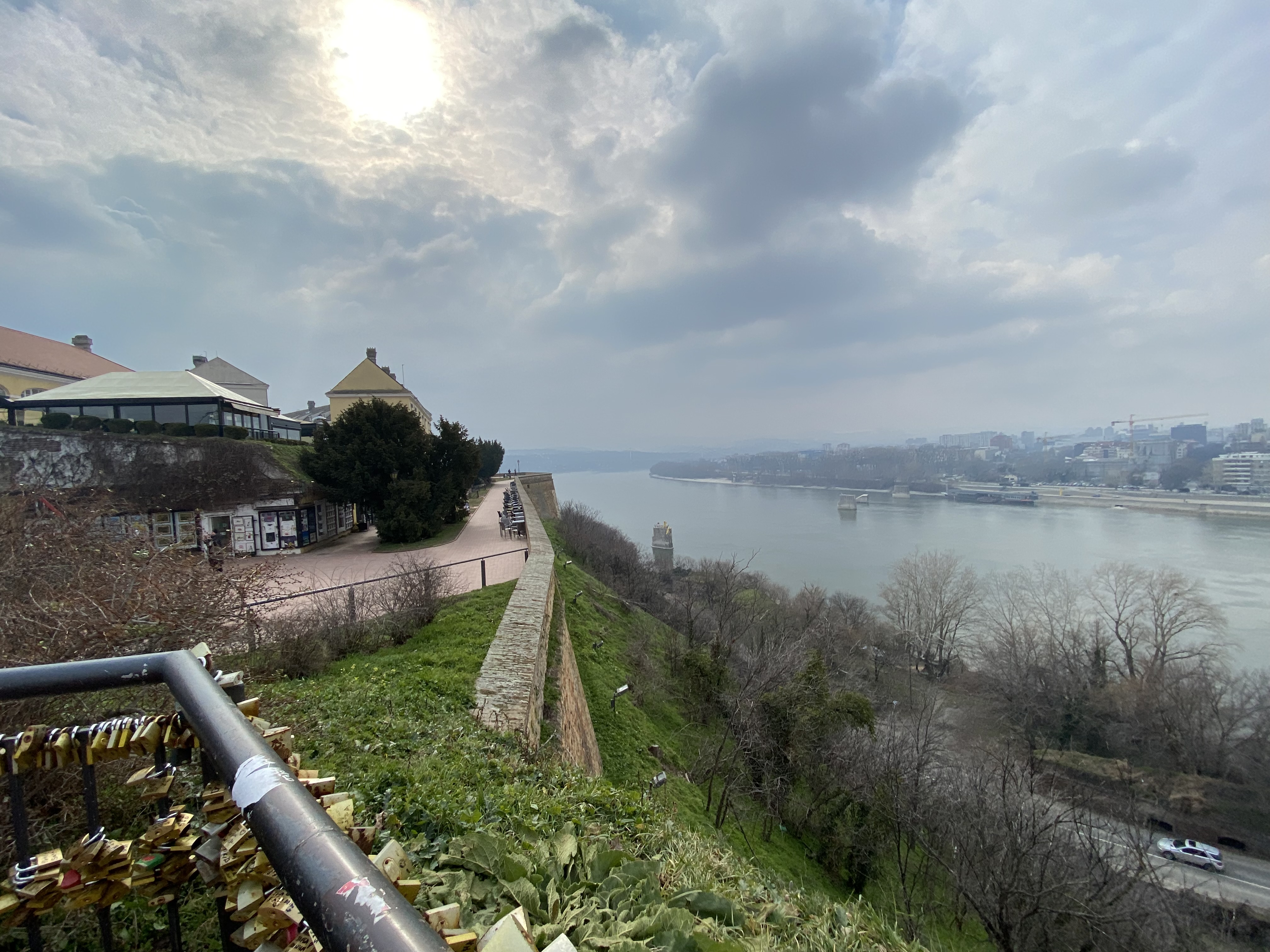
The area we arrived in, Petrovaradin, is on the other side of the Danube from Novi Sad, and is home to a fortress that overlooks the river. We had always intended to visit the fortress but had assumed we’d just be walking over the bridge.
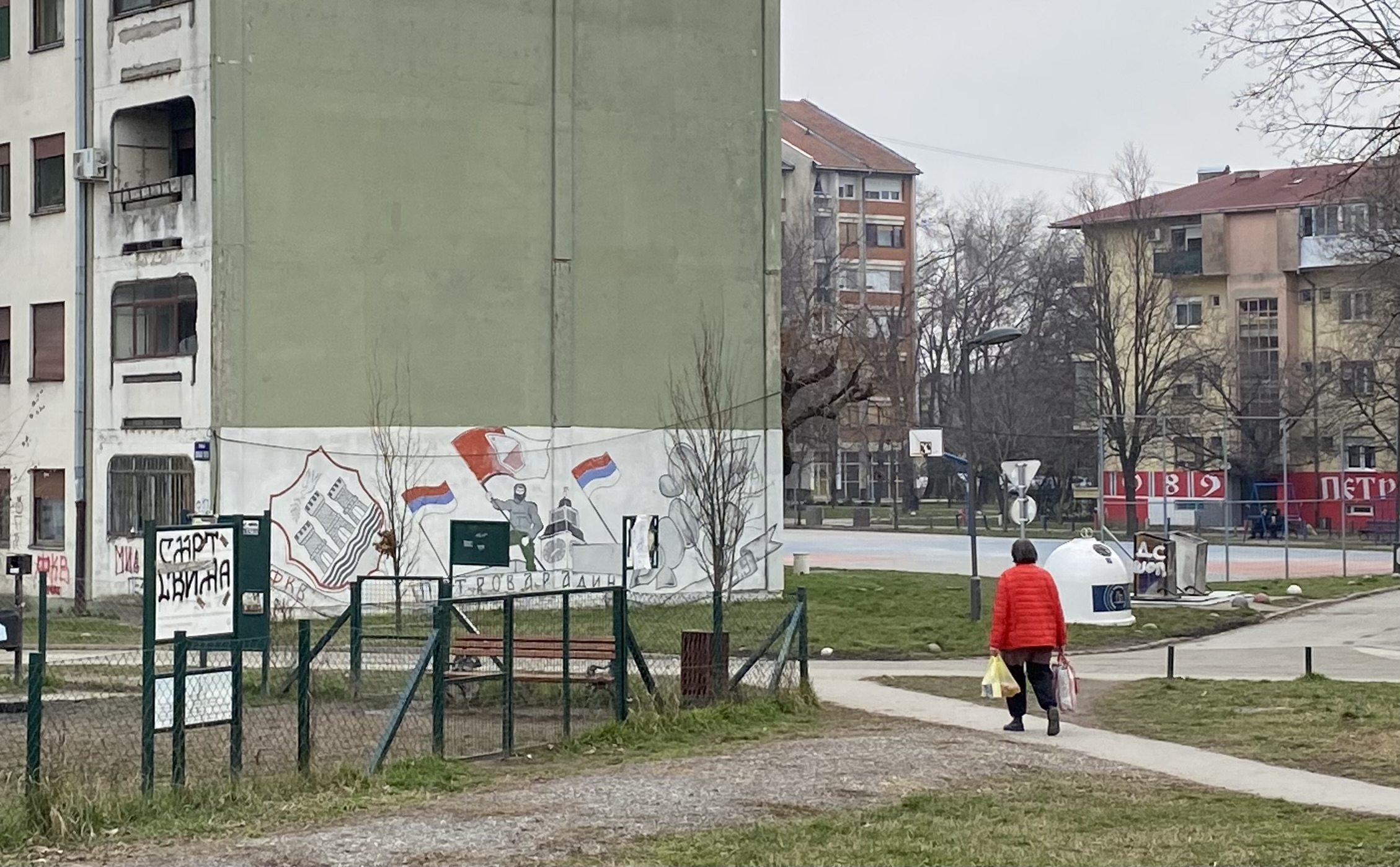
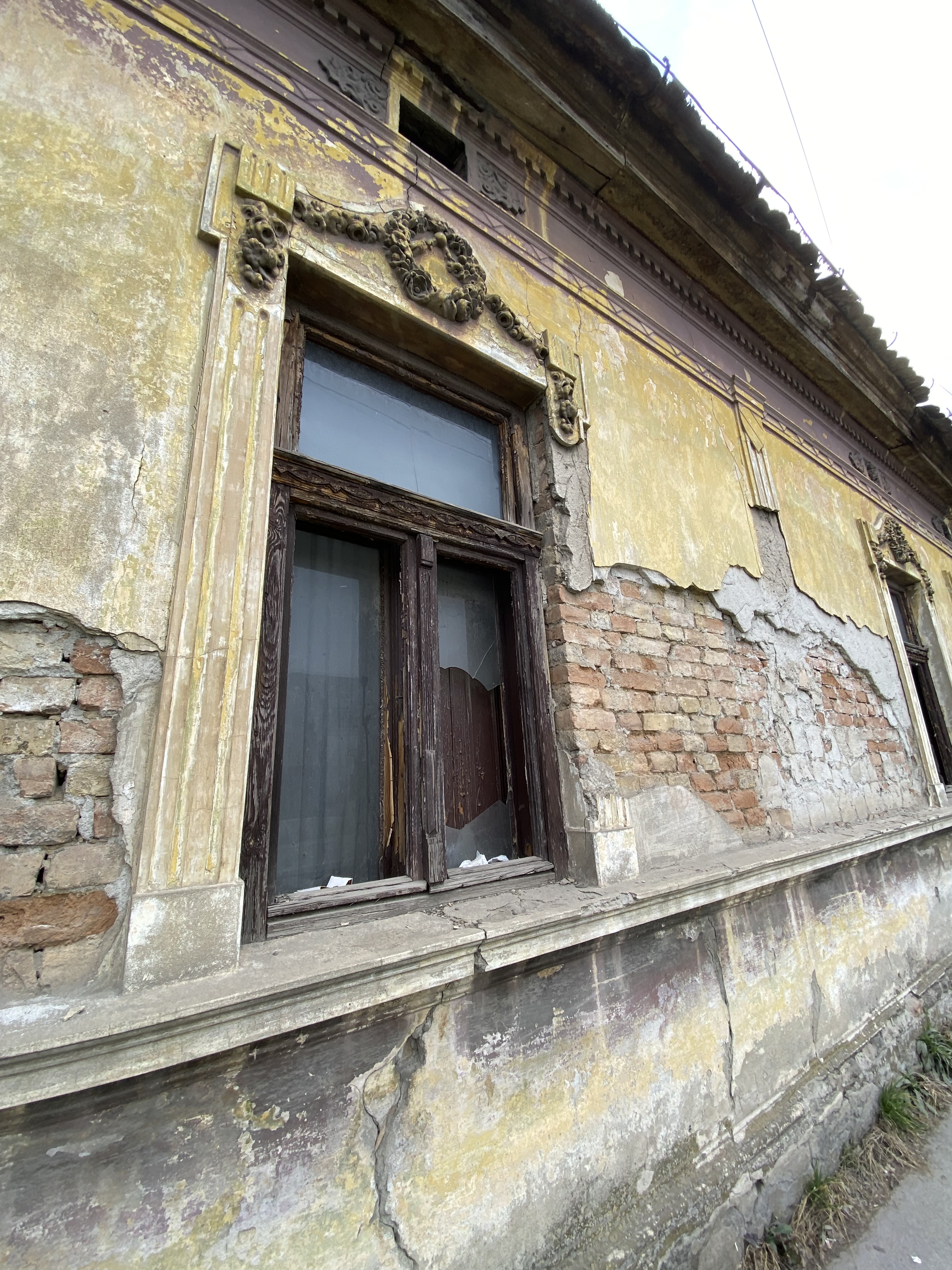
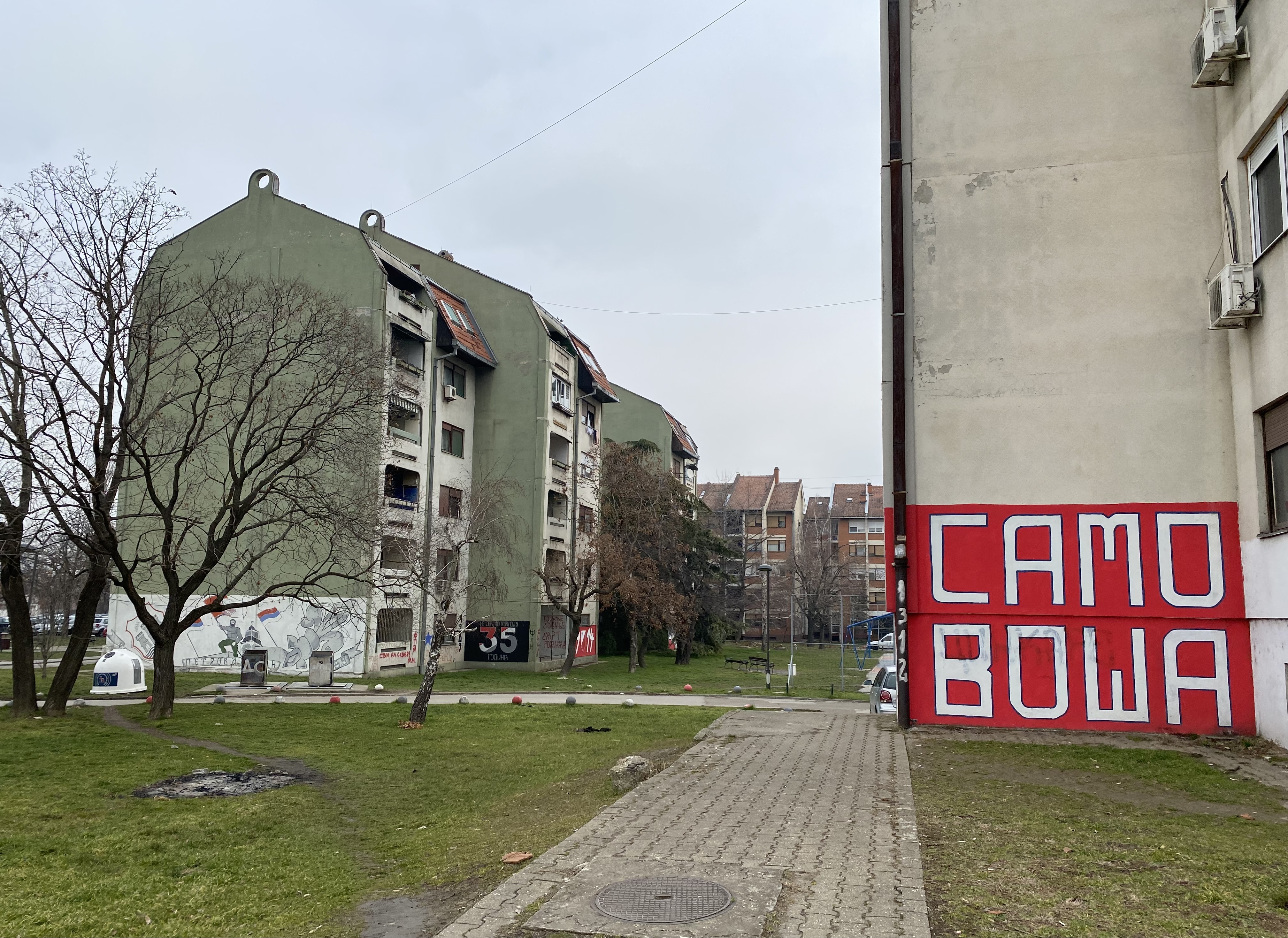
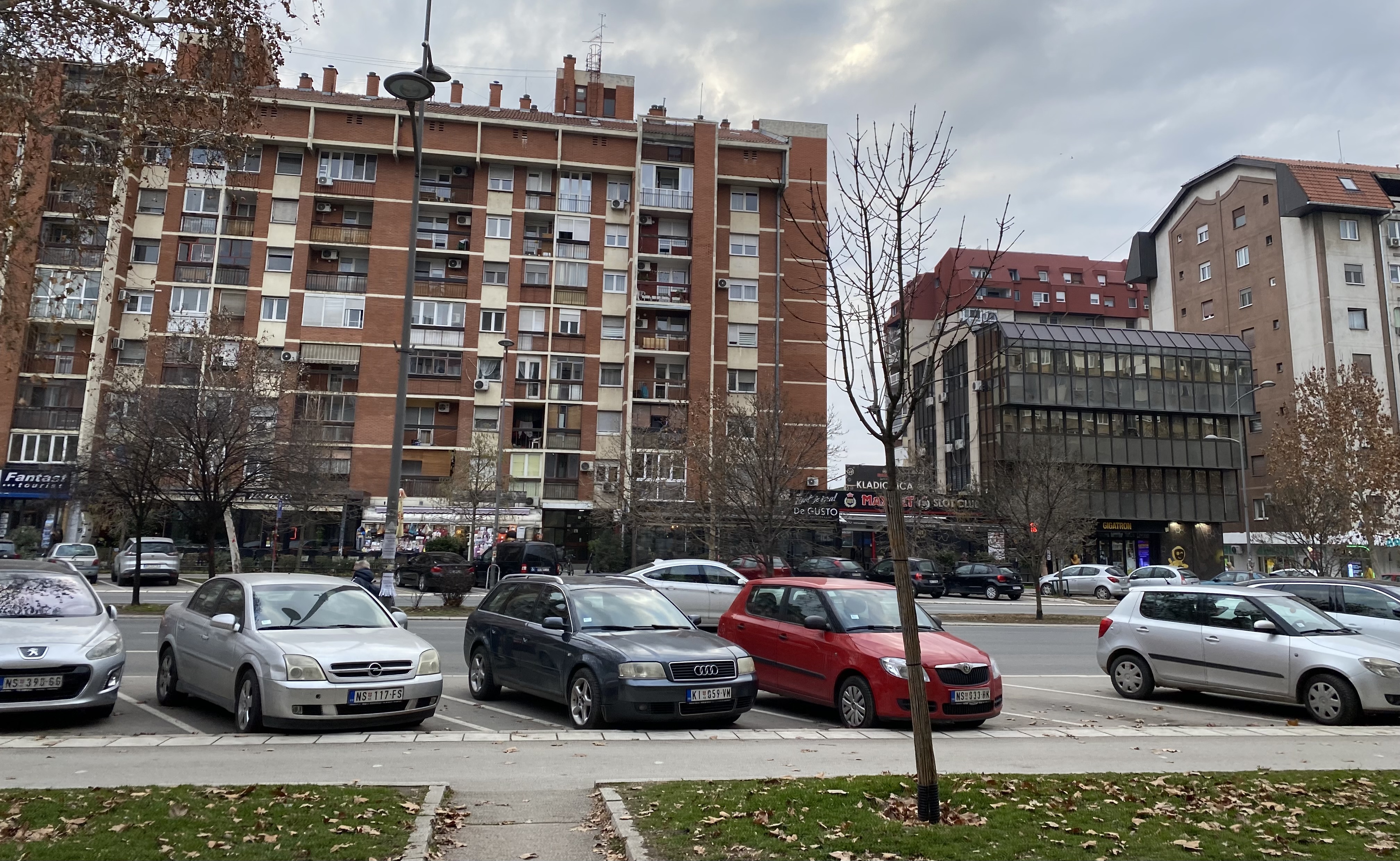
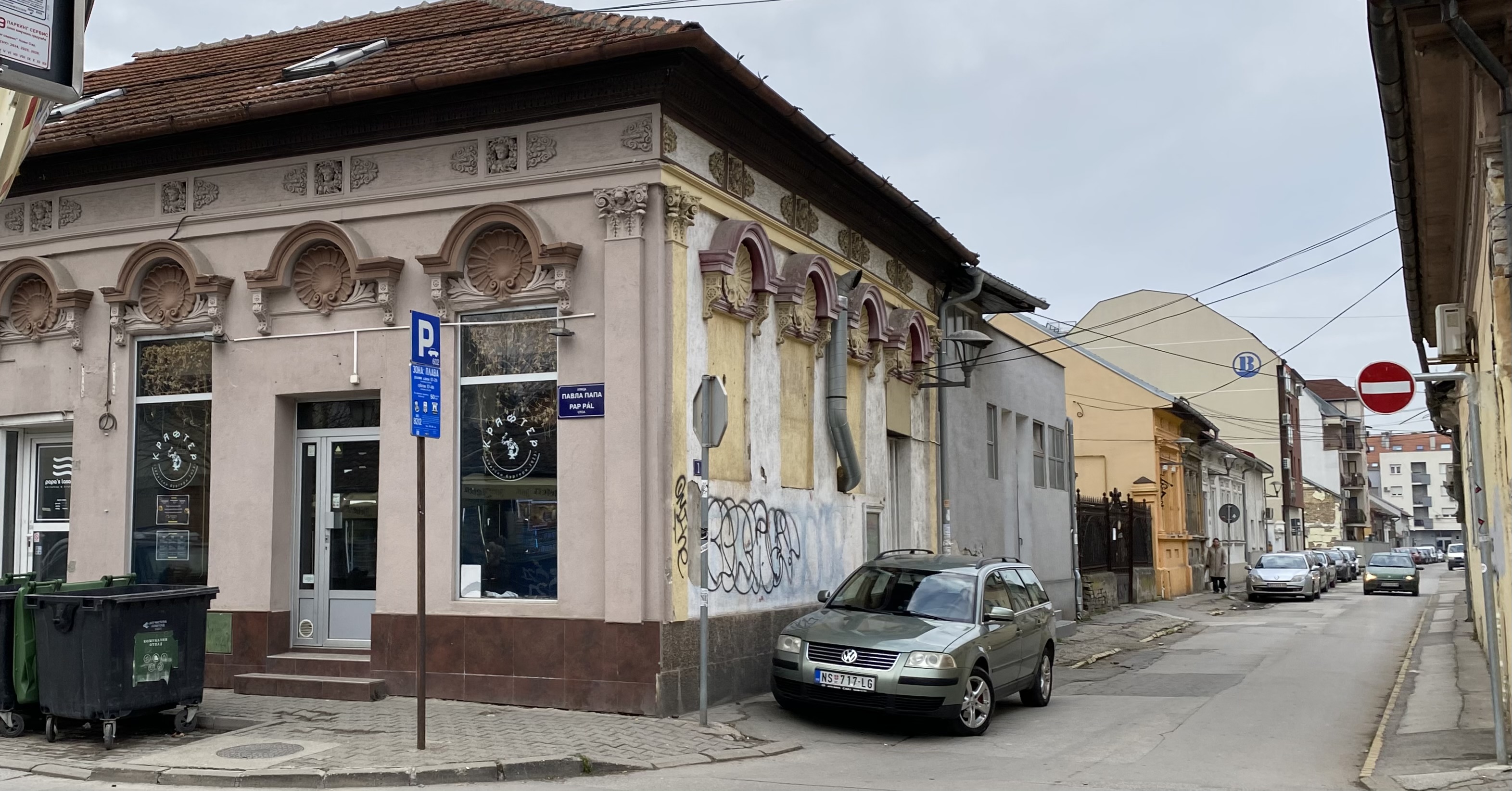
Instead, we walked for roughly 45-minutes through a decidedly non-touristy neighborhood. We walked past small storefronts–bakeries, electronics shops, plumbers, tiny grocers–some marked by graffiti scrawled on their walls. Low cottages skirted the street in clusters connected by walls with closed pedestrian and car gates. We passed a number of five-and-six storey apartment complexes with bus stops out front. On the wall of one apartment building, a mural featured men in ski masks holding up Serbian flags and a flag I couldn’t identify, and featured a large crest of Novi Sad. I can take guesses at the murals’ meaning, but again, even trying to be an informed visitor is difficult with political histories as fraught as the nations within the former Yugoslavia.
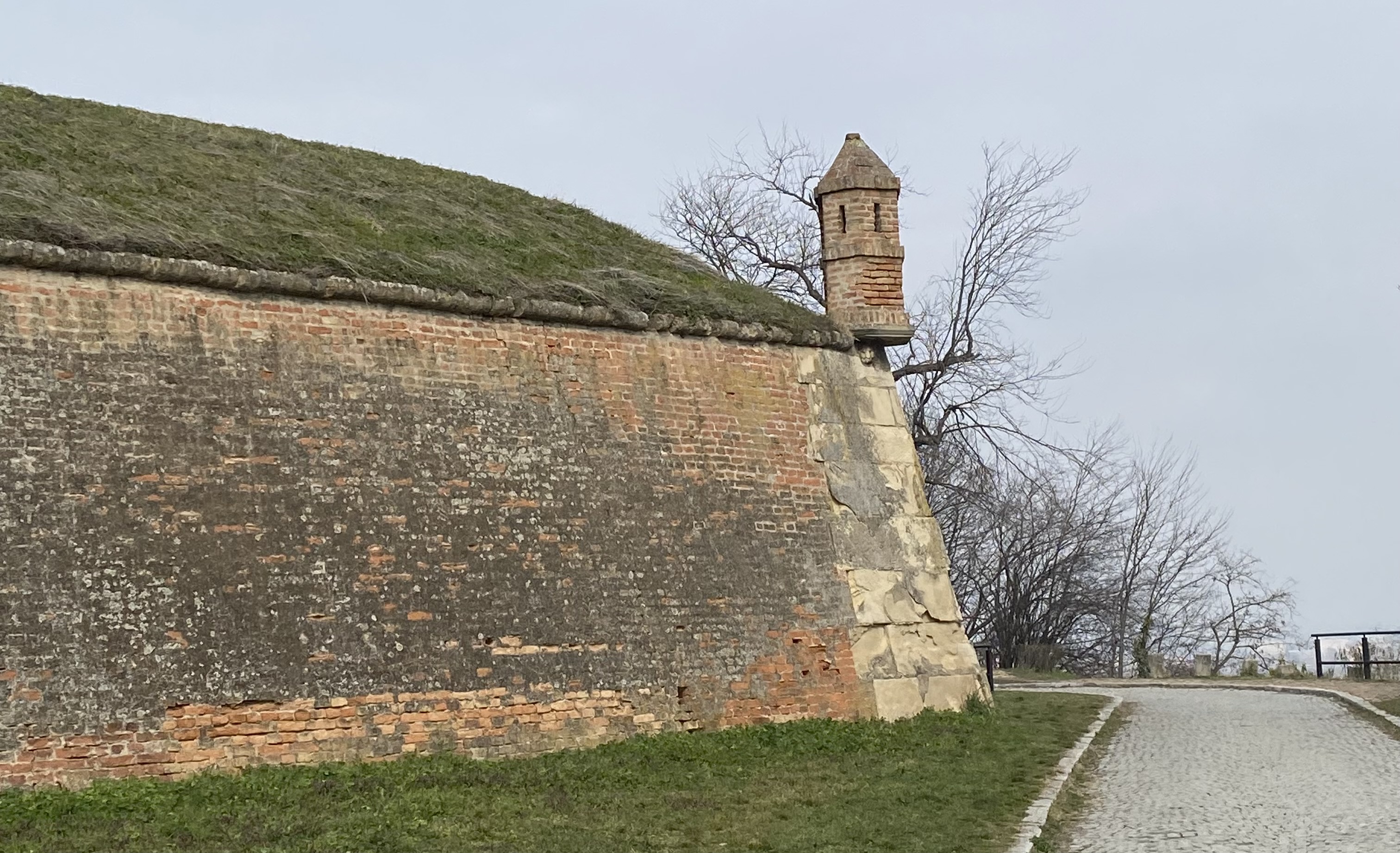
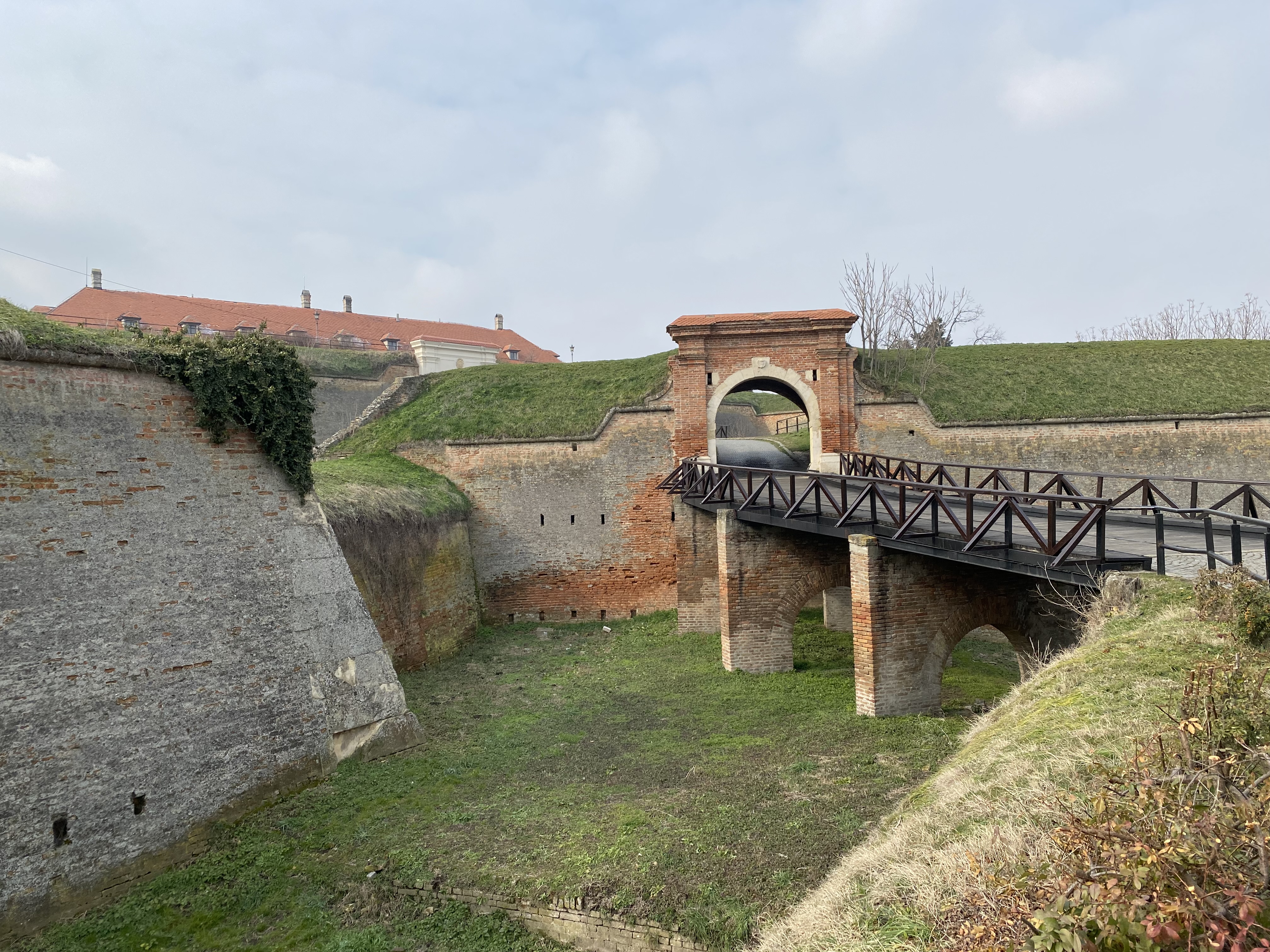
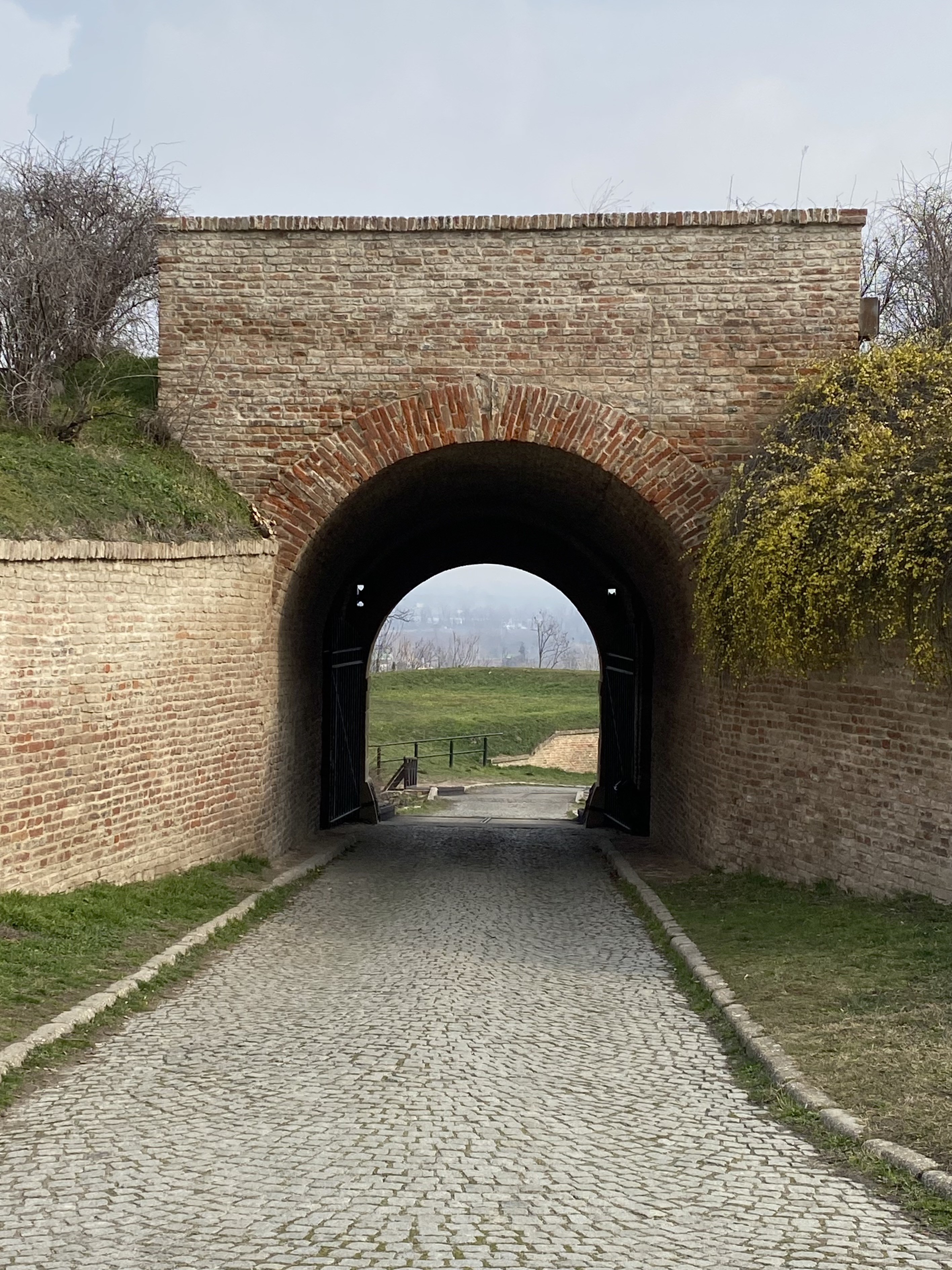
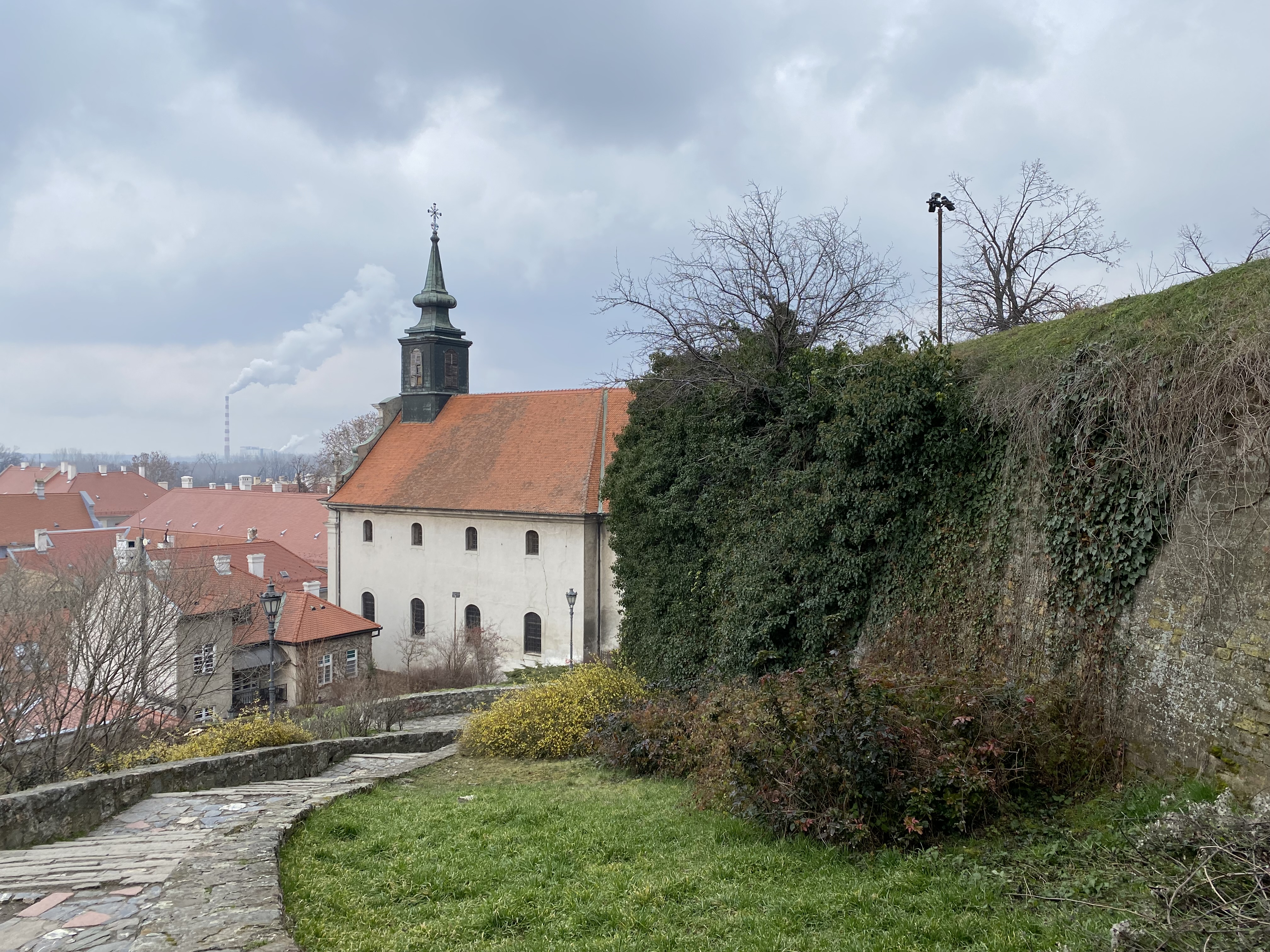
Eventually, we arrived at the outer grounds of the fortress. Prehistoric settlements have been found on the site, with more recent occupants including the Celts, the Romans, and the Austrian-Hapsburge empire. The current grand structure dates back mainly to the 18th century. My American readers most likely will not, but Europeans may know the fortress as the site of the annual EXIT music festival.
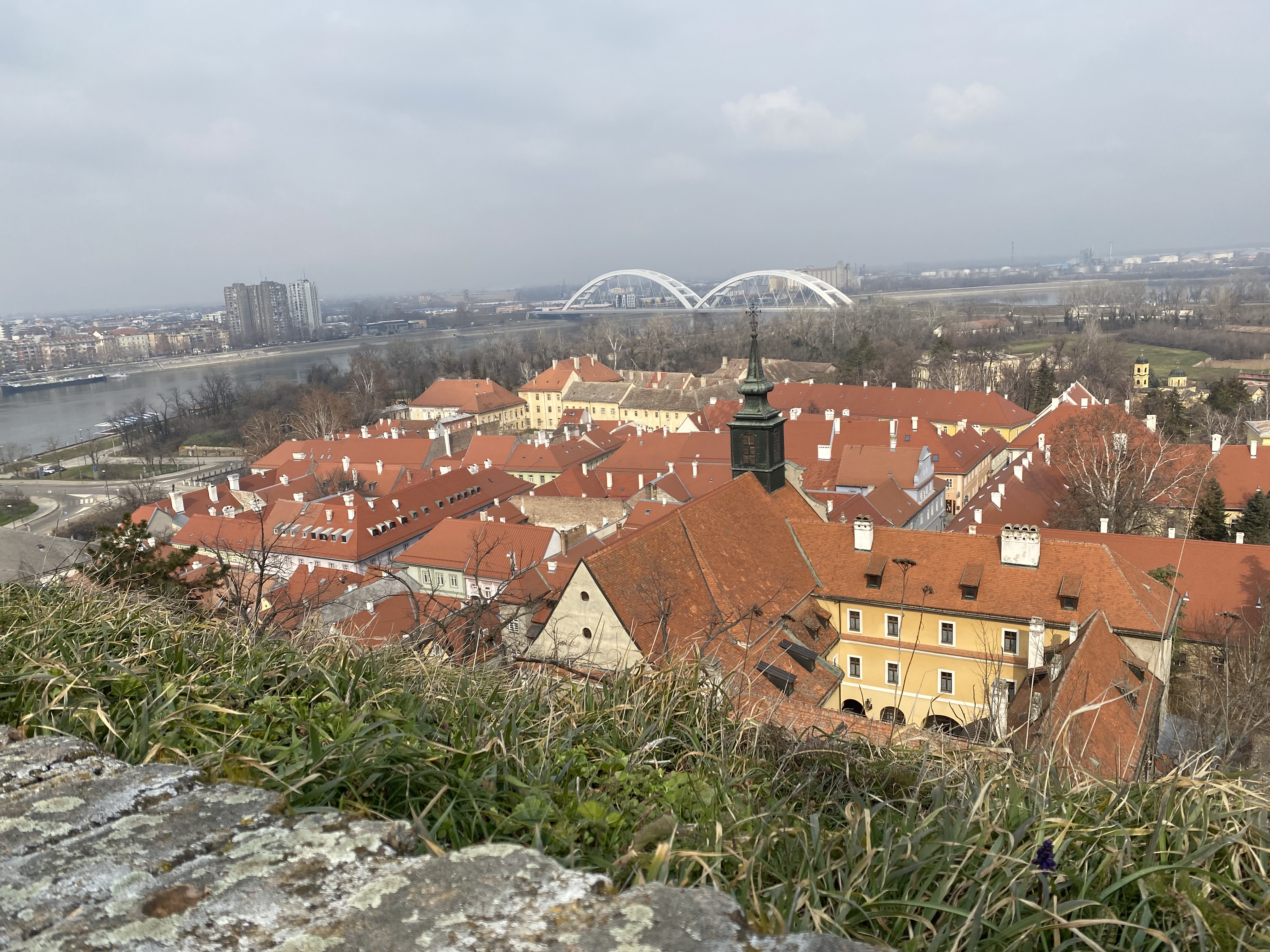
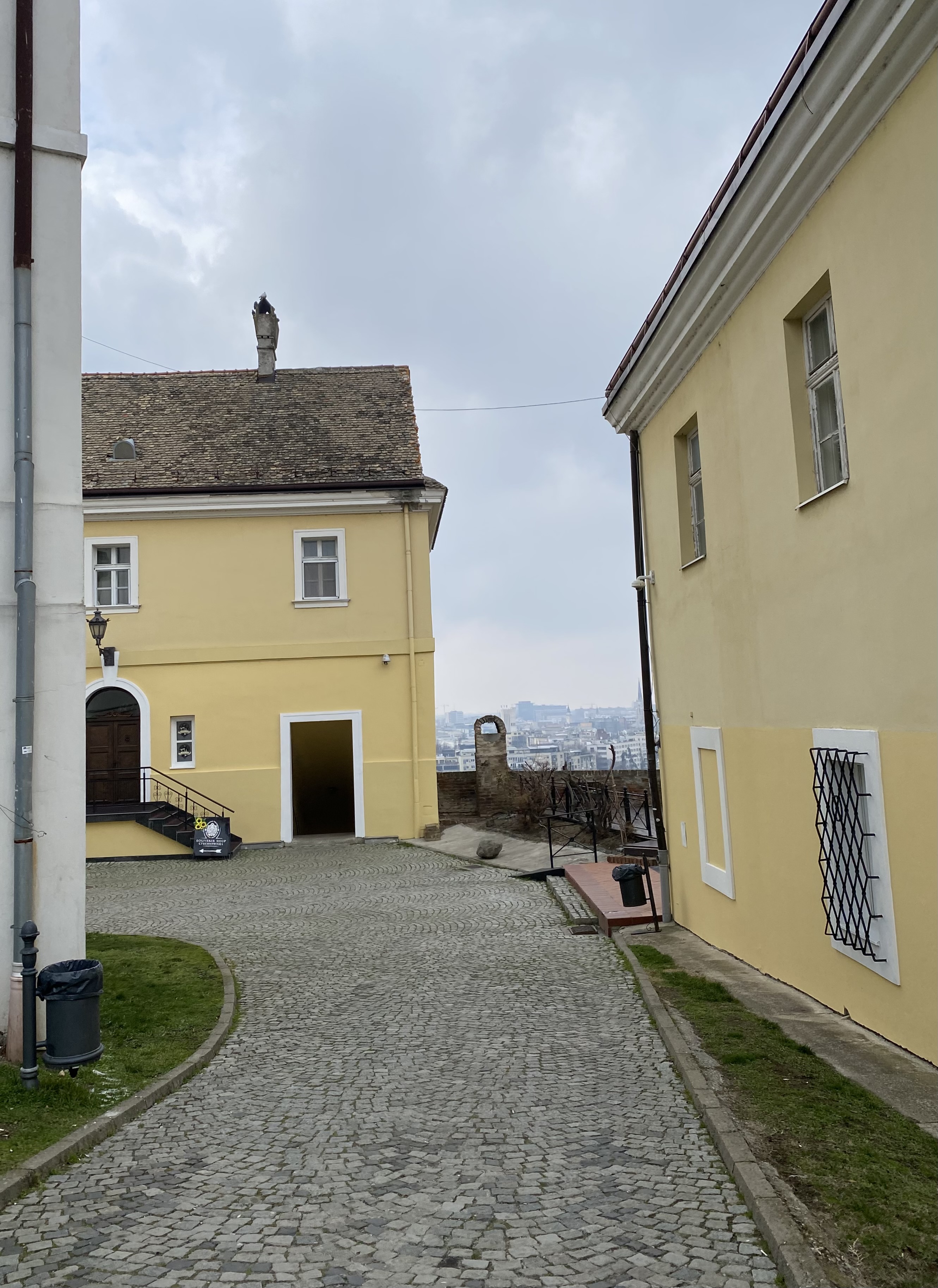
Part of the beauty of travelling off-season is you don’t have to fight the hordes of other visitors. We had much of the fortress to ourselves or with just a few other tourists. From its ramparts, we took in incredible views of the red-roofed town below us and the Danube, bridged in the distance by the white arches of the Žeželj Bridge.
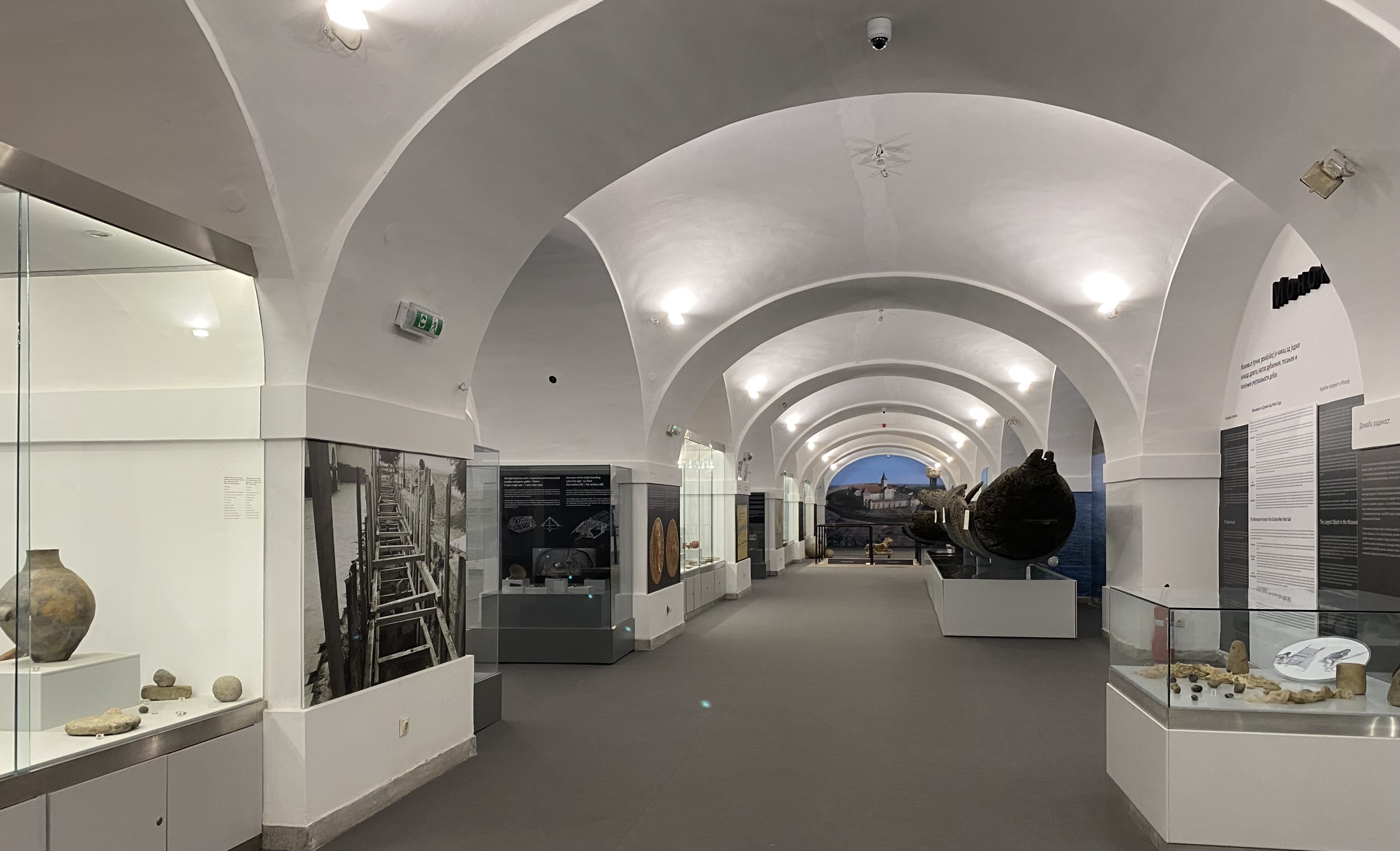
We explored the city museum within the fortress, where a very enthusiastic guide trailed us to provide historical tidbits and context. While much of the museum provided static displays of the city’s history, unexpectedly, the museum also included an immersive, contemporary section telling the compelling personal story of Mileva Marić, a physicist who partially grew up in Novi Sad. She was a prolific scientist whose individual and collaborative work was published under the name of her world-famous husband, Albert Einstein.
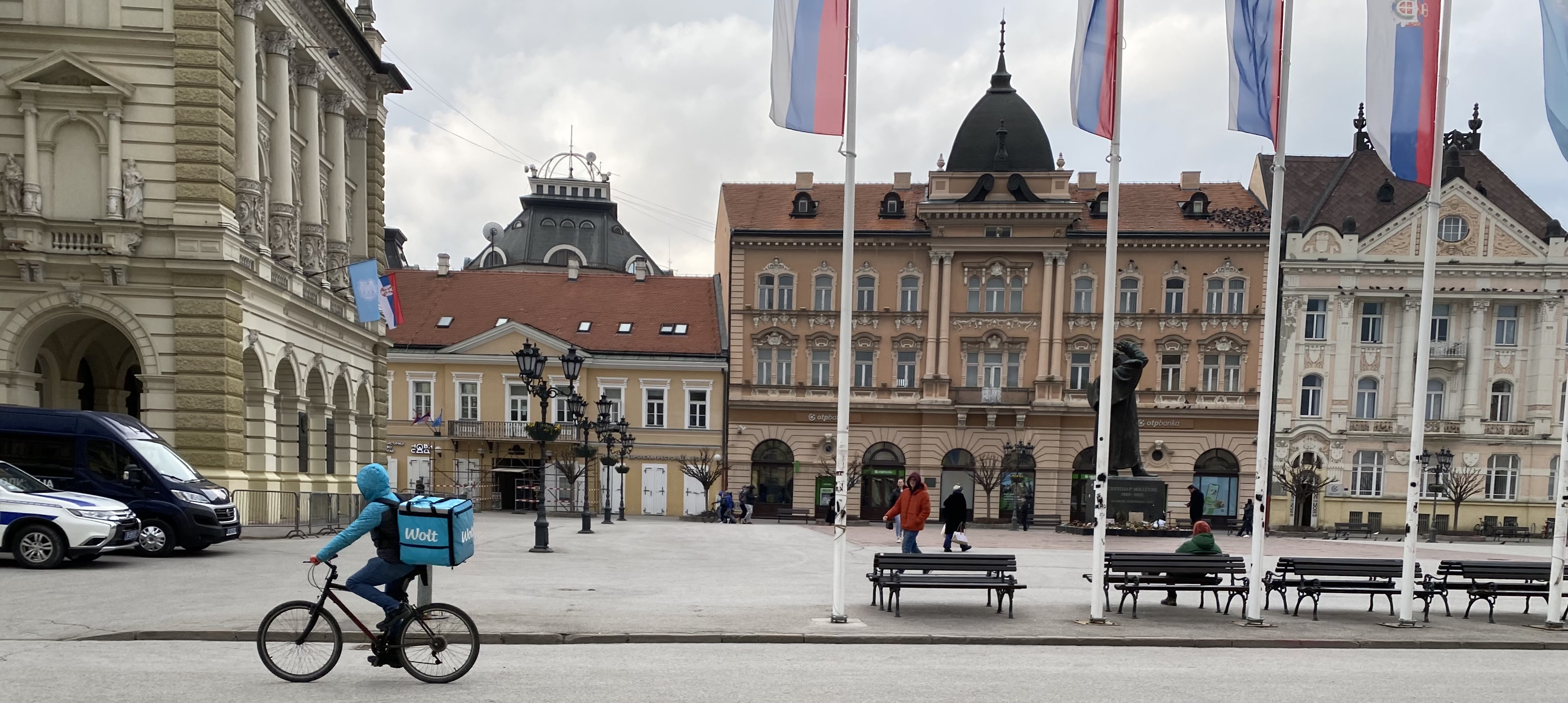
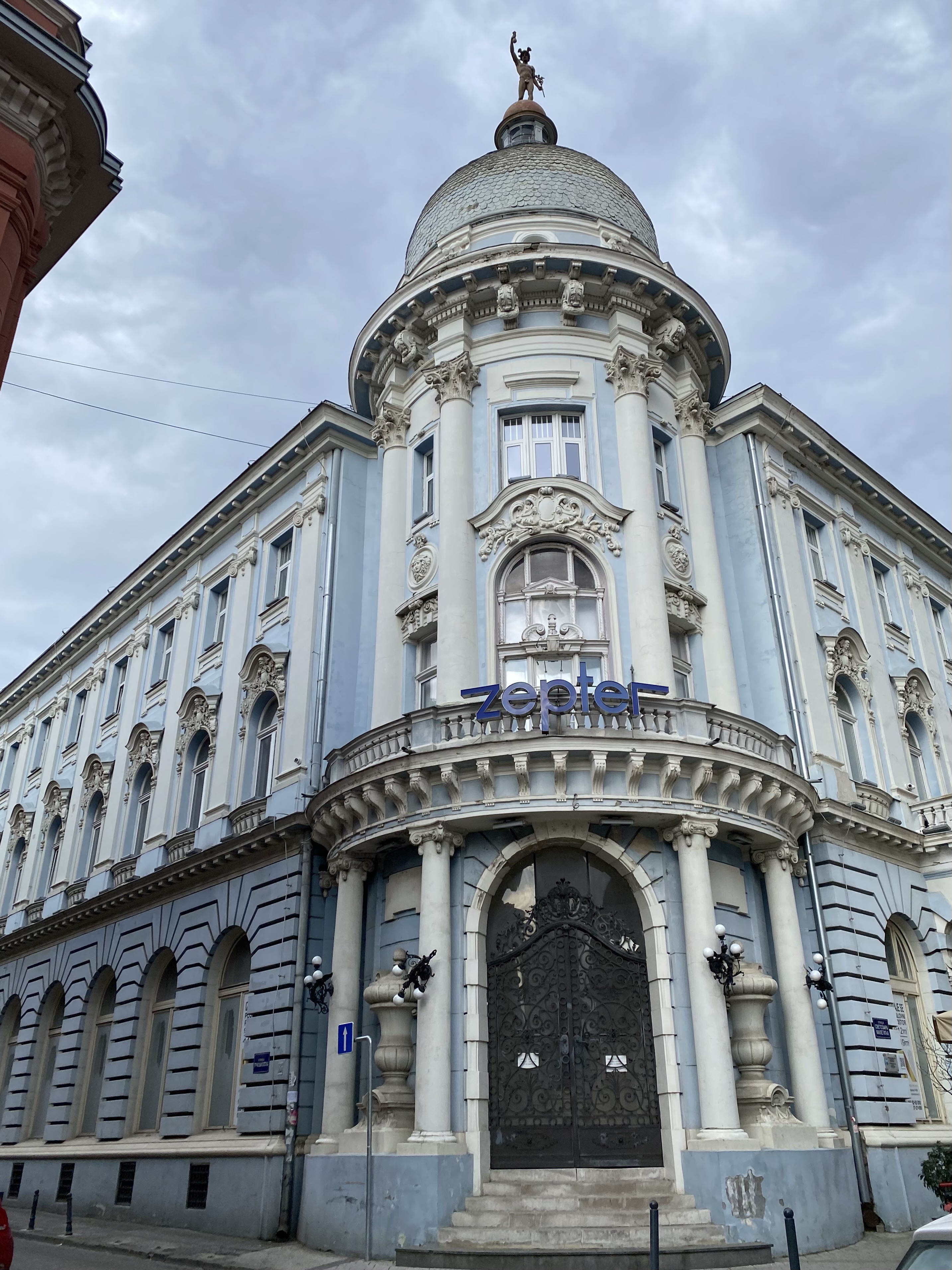
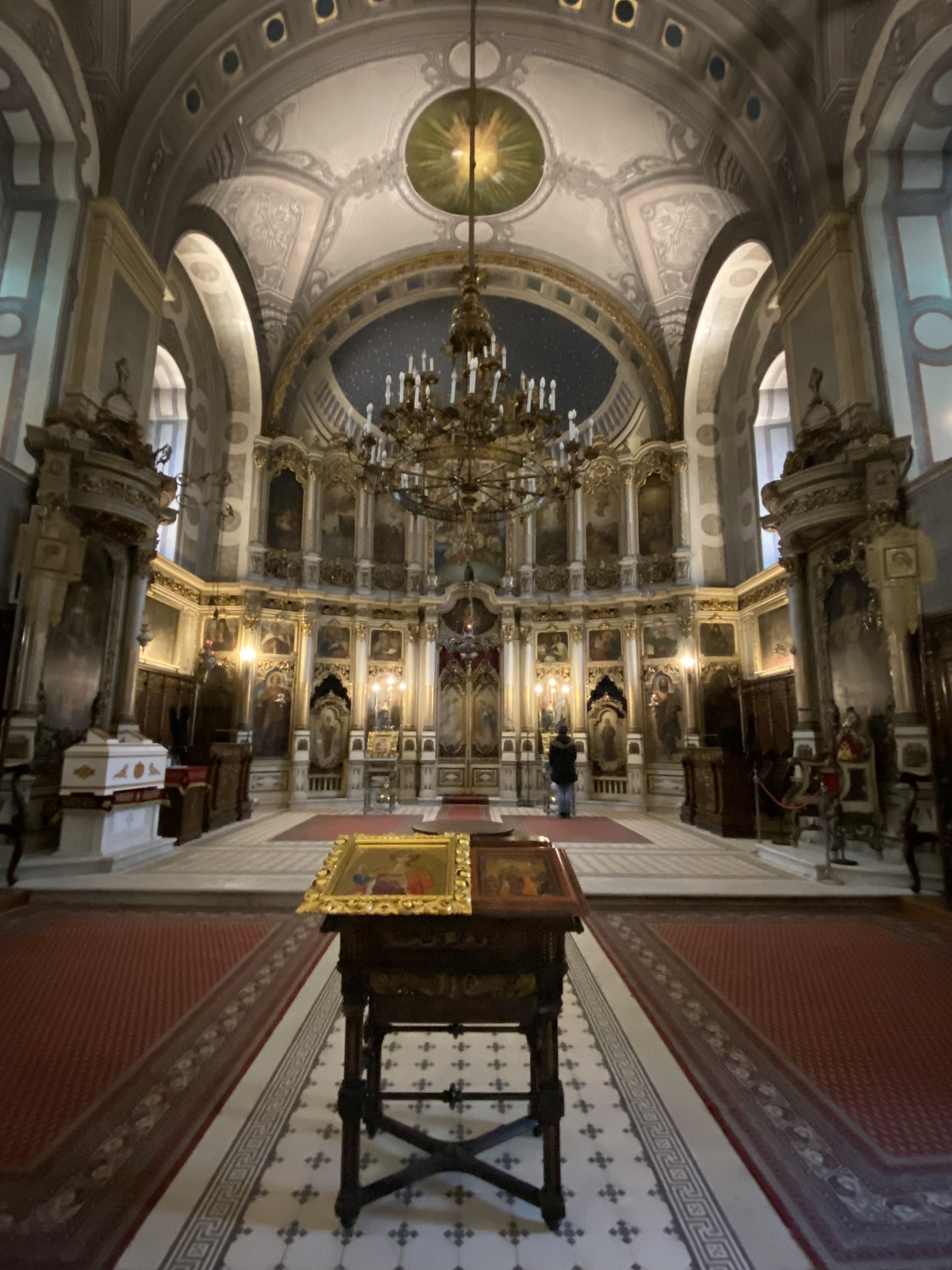
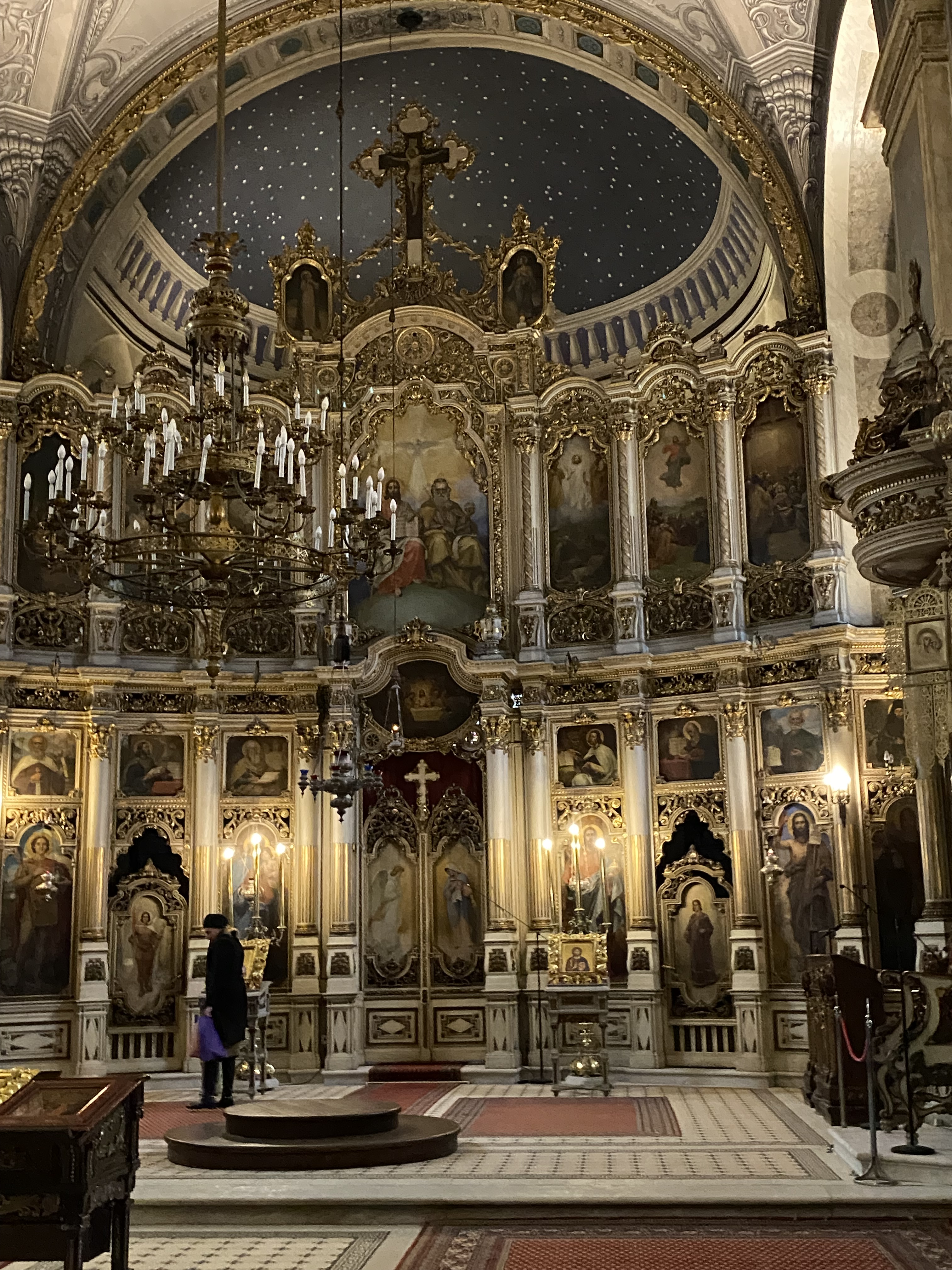
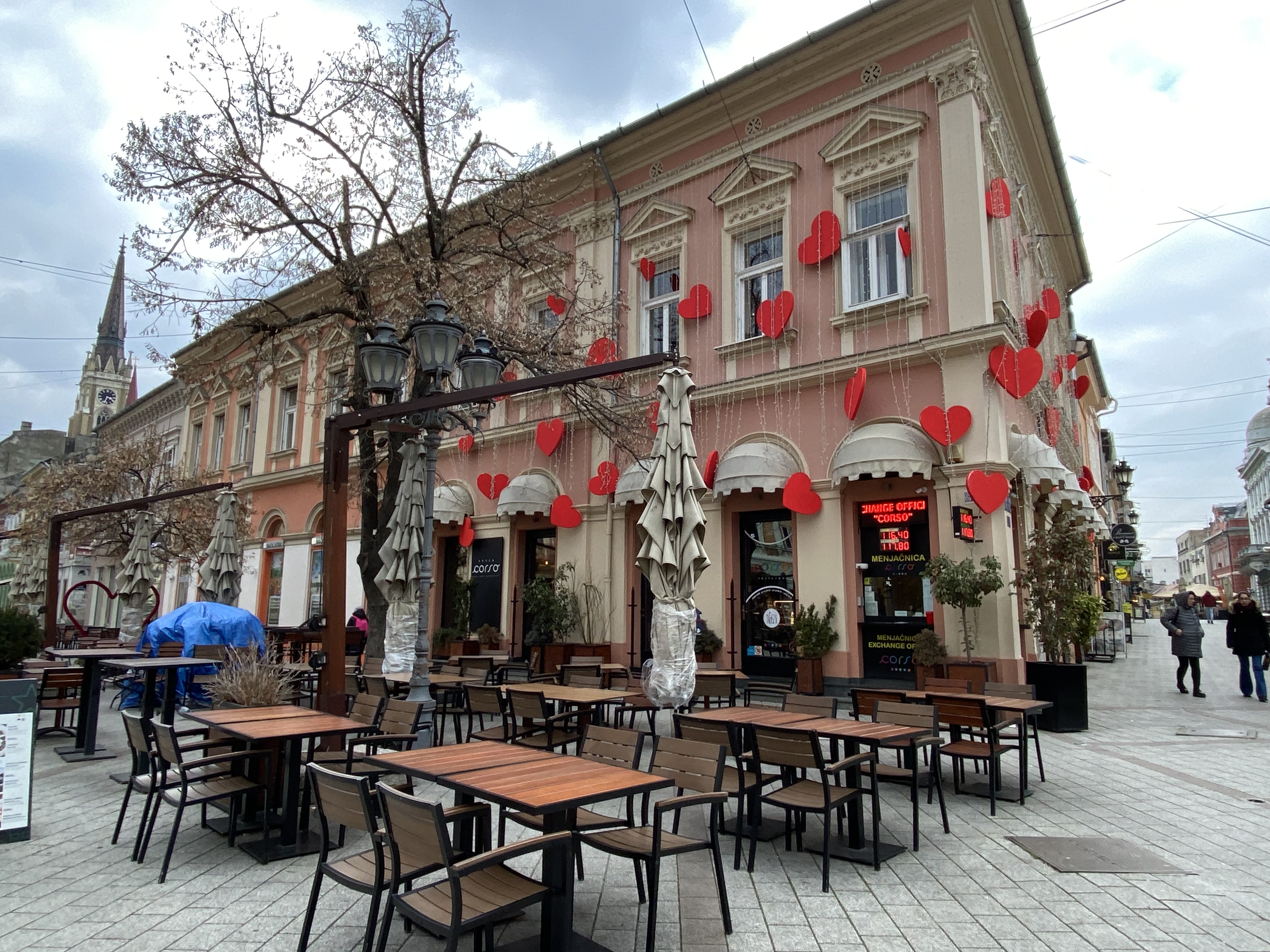
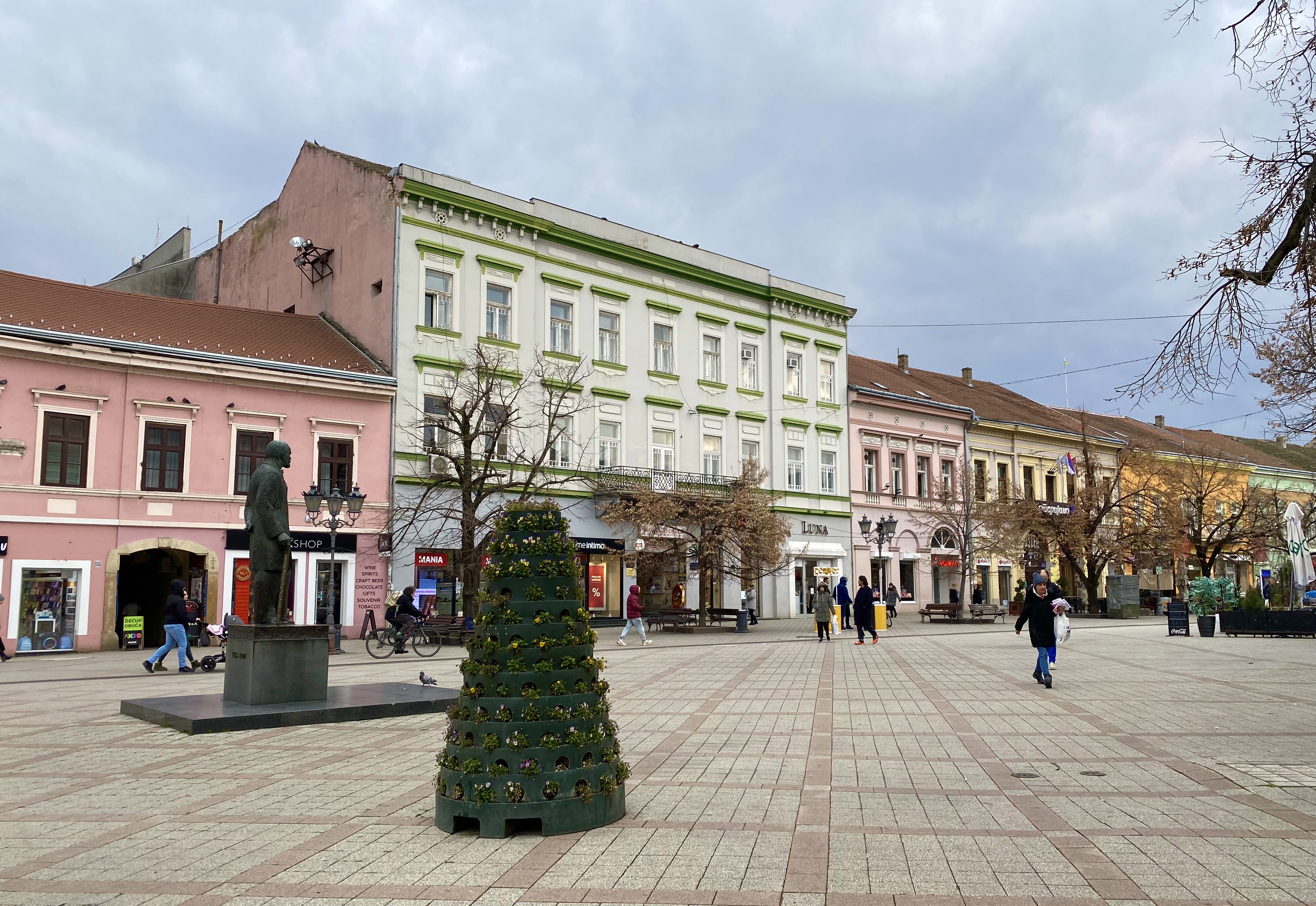
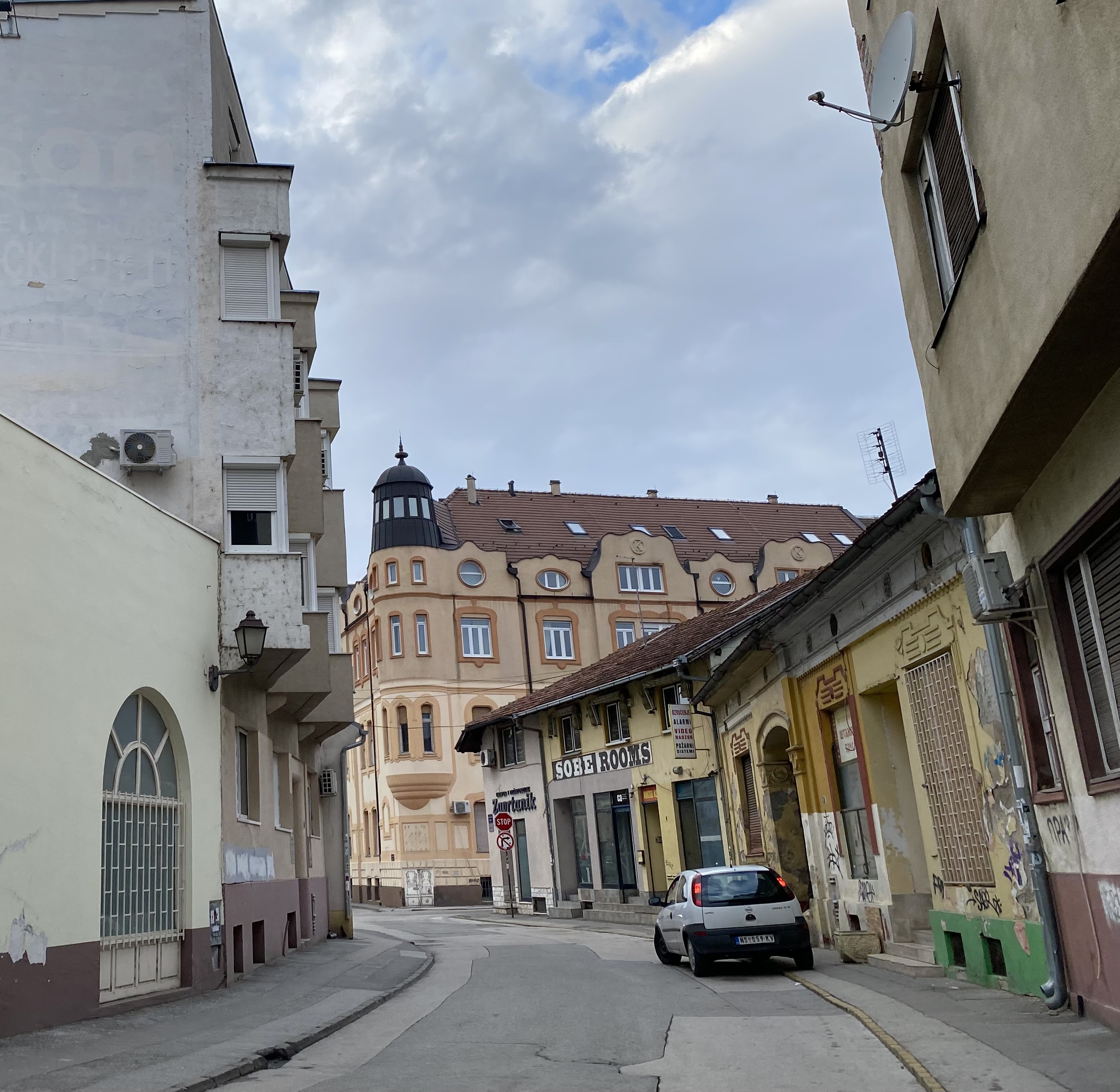
There are roughly 16 kilometers of tunnels which form a web under the fortress. One of them offers walkers a route out of the fortress toward Novi Sad. After a bit of confusion, we found the tunnel and made our way into town. It’s an elegant city, with many grand 19th-century buildings painted in pastel colors. Compared to the fortress across the river, it’s comparatively young, having been founded in 1694. It’s also, thankfully, quite flat, which meant our wandering from square to square did not involve any steep climbs.
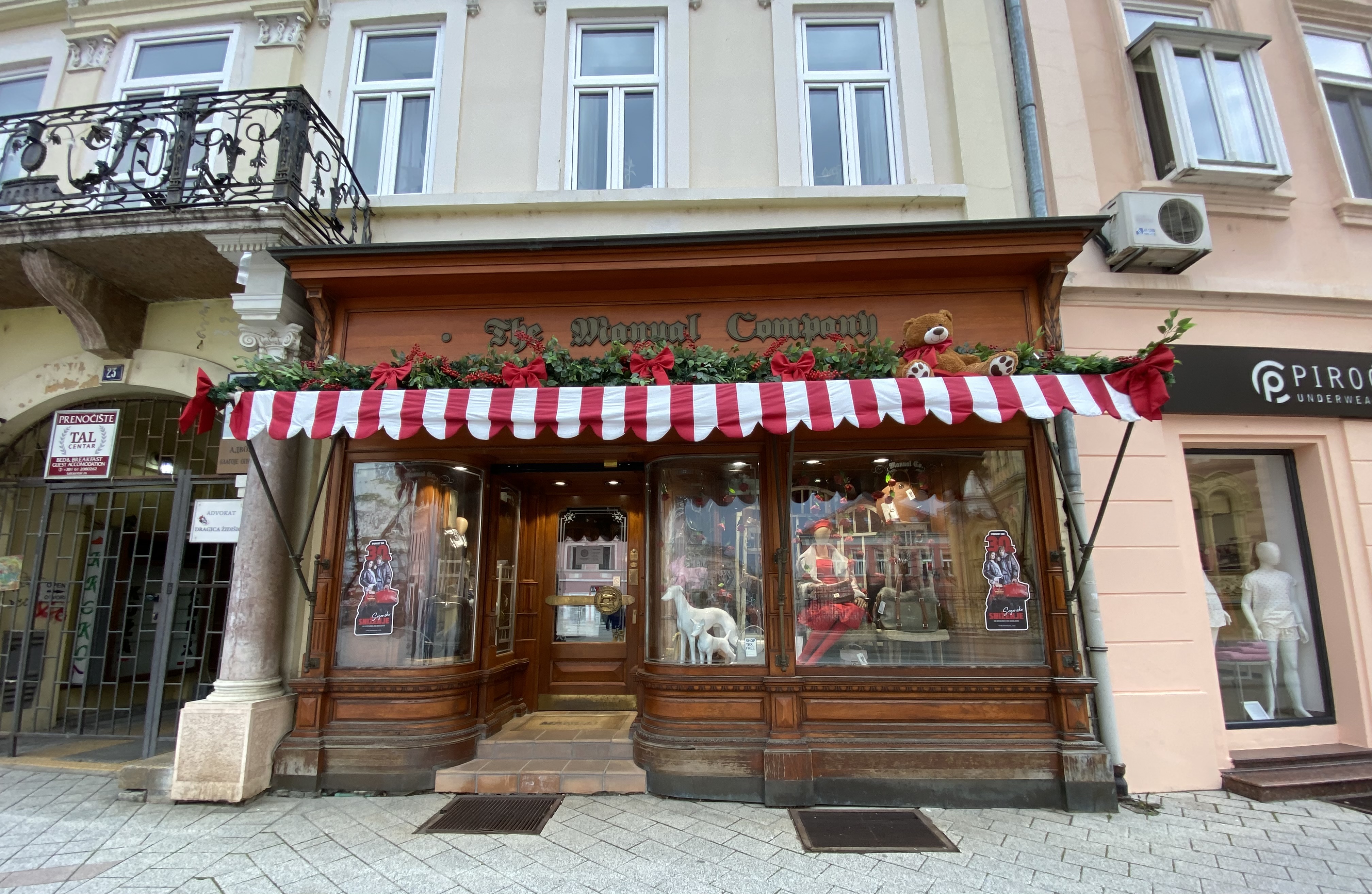
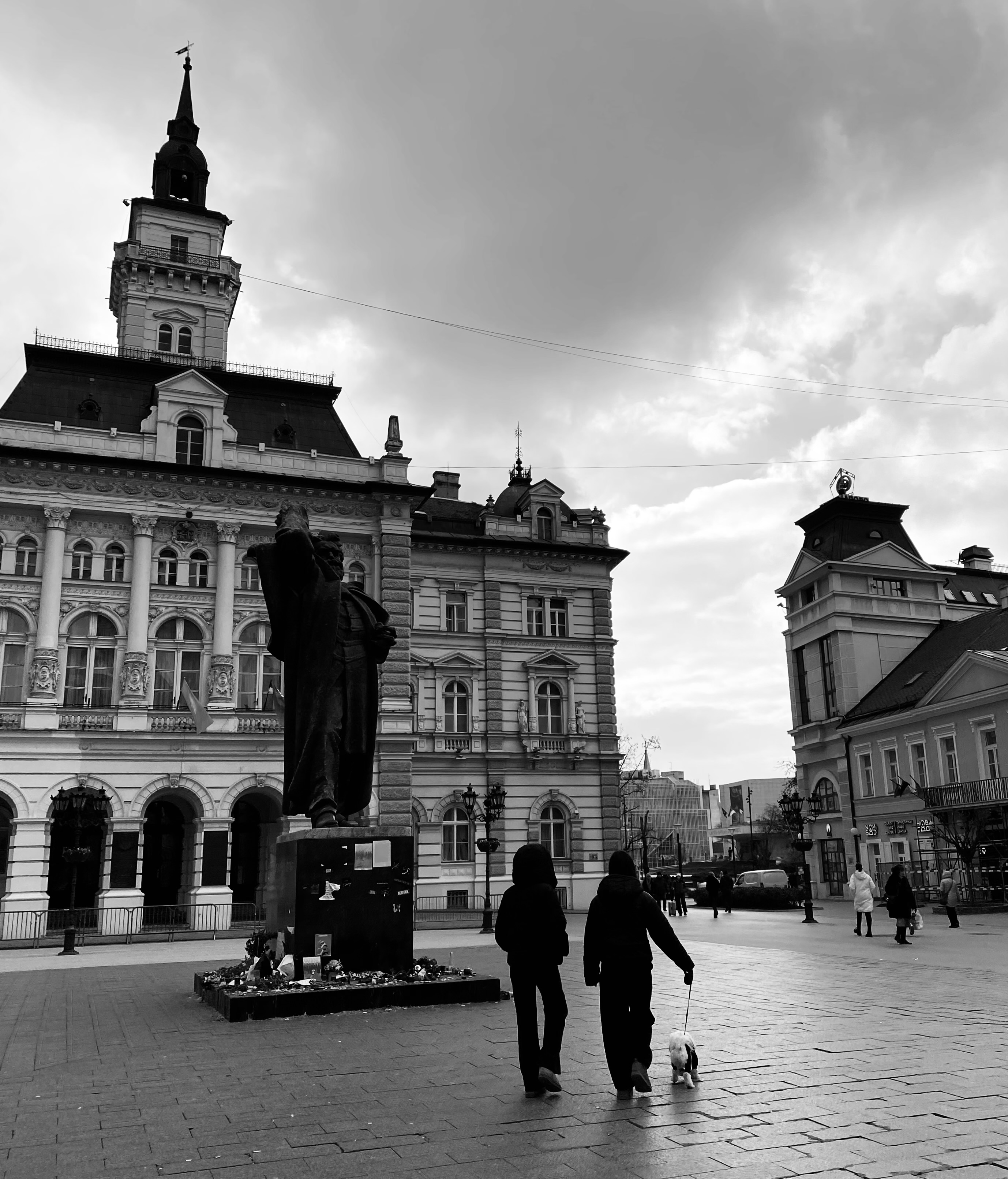
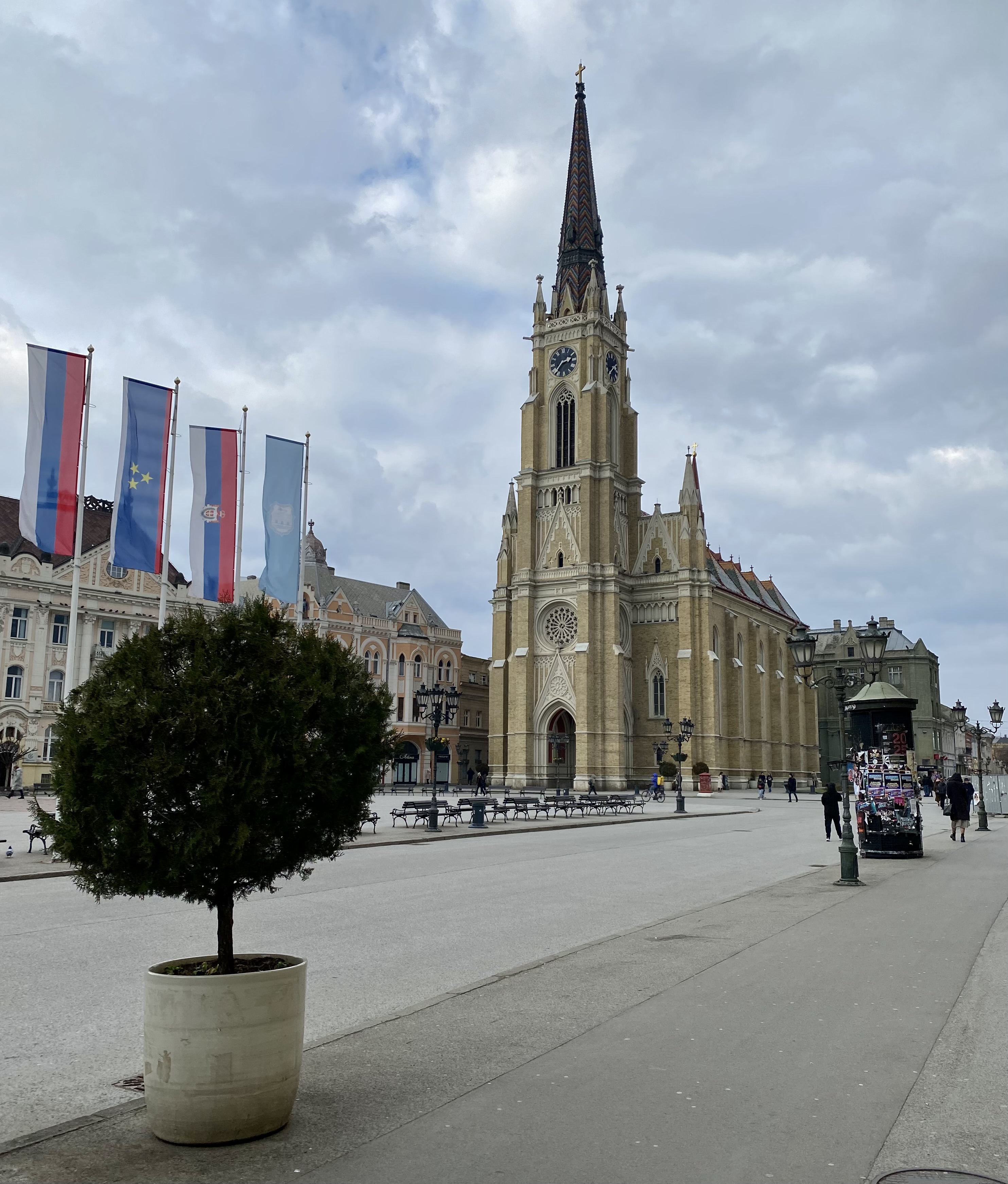
We spent several pleasant hours strolling its pedestrian streets, visiting a few shops and churches along the way and the city’s Freedom Square. We stopped into The Manual Company, a well-known local leather goods store filled with gorgeous handcrafted purses, wallets and knapsacks. (In retrospect, I probably should have splurged on one.)
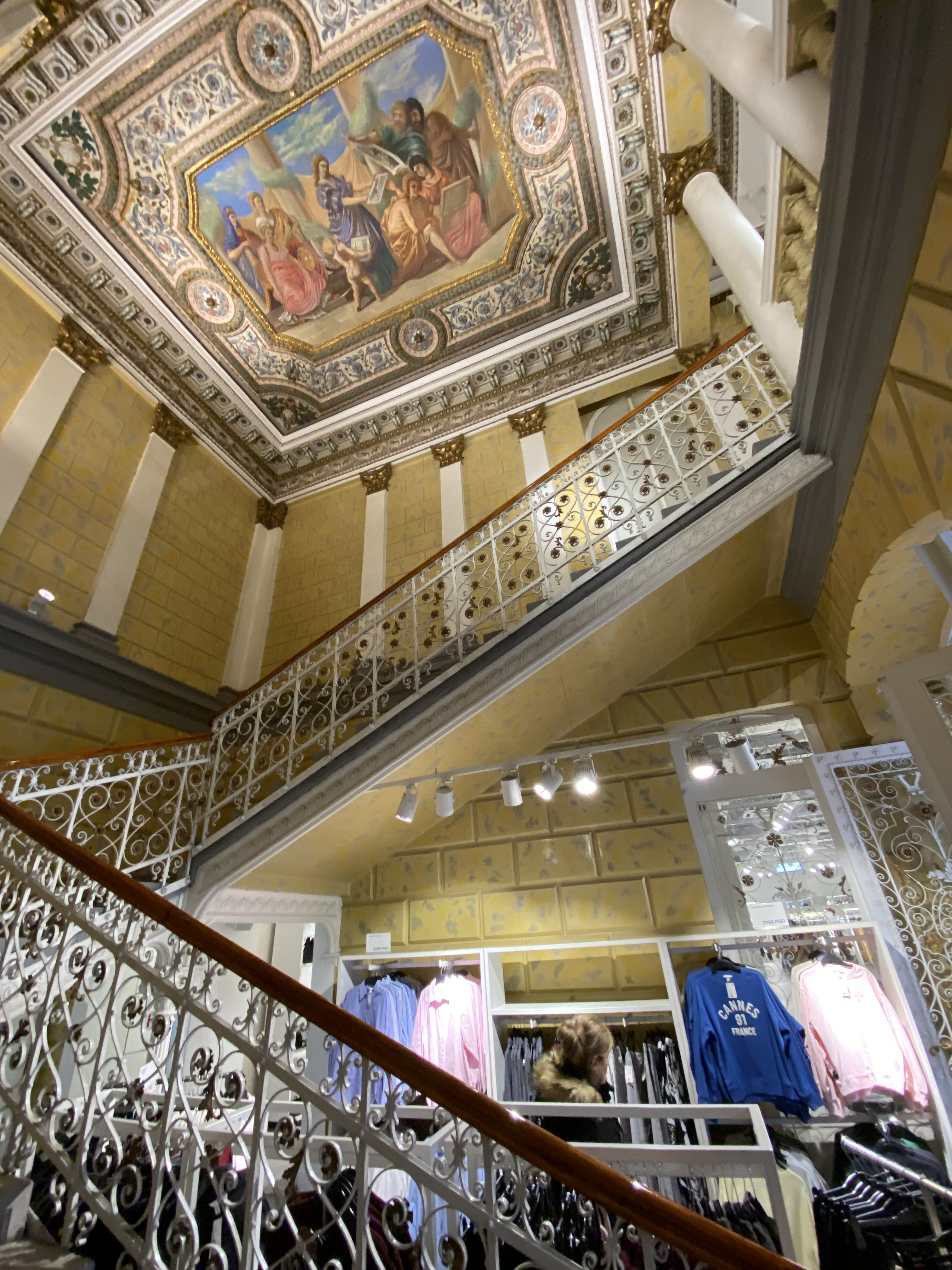
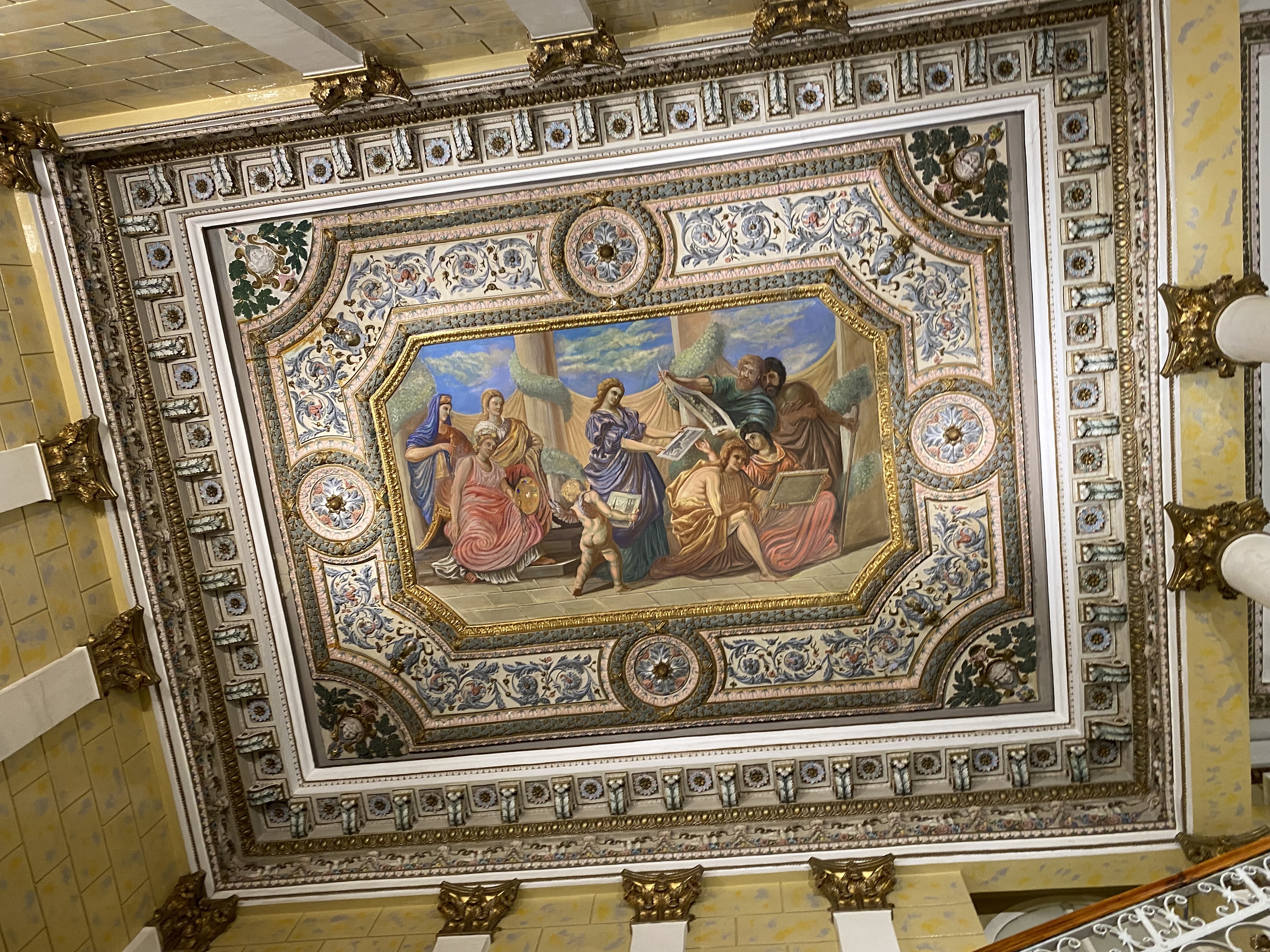
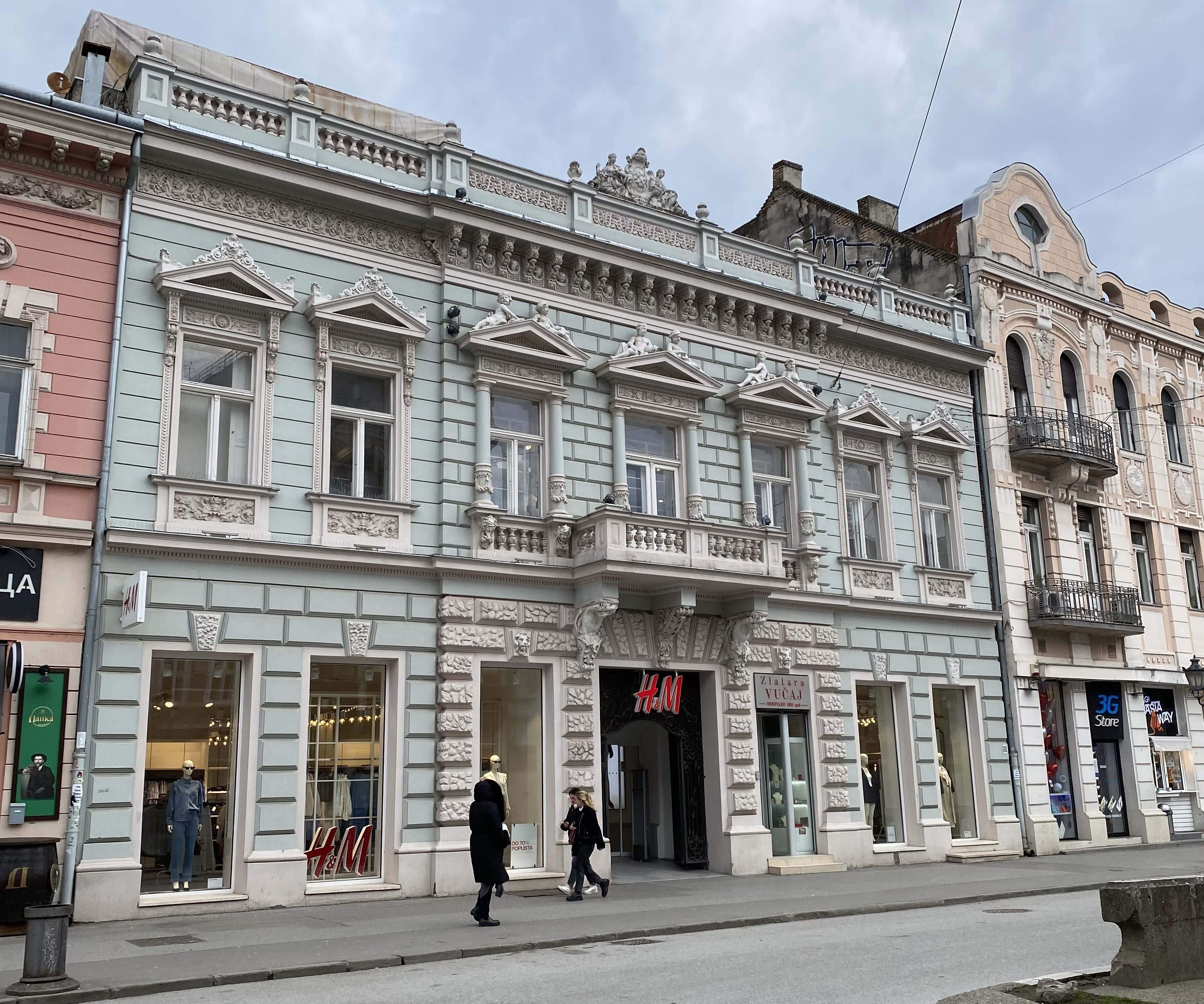
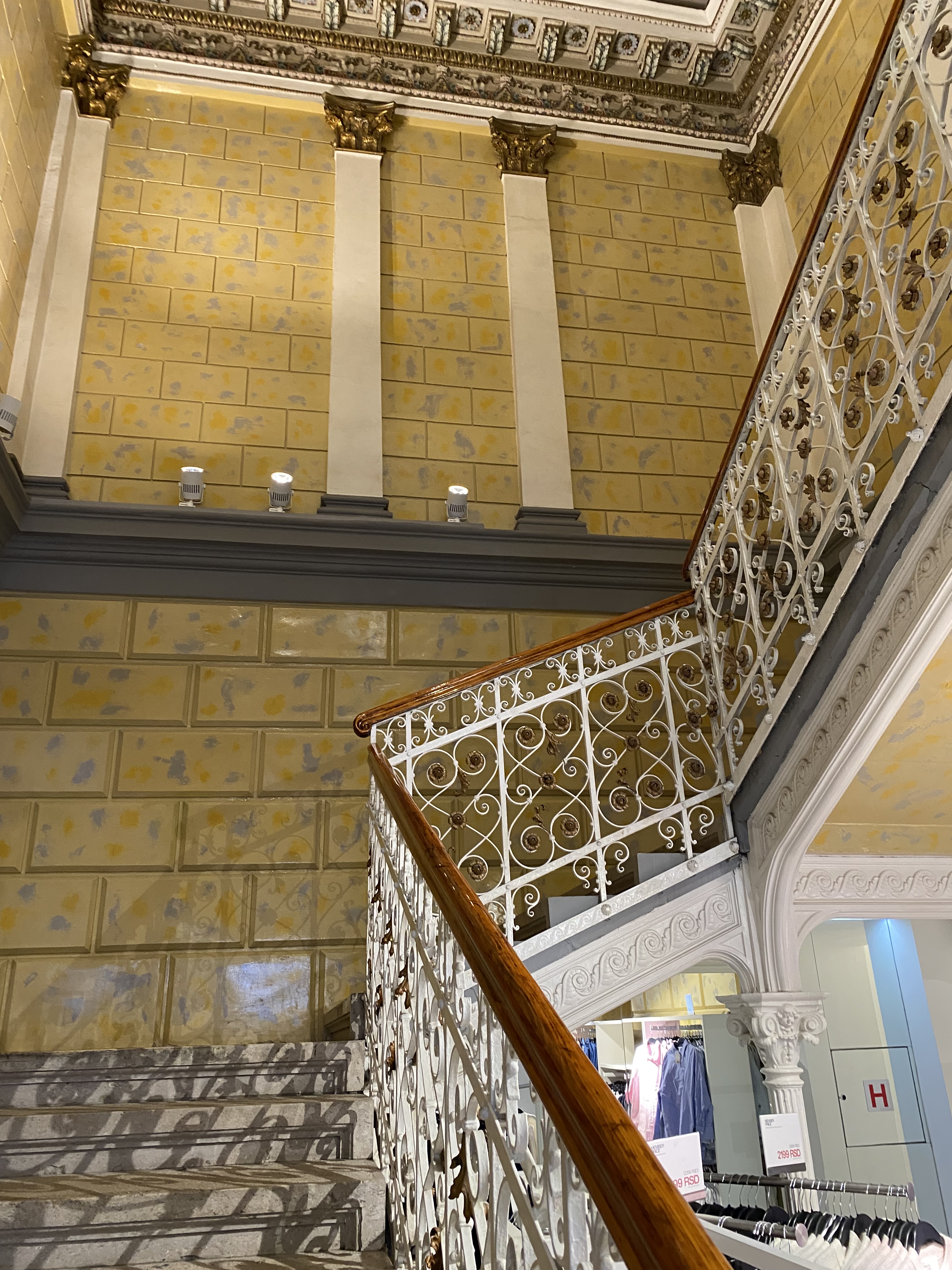
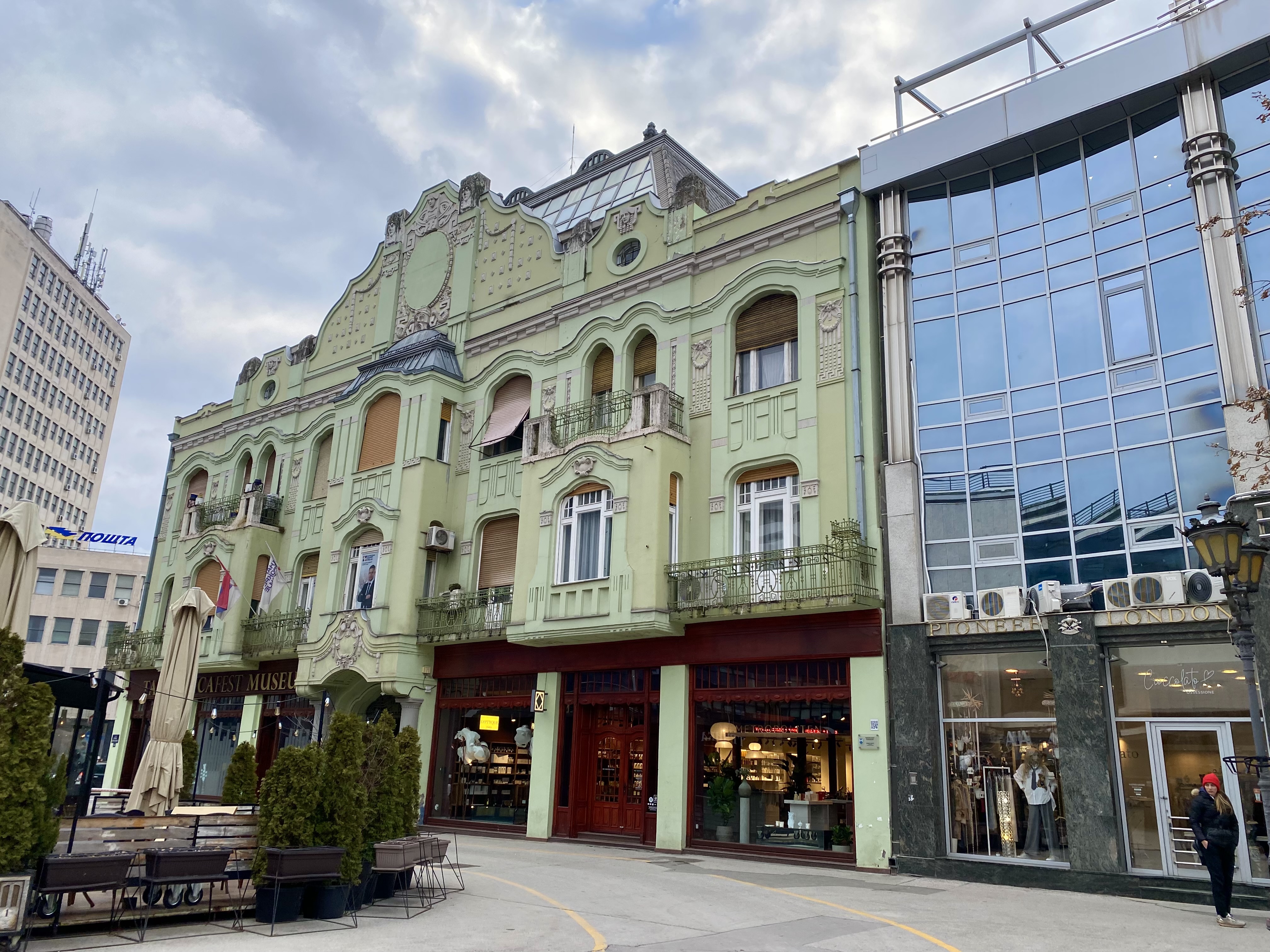
We also went into one of the most beautiful H&M stores in the world. Occupying two stories of a 19th century palace, original flourishes remain, including an ornate ceiling fresco in the stairwell. Cherubs and cheap sweaters are on view. It was a day of being followed – somehow our group attracted the interest of the store’s security guard, who kept a wary eye on us both downstairs and upstairs.
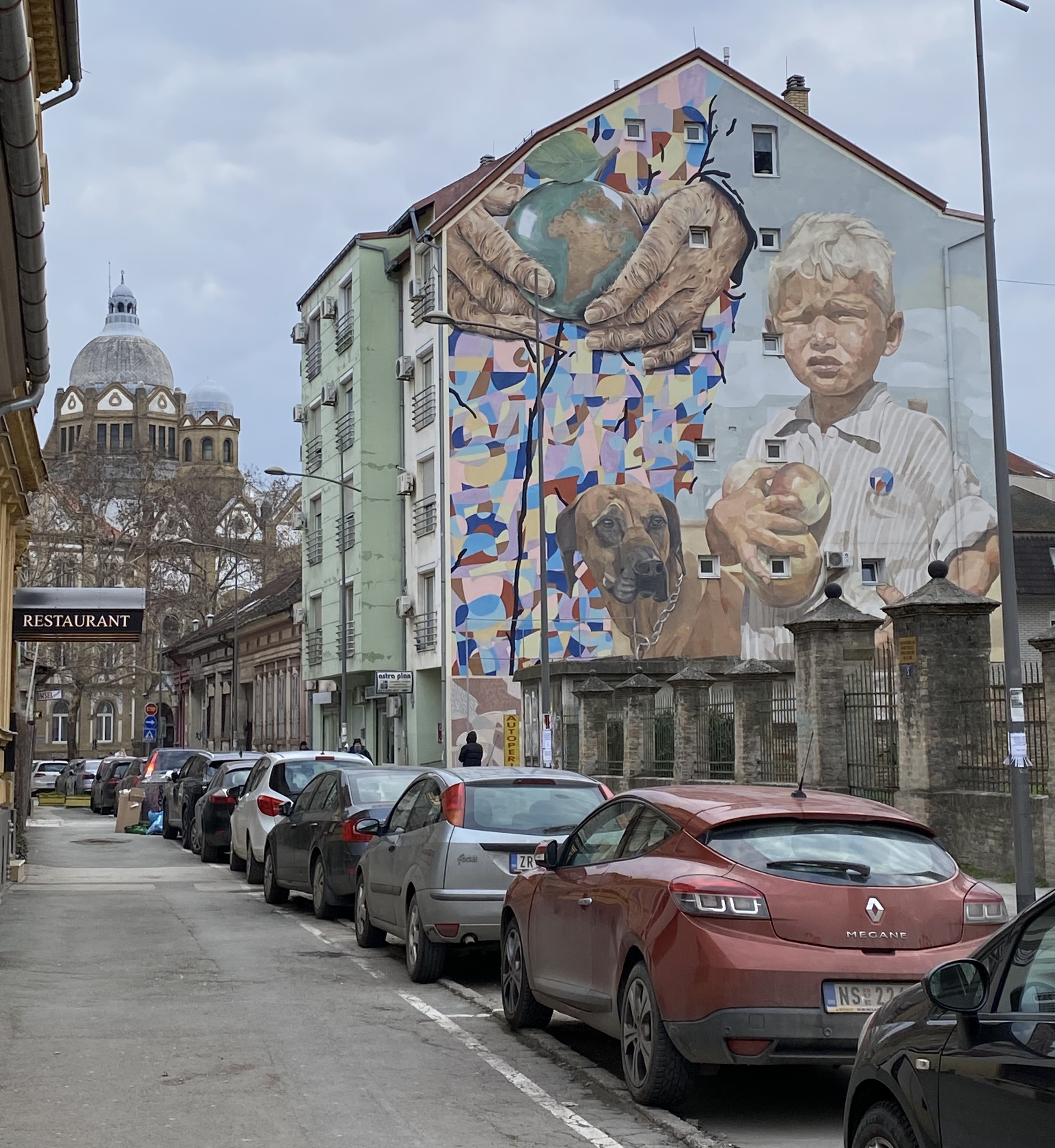
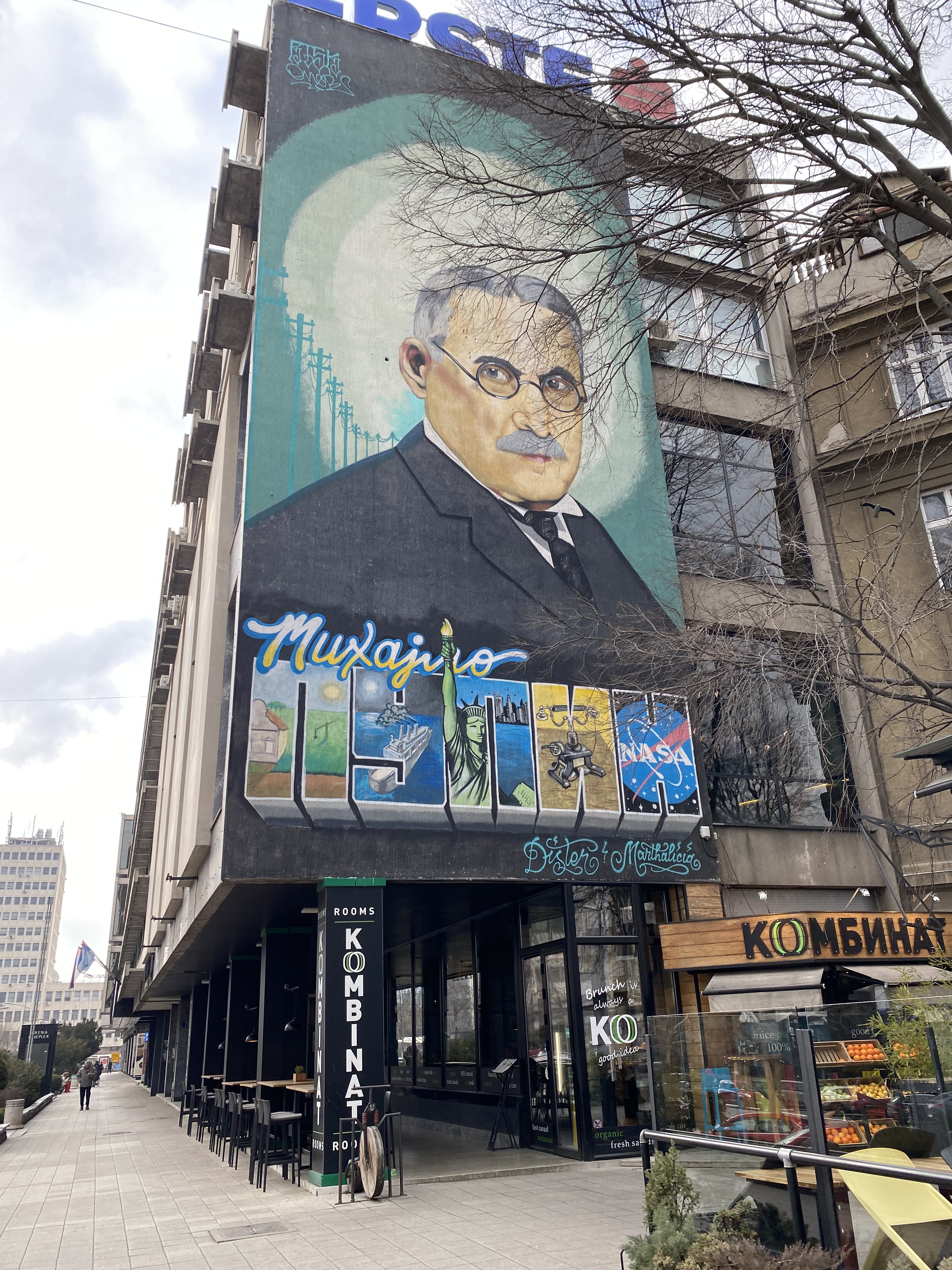
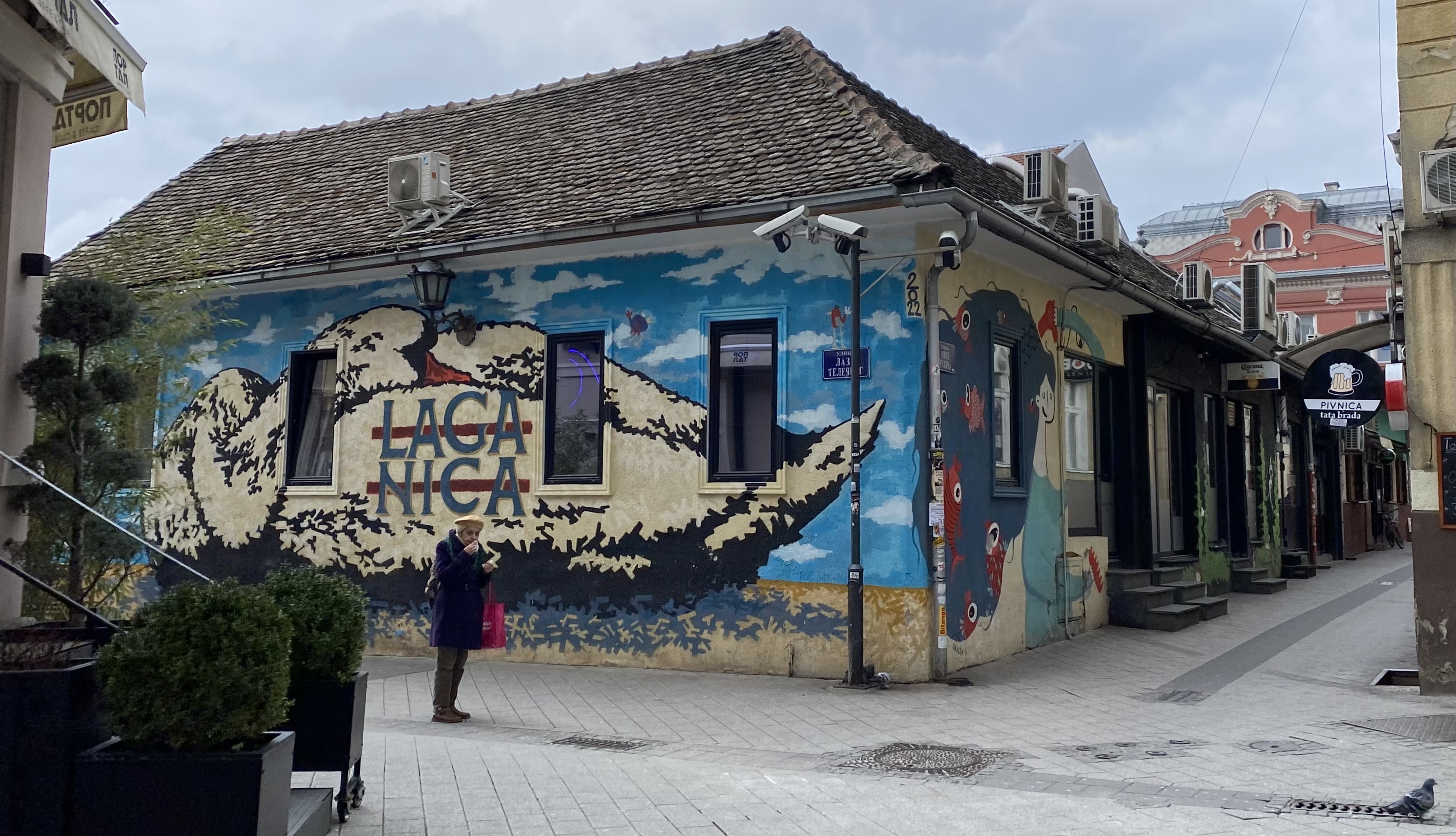
At the end of the day, on our ill-advised trek through the city to the closed station, we spotted a few of the modern murals which Novi Sad is also known for, including this one of a very confused boy eating an apple.
Ours was a fairly quick day trip so we missed a few of the city’s highlights, including the Museum of Vojvodina and the Novi Sad Synagogue. It’s a shame we weren’t able to stay longer and do a deeper dive into the city. The day may not have gone entirely to plan but it was a meaningful and memorable highlight of our week in Serbia.
If you’ve been following along through this series, you know the drill: Photo dump below. (For my next and final post in this series, I plan to write about our overnight road trip to Romania and impromptu visit to a medieval Serbian castle.)
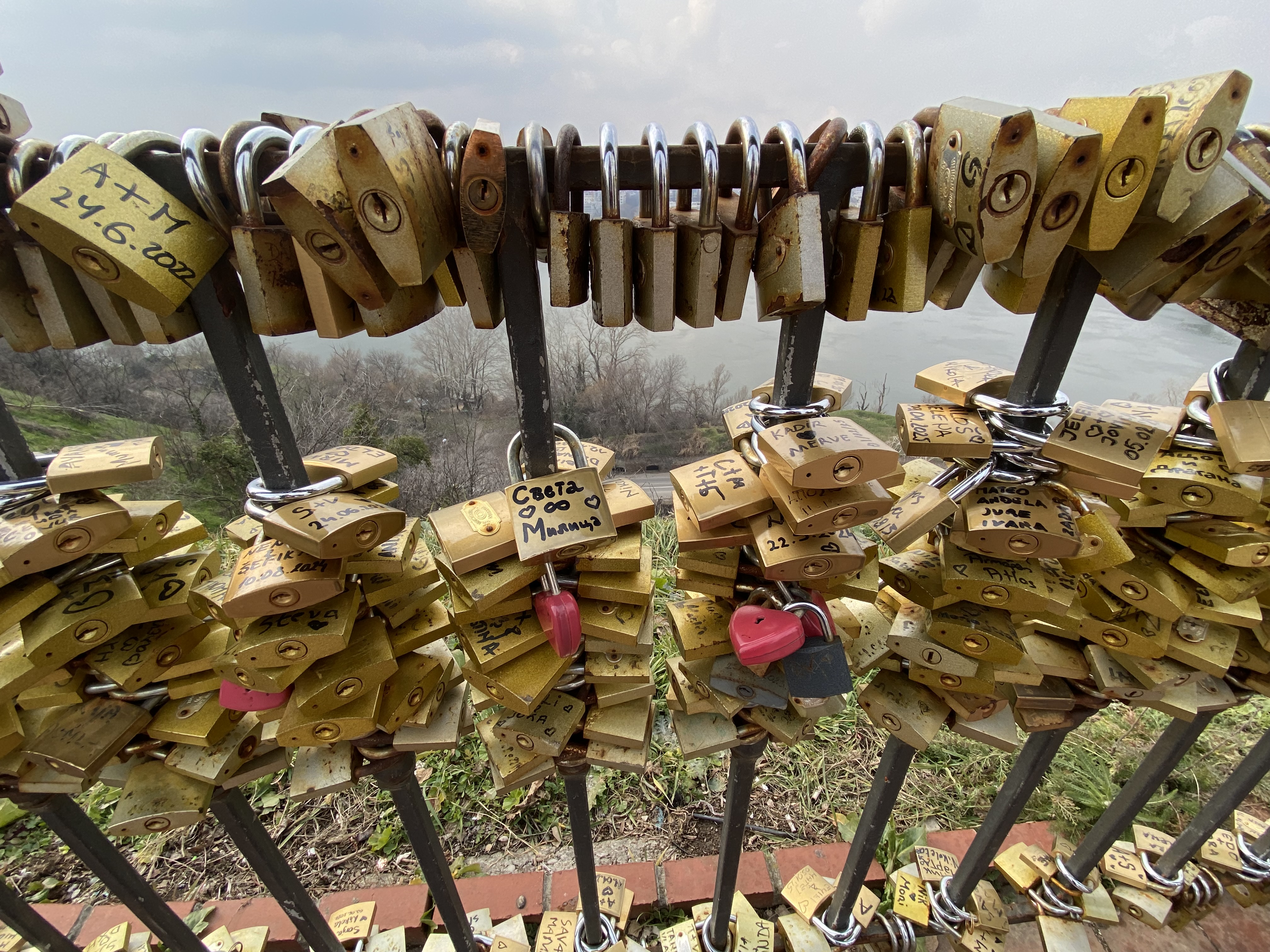
Petrovaradin Fortress
City Museum
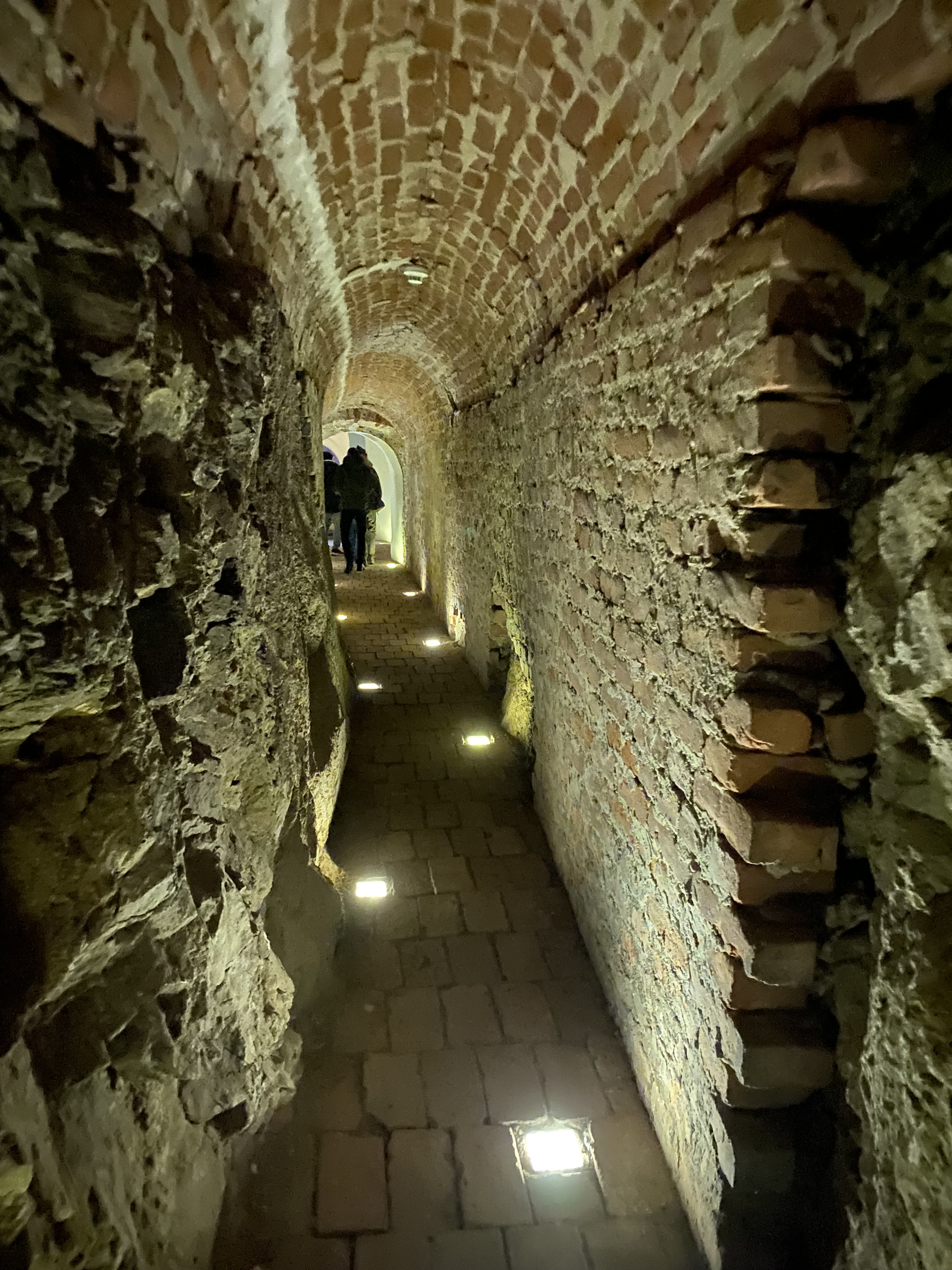
Petrovaradin
H&M – Novi Sad
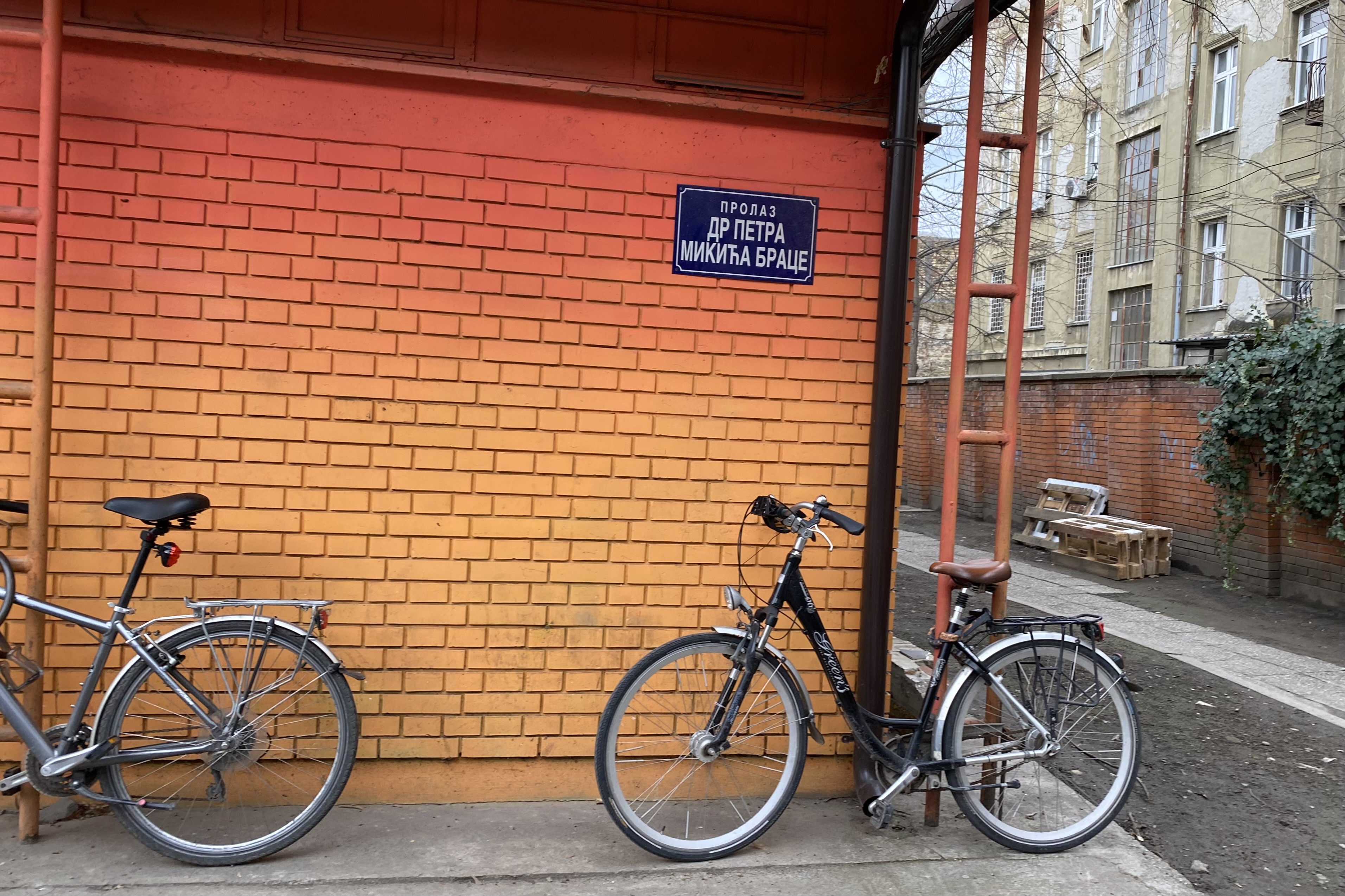
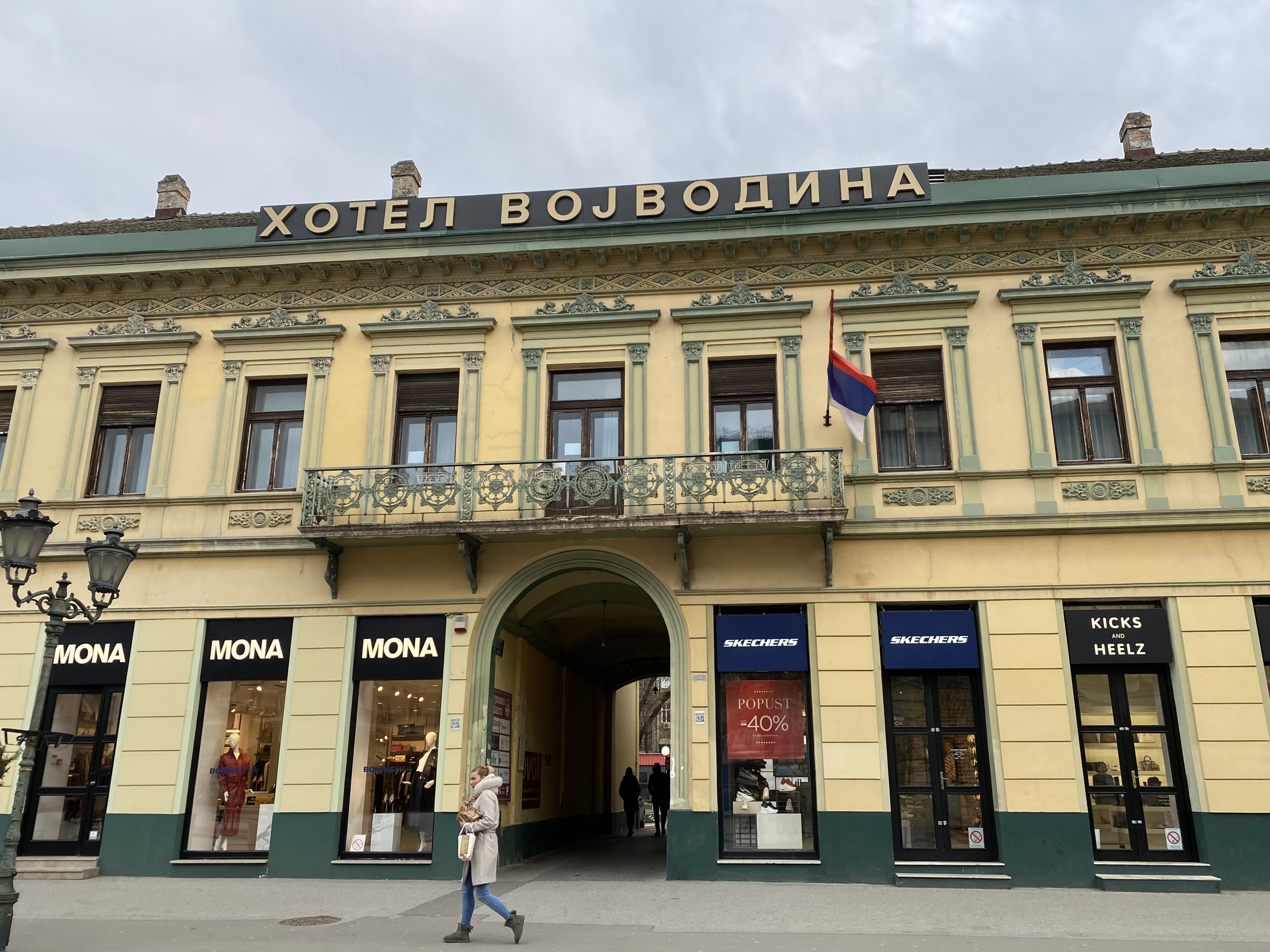
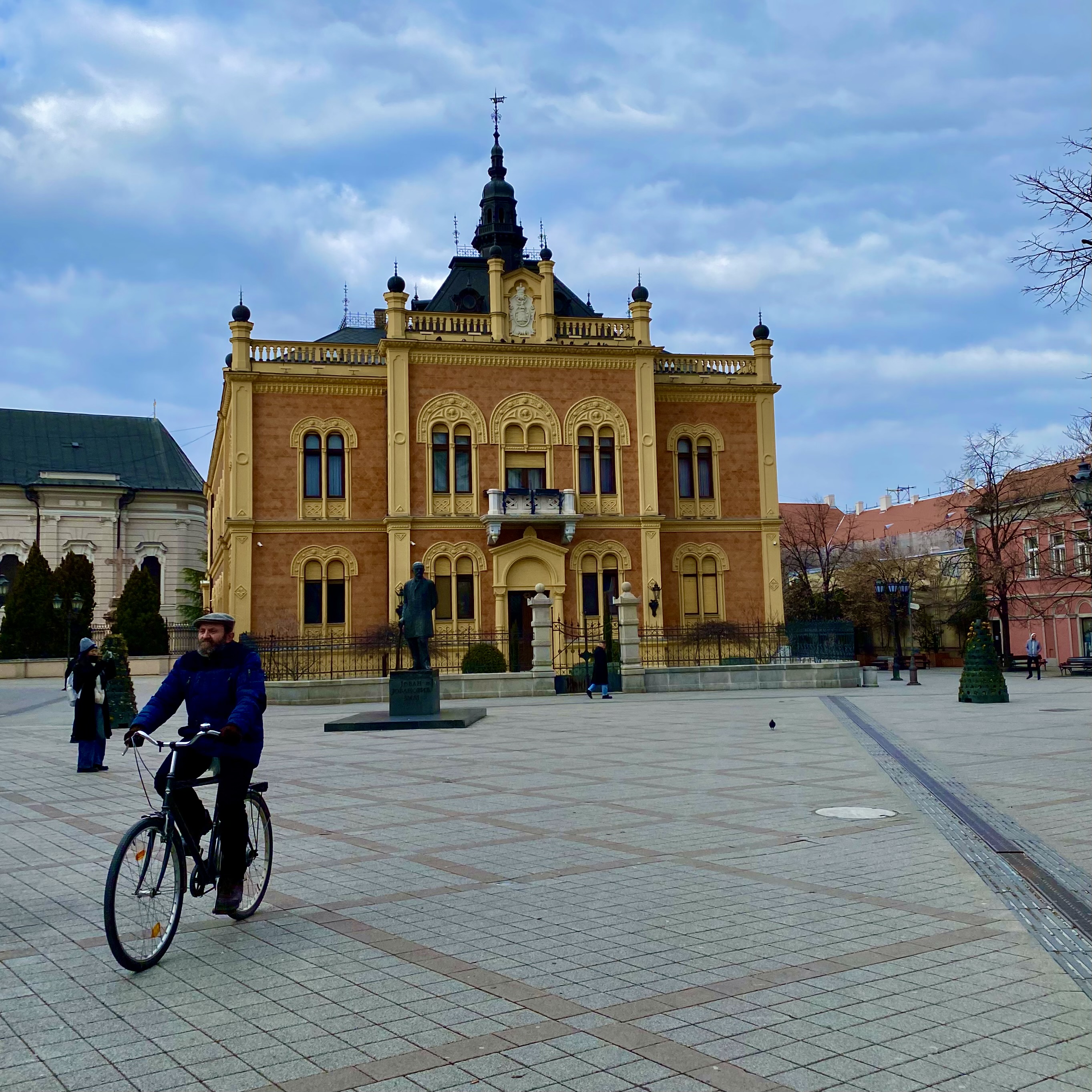
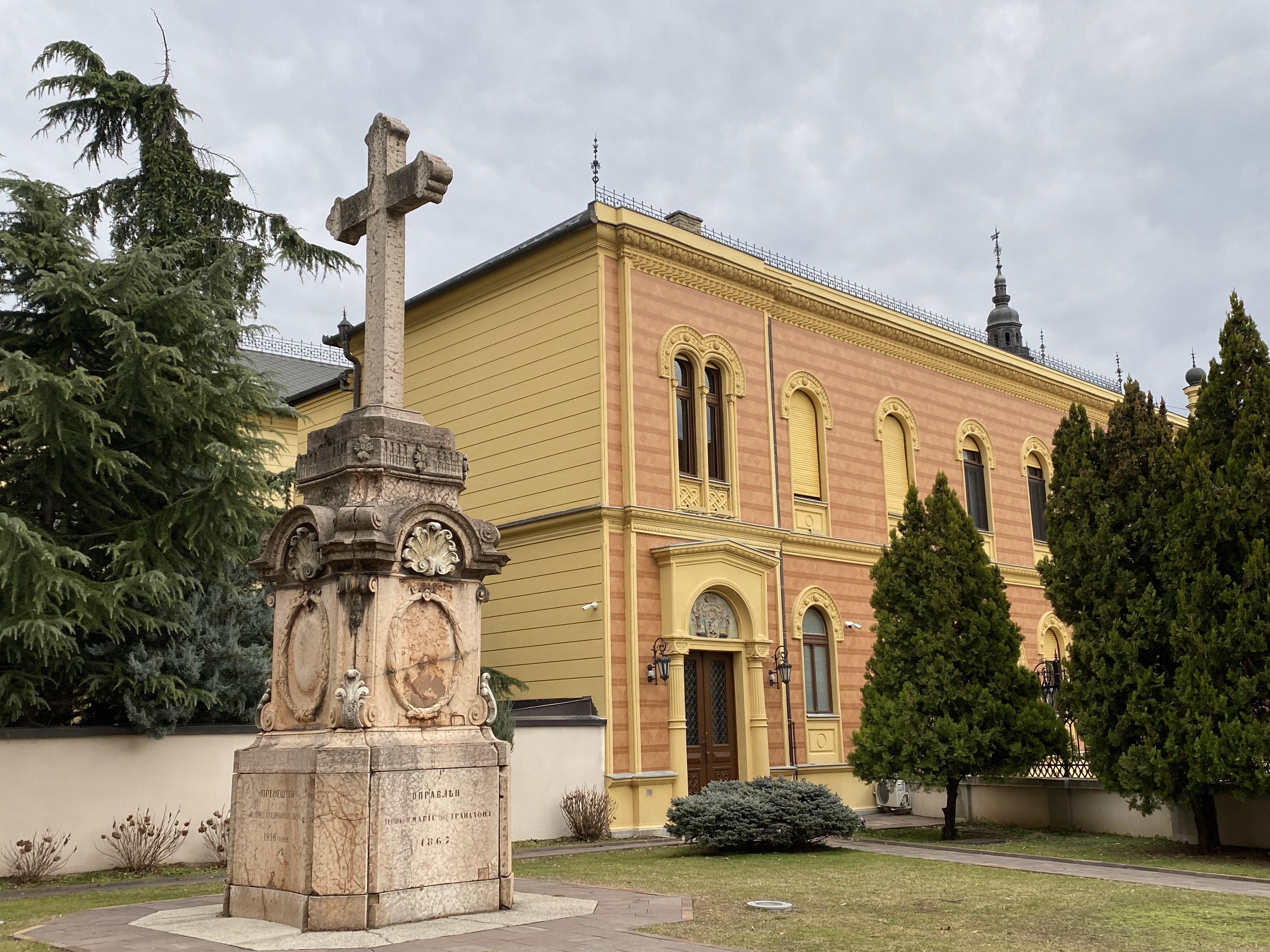
Novi Sad – Out and about


You must be logged in to post a comment.