One of the highlights of the tourist trail in Kuwait is the Grand Mosque, a massive structure in the central city which can hold 10,000 men on the main floor and nearly 1,000 women in the women’s hall. It is easily the most beautiful building I’ve visited in Kuwait. I’m so glad we managed to fit in a visit prior to moving from here.
The mosque is open to visitors for limited hours per week, primarily 9-11am and 4-6 pm on Sundays through Thursdays. Finding a time to go has been a bit of a challenge, as we couldn’t just head over on a weekend. (Weekends are Friday and Saturday here.) With time running low in Kuwait, we finally prioritized a visit.
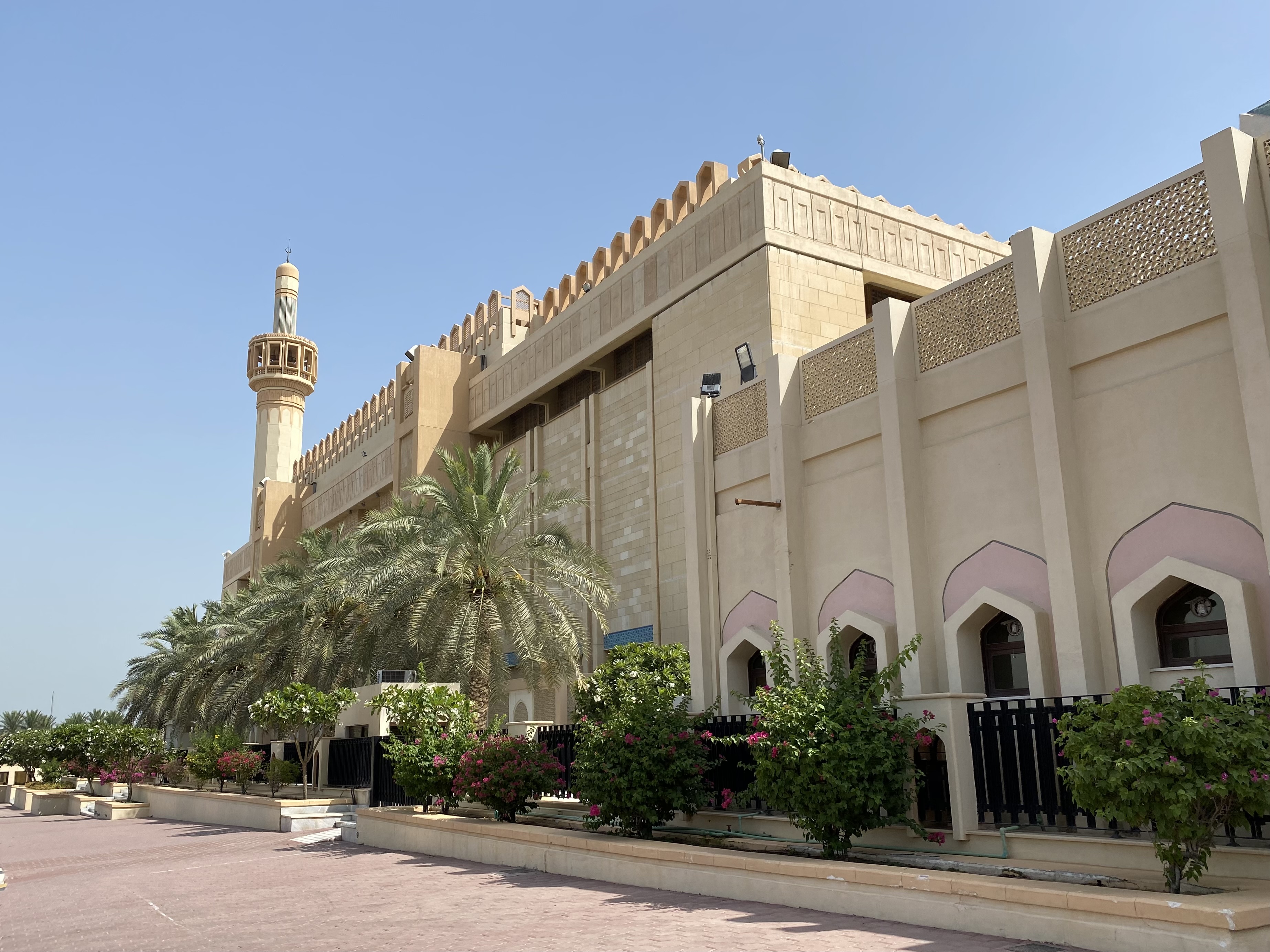
We went with another couple and hoped for the best in terms of it being open. Thankfully, all went to plan, although we did approach the wrong entrance gate and had to have a guard direct us to another corner of the grounds so we could enter the courtyard. The Grand Mosque sits on a 45,000 square meter plot of land, just across from Al-Seif Palace, a complex dating back to the 19th century as a home for the Kuwaiti government. In arial views, you can see the Arabian Sea glittering in the near distance. The building itself is 20,000 square meters and is covered in light-colored stone.
We were warmly greeted and invited to enter a small waiting area, where a Muslim tour guide offered to give us a free tour in just a few minutes. My friend and I were directed to a robe closet in the back, where another woman dressed us in abayas (full robes) with head scarves pre-attached, which she arranged over our hair. (Men who arrive in shorts are given wraps for their legs.) The waiting room was outfitted with benches covered in red fabric woven in traditional patterns and overlooked a lush garden. Tea, coffee and water were all on offer.
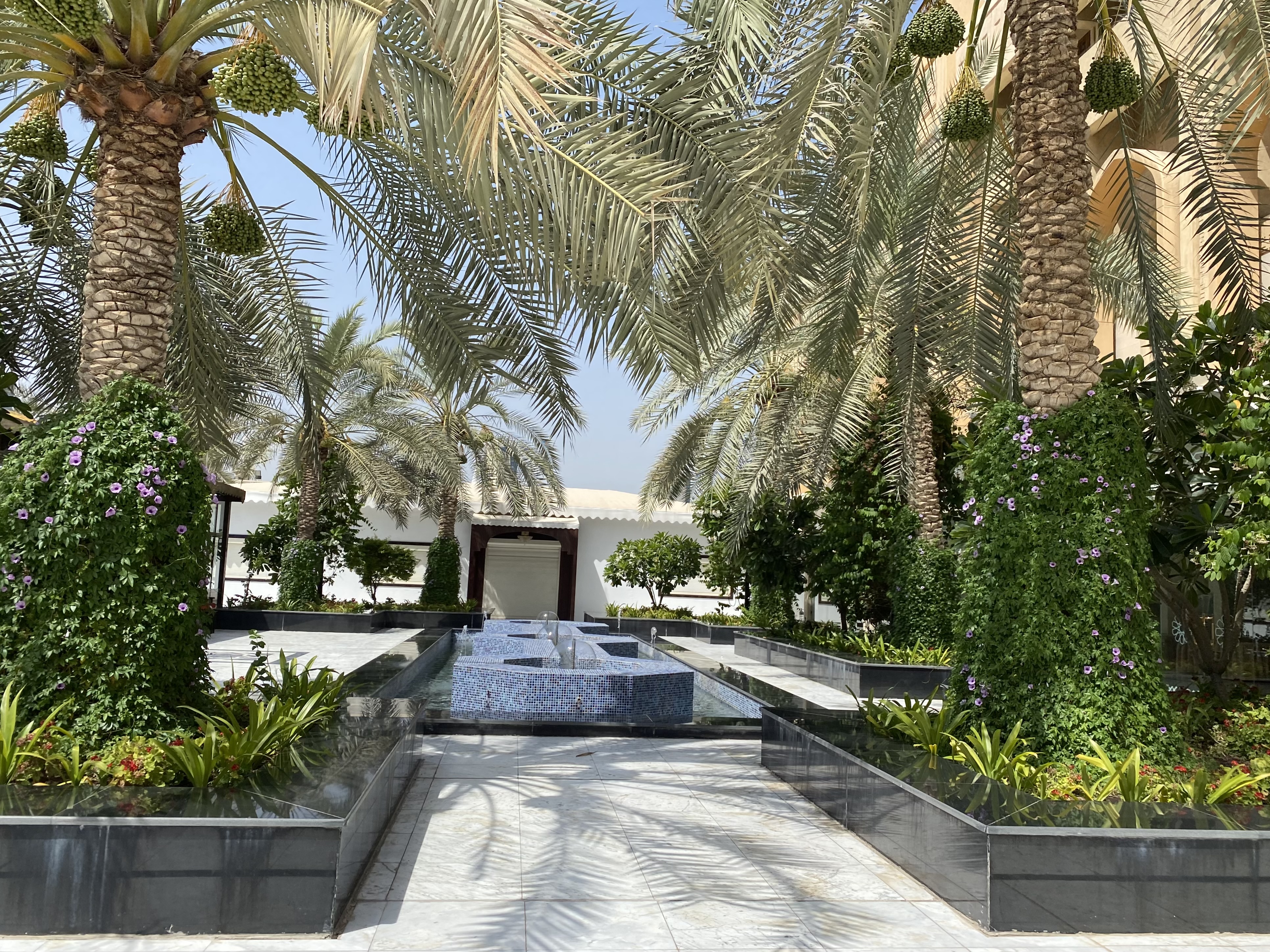
Our guide led us and a small group of other Western tourists out through an open courtyard across shiny cream-colored tiles and into a covered portico just outside another entrance. We all removed our shoes and placed them in cubbies, a process followed at every mosque I’ve visited. It’s hygienic, given that prayers are conducted on the floor and include placing your forehead on the ground.
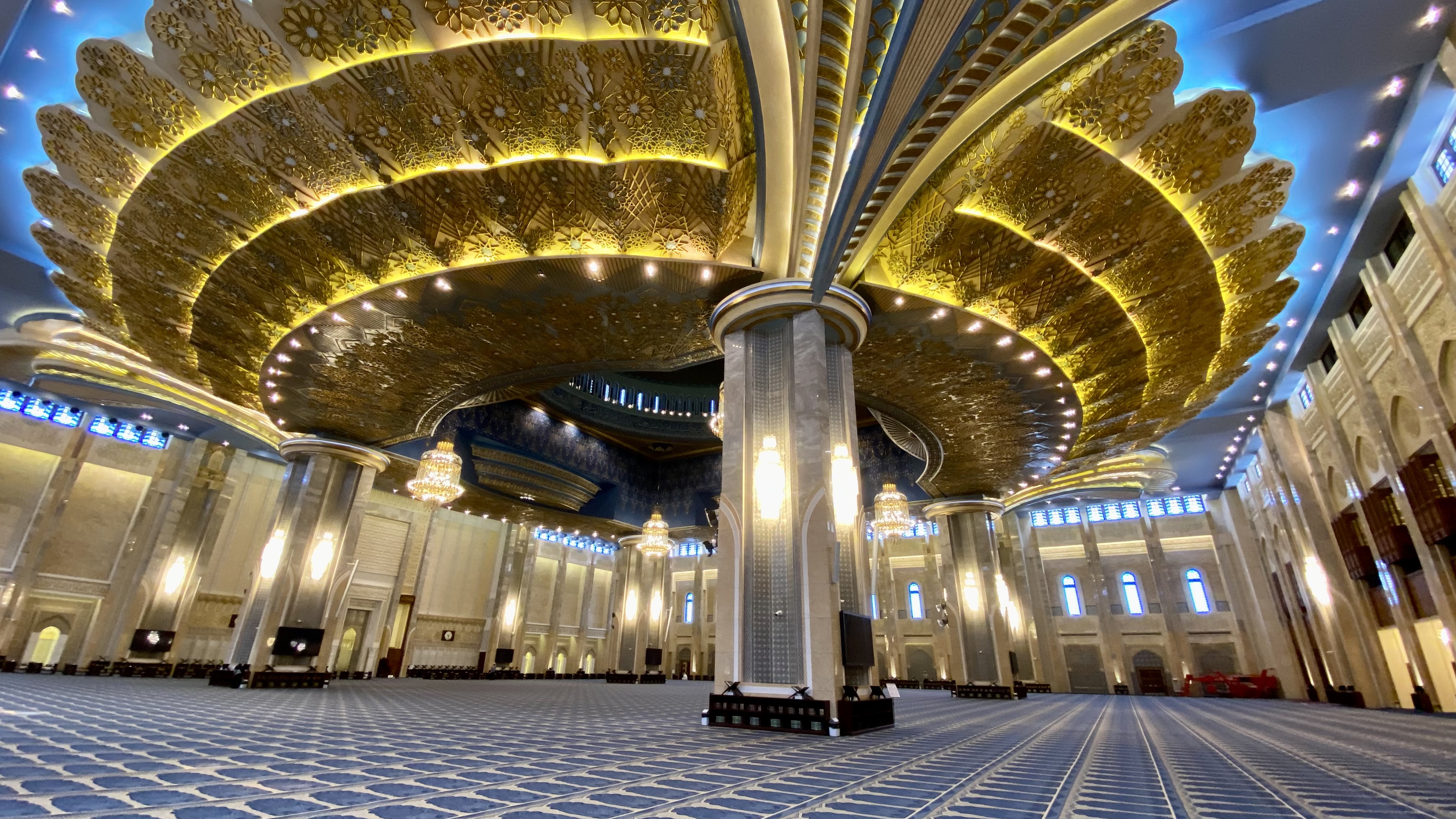
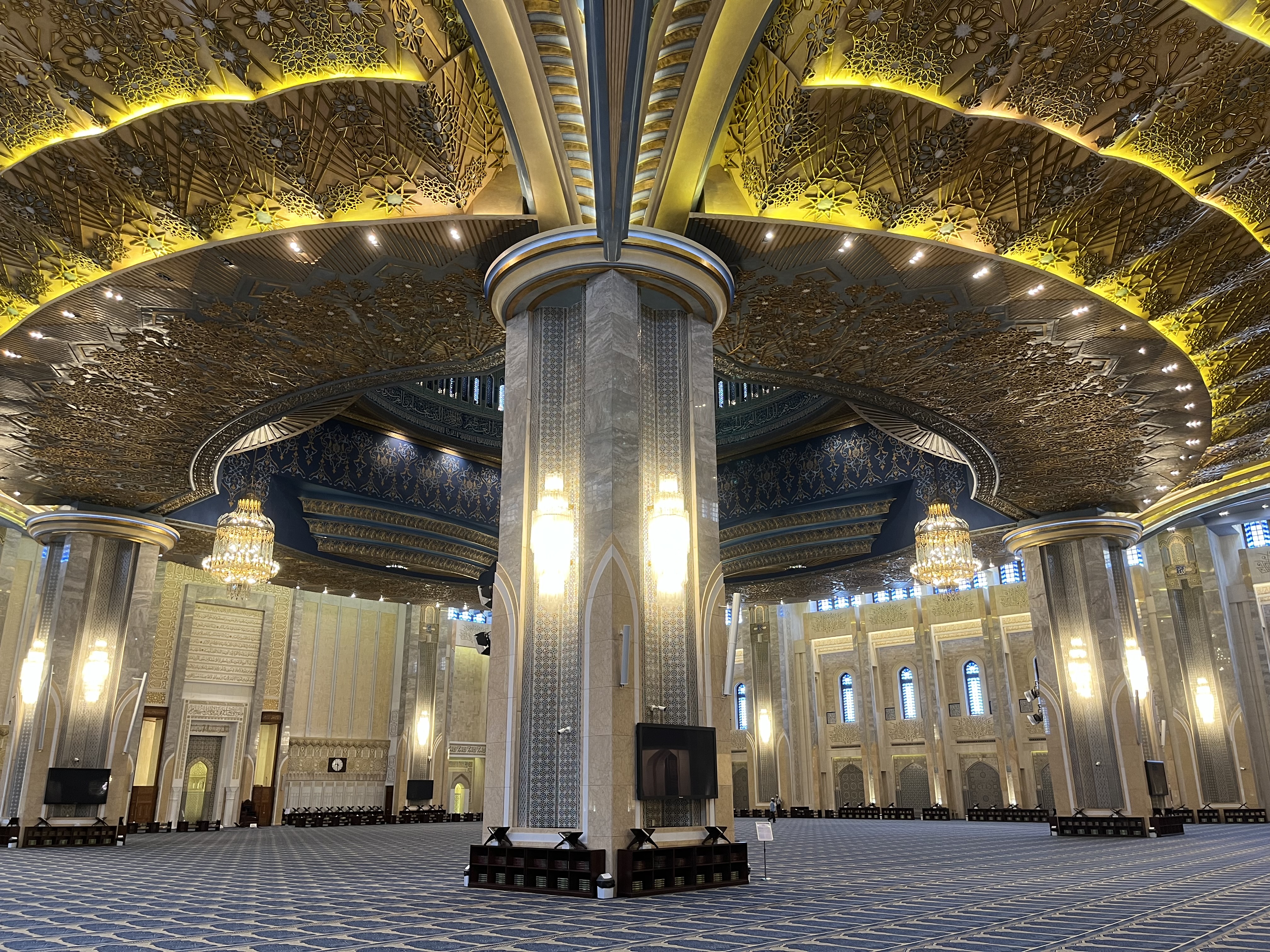
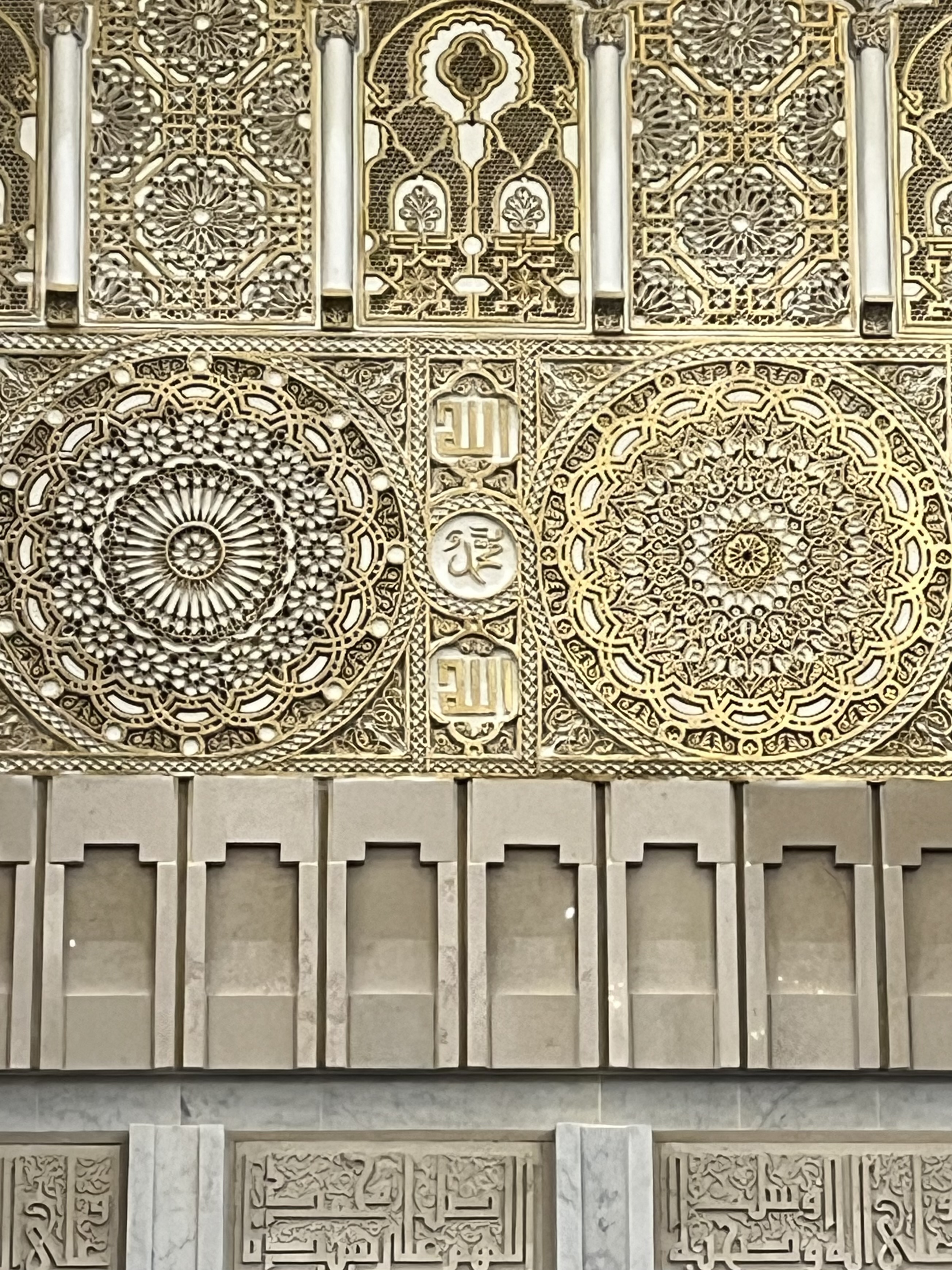
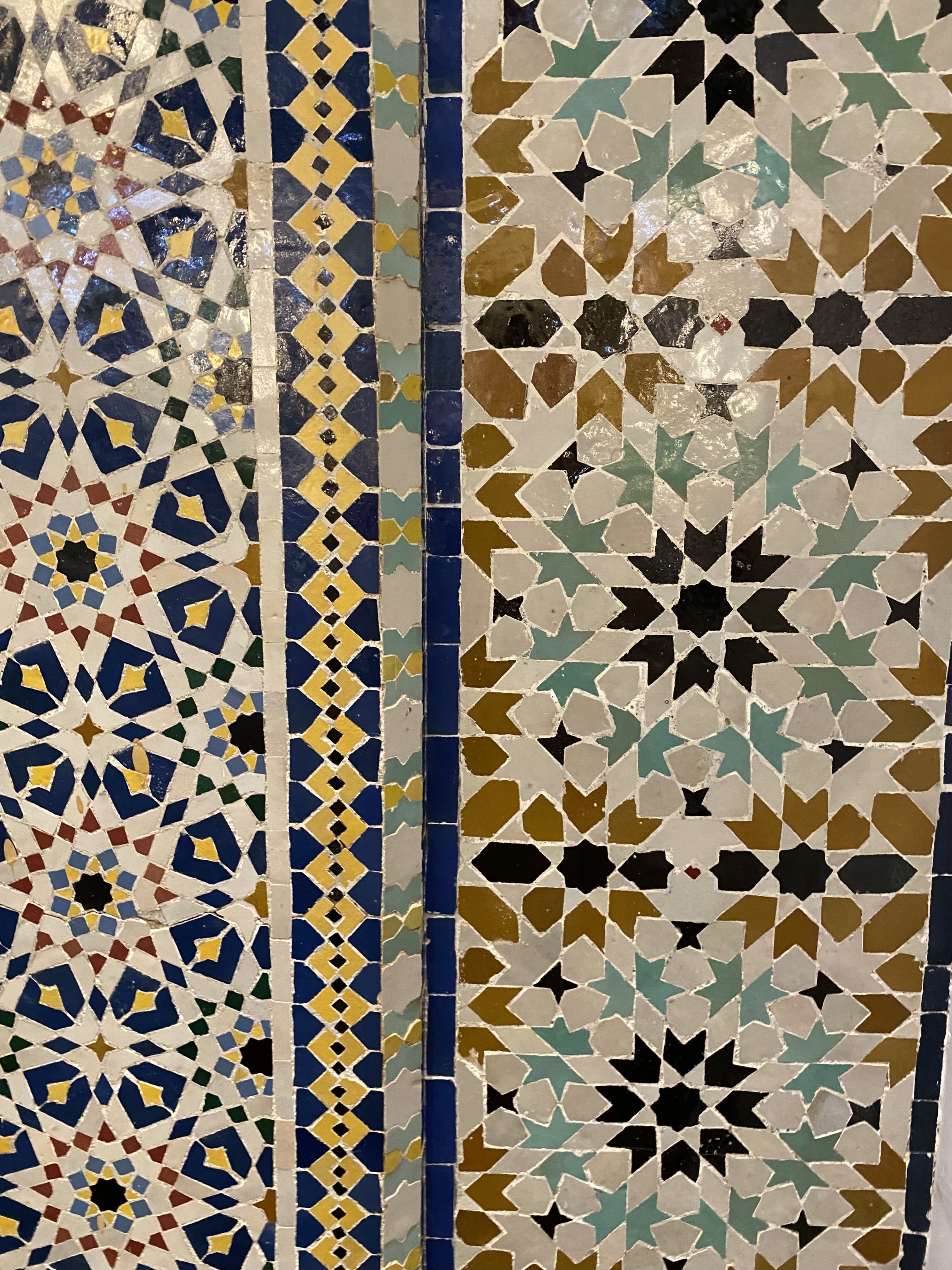
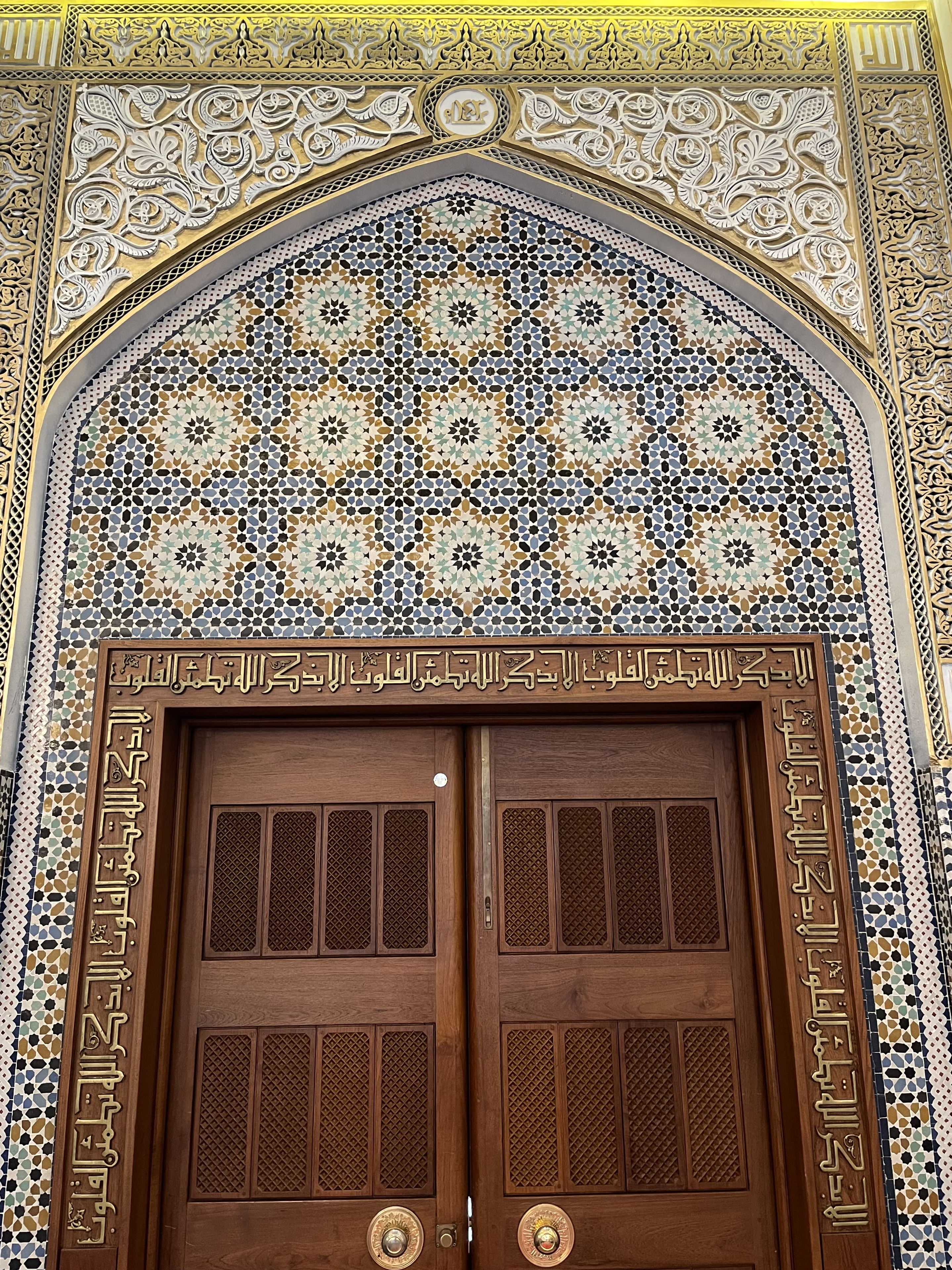
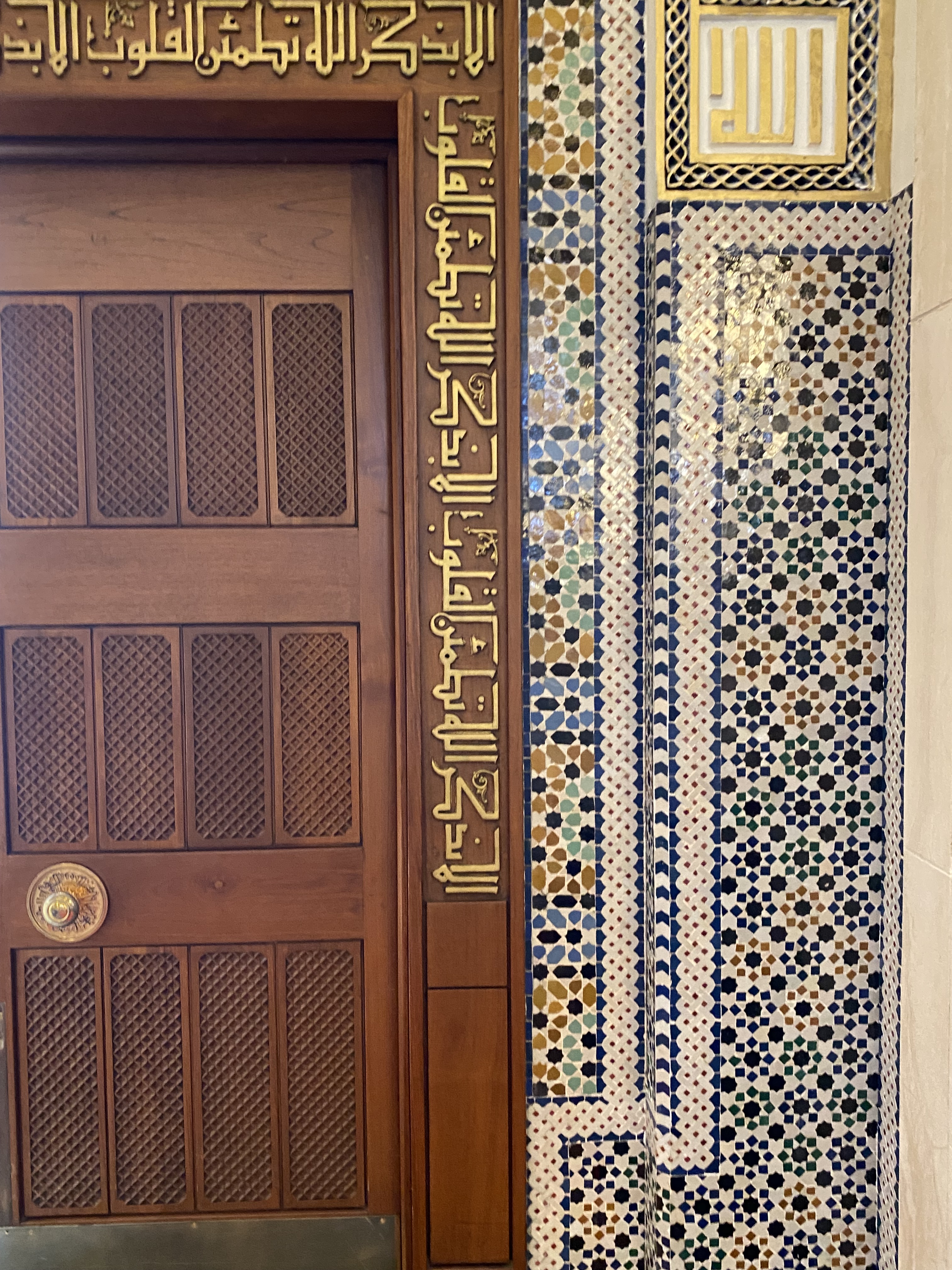
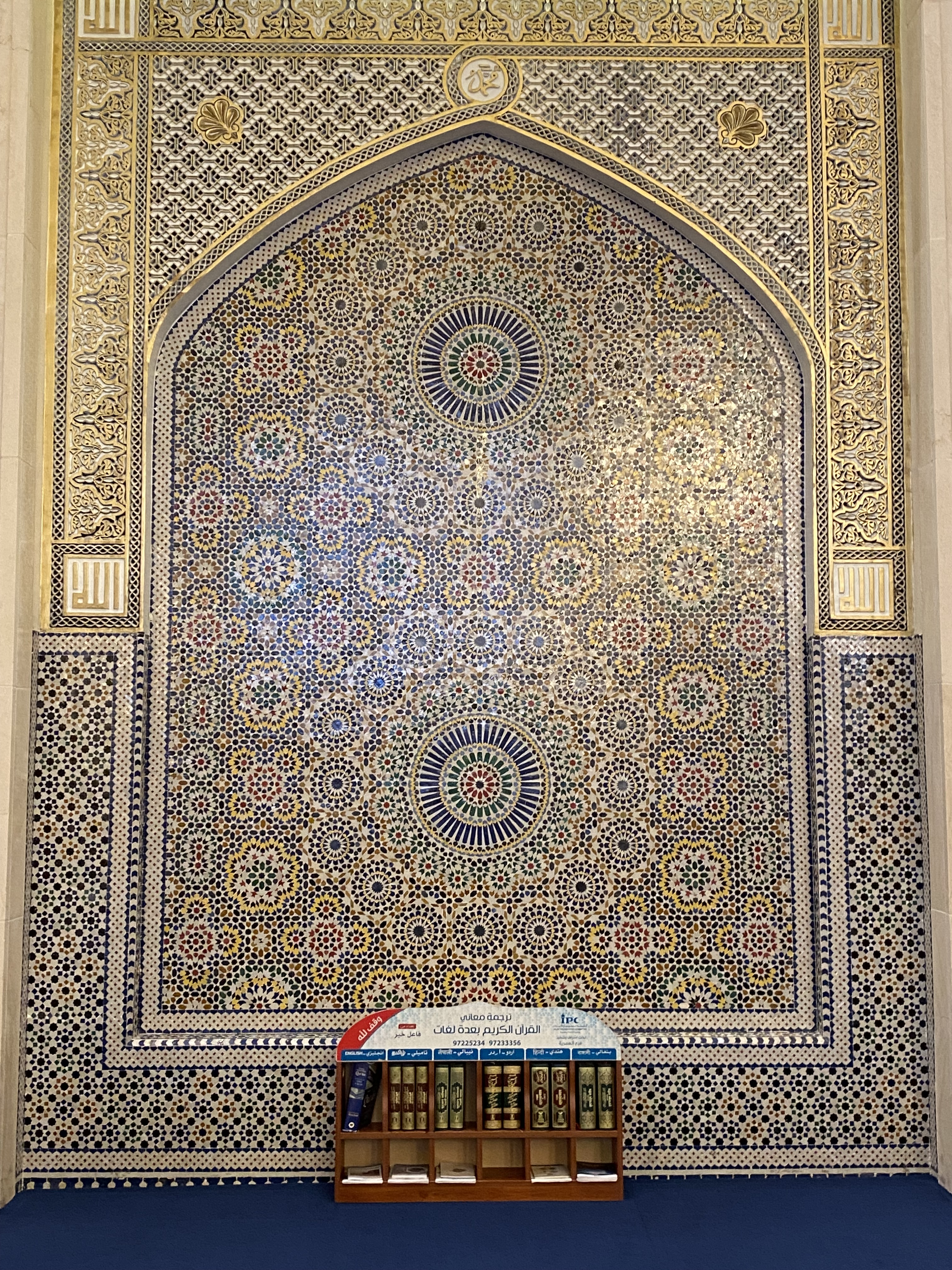
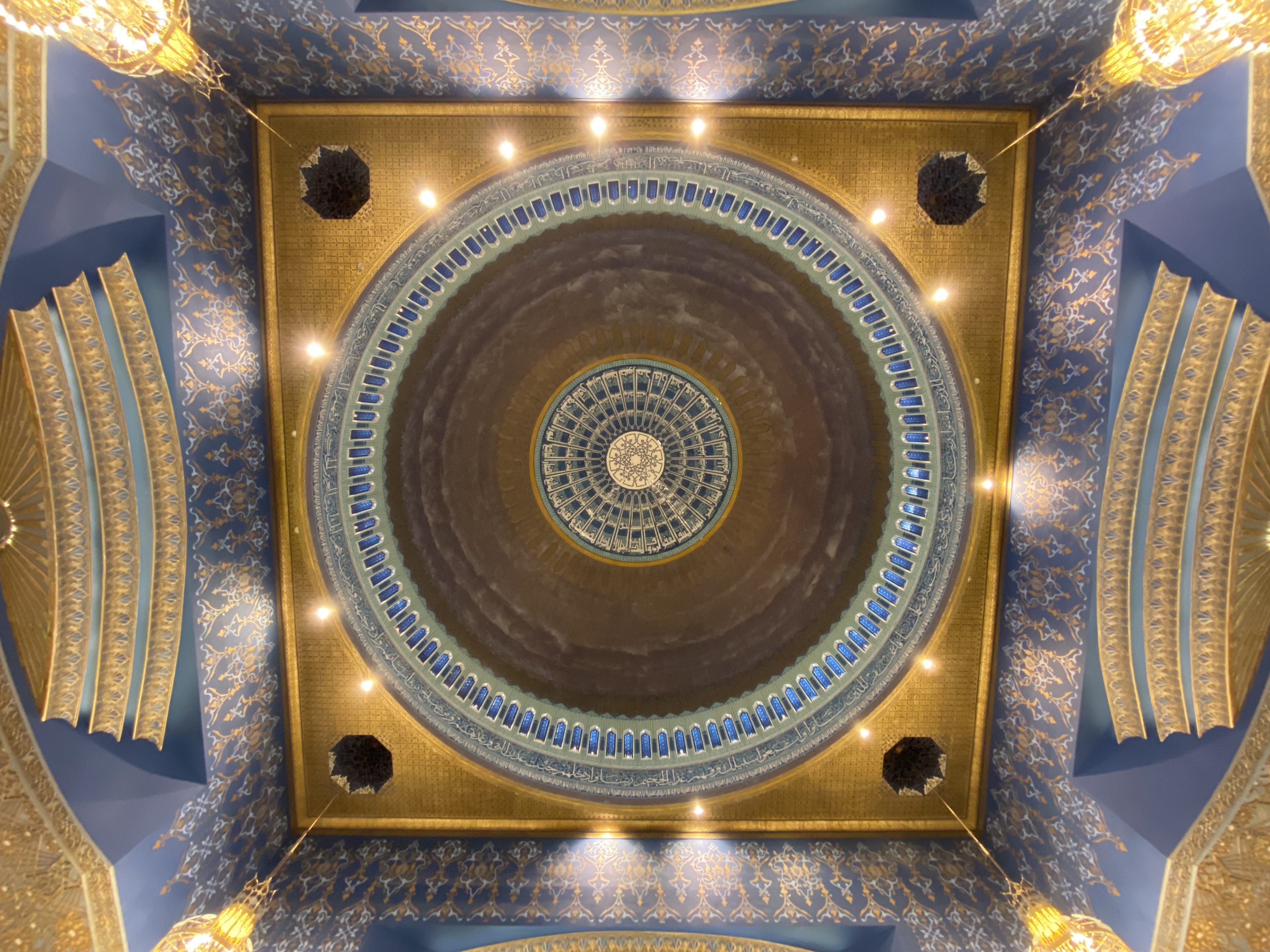
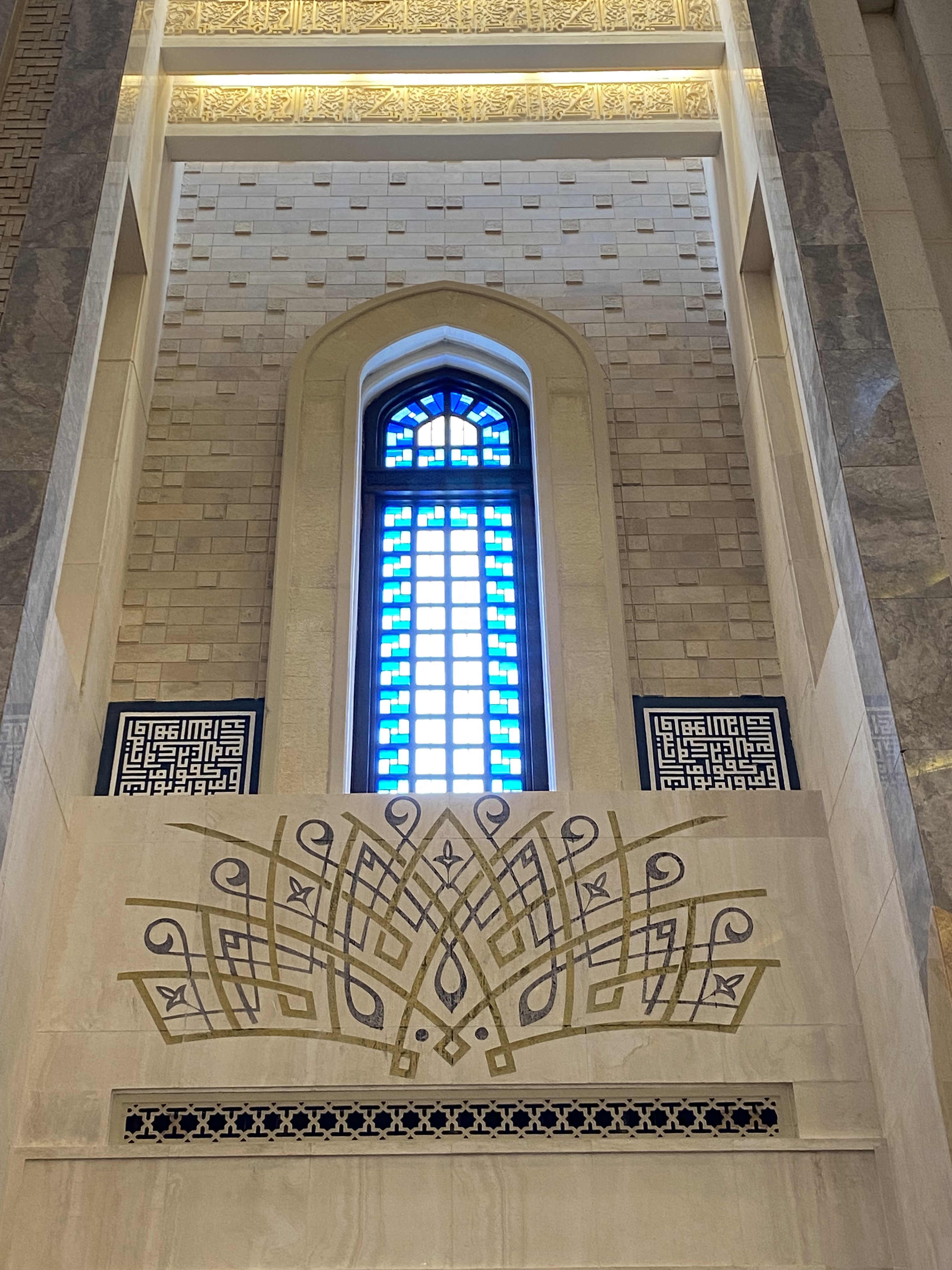
We entered the prayer hall into a surreal environment. The interior is immense, carpeted entirely with a richly patterned royal blue carpet with a golden pattern overlay. Two-thirds of the soaring walls are marble and stone, interspersed with blue, green and gold tiled mosaics and ornately carved panels of wood, with the top third painted royal blue and adorned with gold and white calligraphy. Massive 22-meter-high marble pillars hold up a ceiling which cascades out in golden waves like the petals of a rose, with a domed center whose tip is 43 meters above the ground. Also dripping from the ceiling are four immense chandeliers. Natural light comes in through 144 high windows. To say the experience is a little overwhelming is an understatement.

Our guide explained that construction on the mosque began in 1979 and was completed in 1986. The mosque cost roughly $46 million to build. It was an international effort, with Moroccan mosaics, German chandeliers, teakwood doors from India, French stained glass and Italian marble.
She gave us plenty of time to take it all in and to engage in futile attempts to capture its opulence using our cell phone cameras. She walked us through to a few areas, sharing how the niches in the walls carried sound for religious teachers and could be used traditionally for small student groups. The main niche is for the Iman and allows for acoustics which could send his voice throughout the hall. Most Kuwaitis pray in local neighborhood mosques, but the Grand Mosque is popular for major religious observances, such as Ramadan.
After the prayer hall, our guide invited us to follow her to a small museum on site. She led us across another courtyard and through another door. On the second floor, we entered into an elegant, marbled room whose walls were lined with framed calligraphy of Quran verses. In the center of the room there is a replica of the oldest Quran in the world. (The original was written during the 6th century and is now in Istanbul.) We were given plenty of time to admire the Arabic framed on the walls. It is a language which lends itself to display and gives calligraphers much license to interpret the letters to artistic effect. Our Grand Mosque tour ended with a return to the reception room, where my friend and I stepped back into the changing room and removed our abayas.
Mosques are a ubiquitous presence in Kuwait; I’ve seen estimates of there being nearly 1,500 mosques nationally. Roughly 75% of the population (citizen and non-citizen) are Muslim. We hear the call to prayer multiple times a day when we are out and about, and if I listen carefully, I can even hear it here within our home. It would have been a shame to leave Kuwait without viewing its main mosque. Seeing its interior is only a small piece of understanding the religious experience of my Muslim neighbors but I’m grateful to have had the experience during our short time living here.
Keep scrolling for a few of my photographs.
Exterior of the Grand Mosque:
Garden inside the courtyard:
One of hubby’s pictures of the interior:
Beauty in the details:
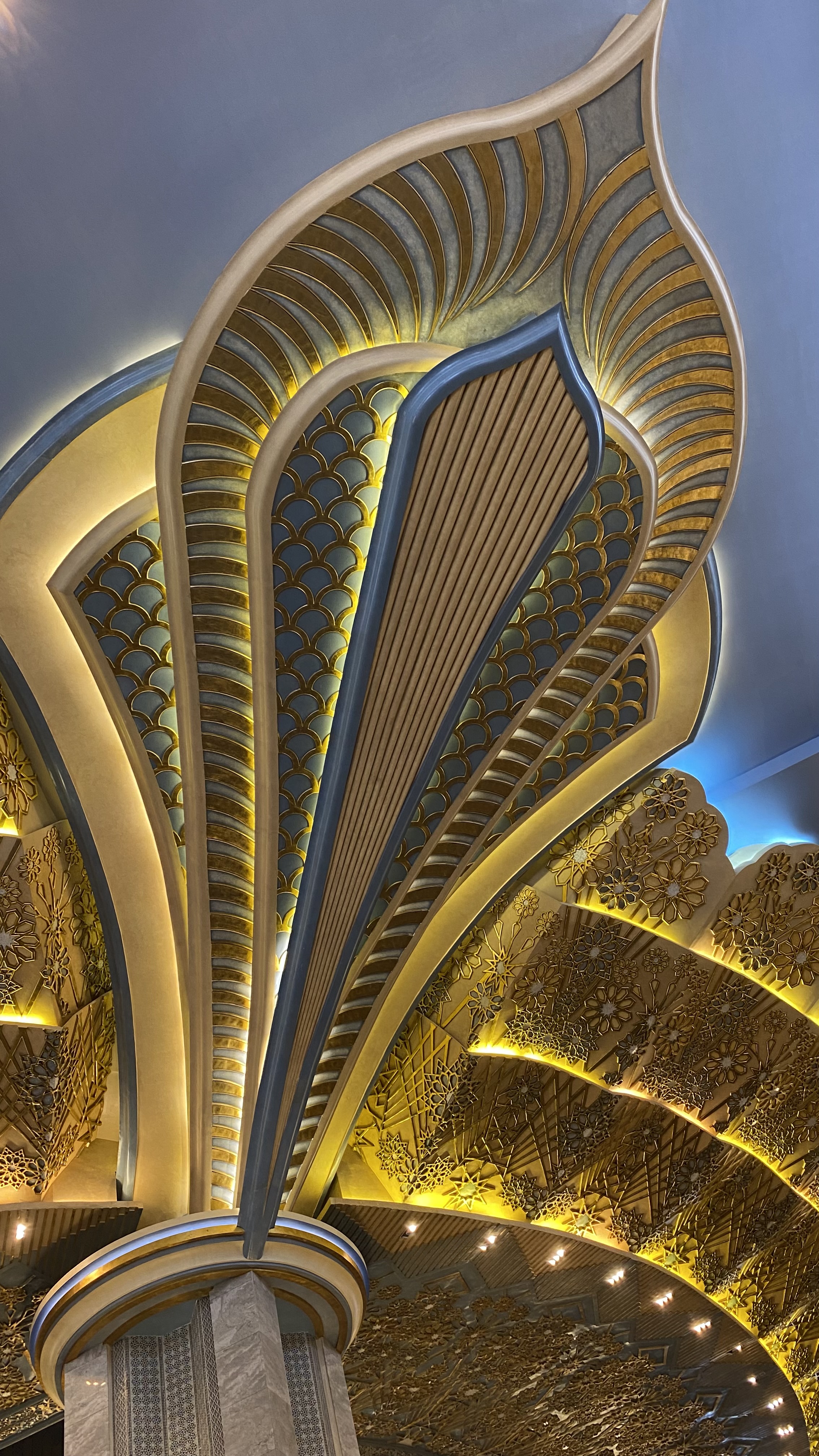
Looking up at the dome:

Courtyard:
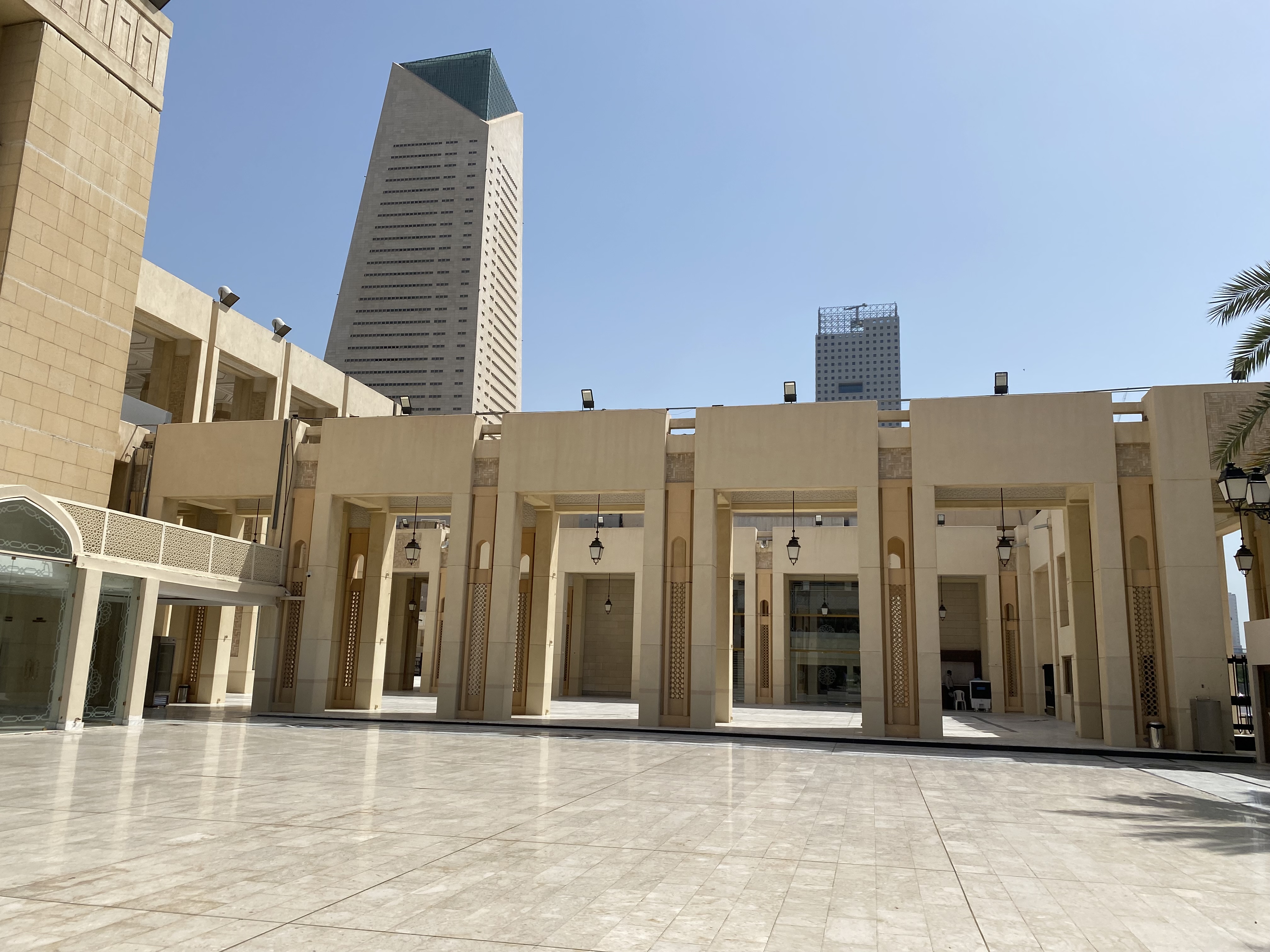
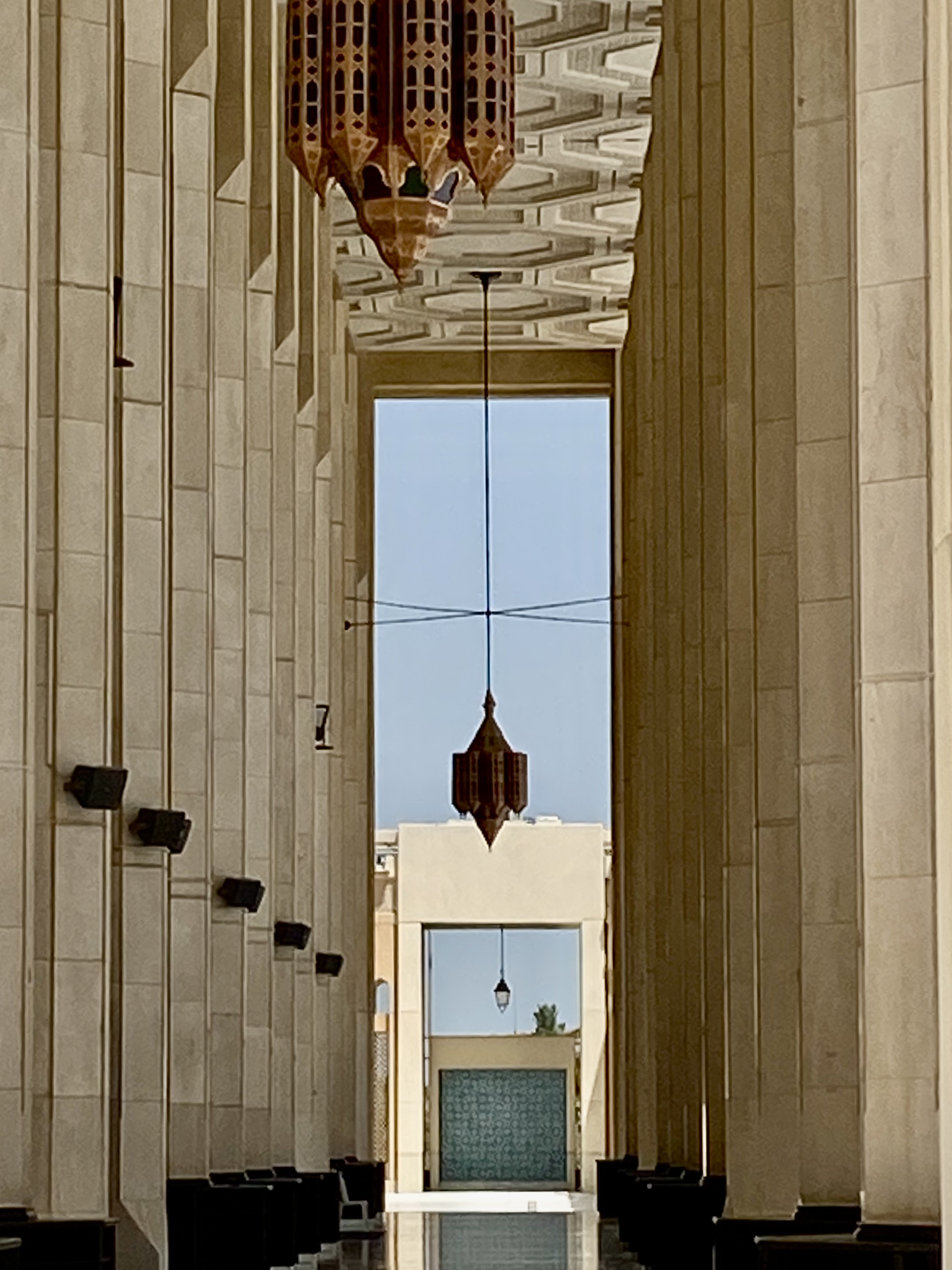
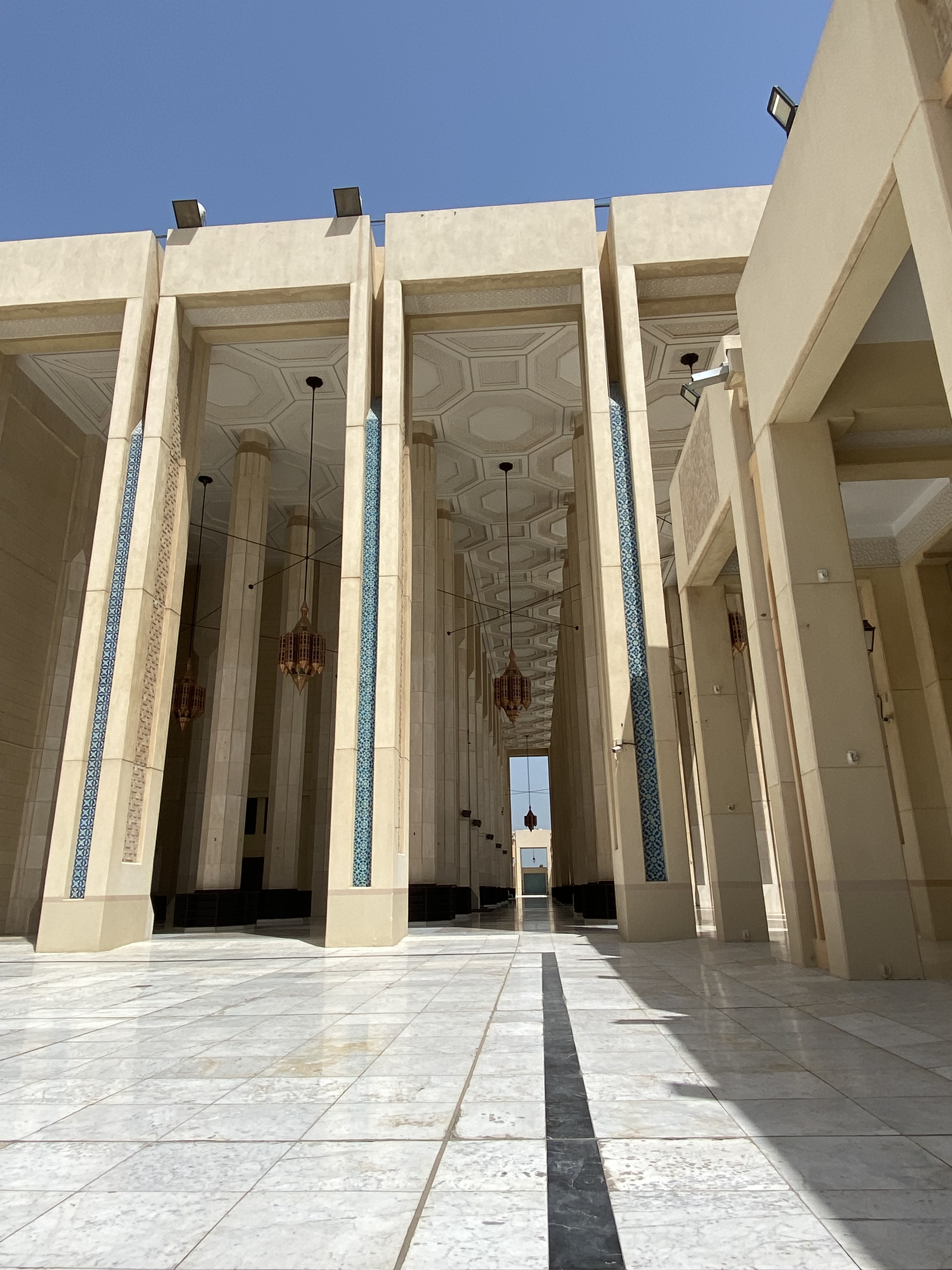
Interior space outside of the museum:

Museum:
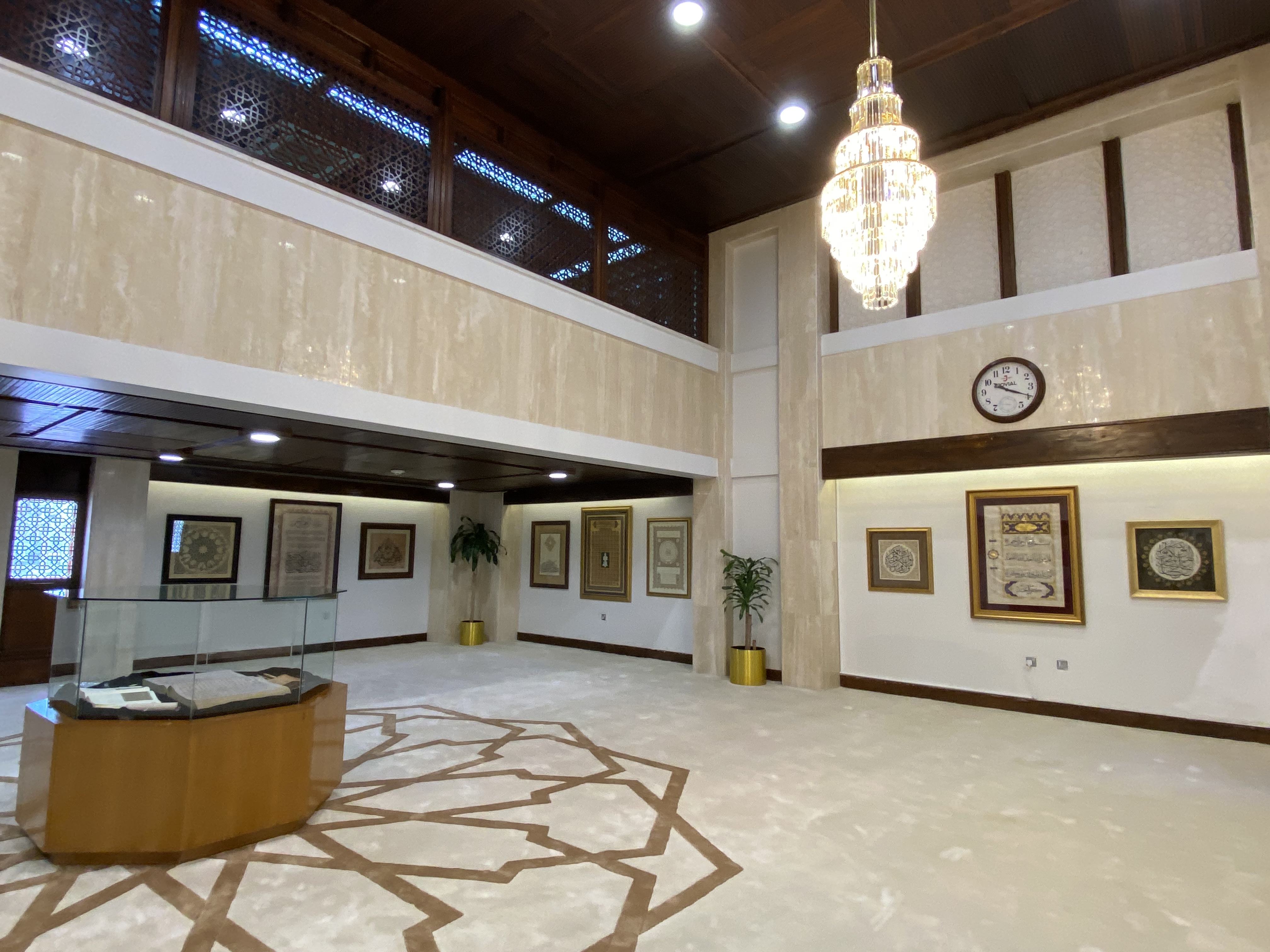
Thanks for making it this far! One final picture – a styrofoam model to give you a sense of the entire building.

 susan dalzell
Thanks for the tour, Susan. I’ve enjoyed all the tours during this posting. Pity they don’t come with a stamp in my passport. 🙂
Is there ever enough time to cover all of the things we wish to see or are worthy of a visit? Not really, but we do what we can.
Hilary
LikeLiked by 1 person
Thank you so much, Susie!! So impressive! I can only imagine the beauty & detail! Cindy Greco
LikeLiked by 1 person