During our week in Serbia, our friends kindly arranged for a Serbian wine tasting one evening. Did we sit in a tony wine bar somewhere? Hardly.
At Panajotovic, you arrive for the tasting on a cobblestone street and enter through a door next to a giant inset wine barrel. Inside, it’s very dark and almost immediately you start heading downward through shadowy tunnels lit only by candles. The tunnels were originally dug by the Romans and have been repurposed over the years, including by Nazis as storage facilities.

Seated at wooden tables in one of the tunnels, we sampled six Serbian wines, as well as sausages and cheese, while enjoying a lively narrative by our local guide on the region’s extensive winemaking heritage. The Romans were responsible for more than just the tunnels we were sitting in. While viticulture probably started much earlier, in the 3rd century AD, Roman emperor Marcus Aurelius Probus made his soldiers plant grapes in the region. Since then, the popularity of wine making has waxed and waned but is currently undergoing a renaissance of sorts, with many new wineries opening up, especially in the area of Fruška gora (which happens to be the favored spot of the Roman emperor).
I’ll admit, my ability to grasp the nuances between different grape varieties and the history lessons diminished as we progressed through the flight of wines, but I came away with an appreciation for wines that aren’t usually on the shelves of our Ohio wine shops.
Like the wine, Serbian and Romanian food isn’t easily available in our corner of Ohio. We made sure to try at least a few of the local specialities while there.
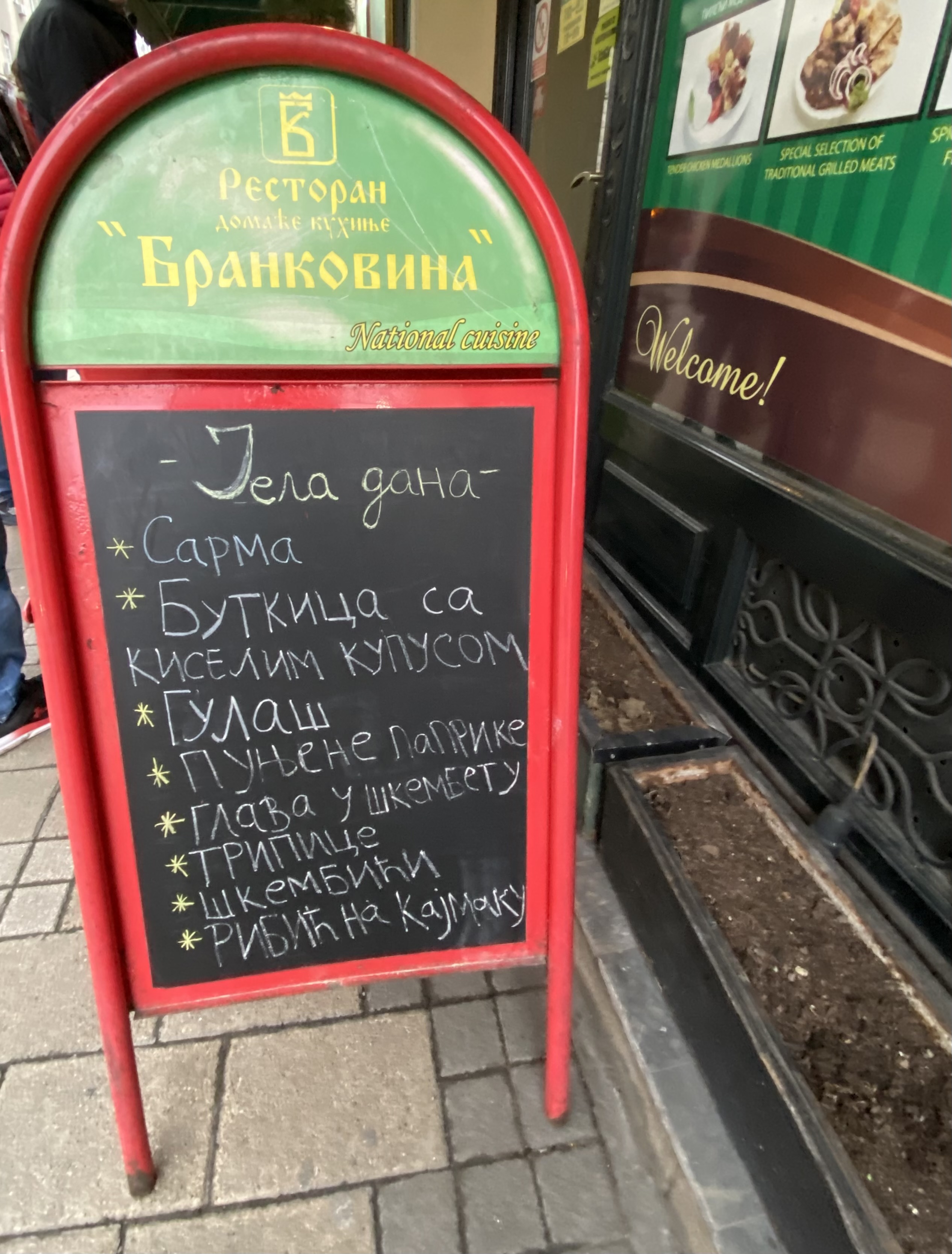
What is Serbian food like? We recognized the Turkish influence, with kebab-like meats popular, including the grilled cevapi sausages which were a mainstay on menus. There’s a binge-worthy salad called Shopska salad, which features extremely creamy feta cheese generously tossed over cucumbers, tomatoes and onions. They frequently serve two delicious dips with flatbreads: ajvar, which is a paste of roasted red pepper, and kajmak, similar to cream cheese. For breakfast, we sampled cheese and meat flaky pastries called burek.


One of our best meals was at a tavern in our friends’ neighborhood, where the owner/waiter spoke virtually no English and we made do with Google translate to order. It felt like we were dining in a 19th century farmhouse, a feeling amplified by the presence of several wandering chickens. Google translate didn’t work so well, by the way. The dumplings I thought I had ordered for my main dish came out instead as a steaming bowl of bean soup with big hunks of pork floating in it. A fortuitous mistake: It was delicious. I looked the soup up later. It is called pasulf, and it’s a traditional Serbian comfort food.
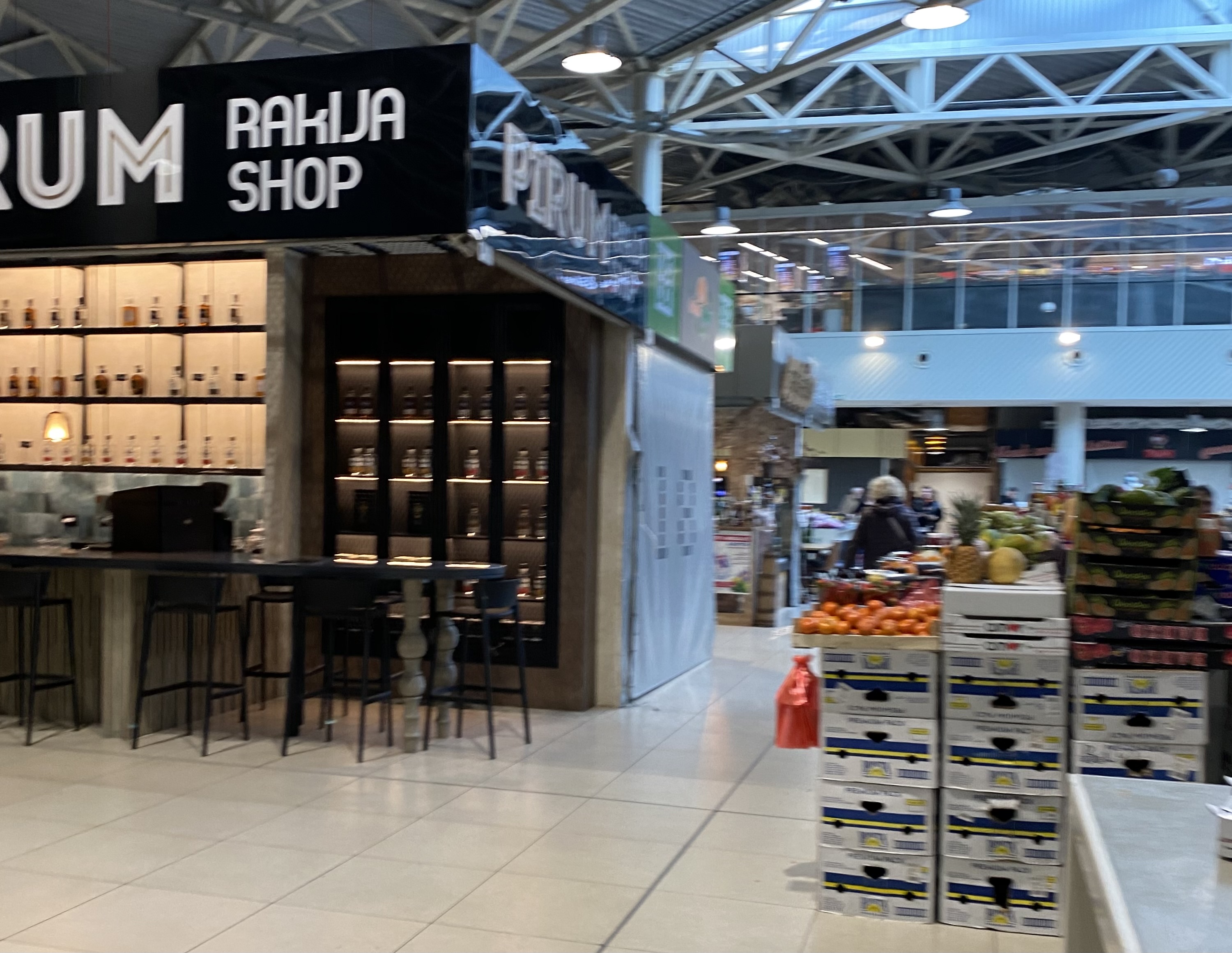
I also sampled rakia, a local speciality that is a fruit brandy. It’s an intense experience (warms you right up inside!) and one which Wil was more willing to try on multiple occasions, even meeting a former NBA player who it turns out owns the rakia stall at a food market we wandered into. We all very much enjoyed a planned stop at a speakeasy in the city’s centre, where we were ushered through a non-descript door into a basement bar and provided with creative cocktails prepared by friendly bartenders who looked very much like they had stepped out of the 1920s.
The Romanian portion of our week also came with some good eats. I had scoped out traditional-style restaurants ahead of our visit to Timișoara. Our choice of the restaurant Miorita did not disappoint. We were guided back to our table through a sensory-overloaded series of dining rooms, rag rugs covering the wood planks beneath our feet, arched brick ceilings above, all enclosed by brick walls displaying richly-hued Romanian textiles and even traditional folk dresses. We were seated at a long table covered by elaborately embroidered tablecloths and handed huge menus.

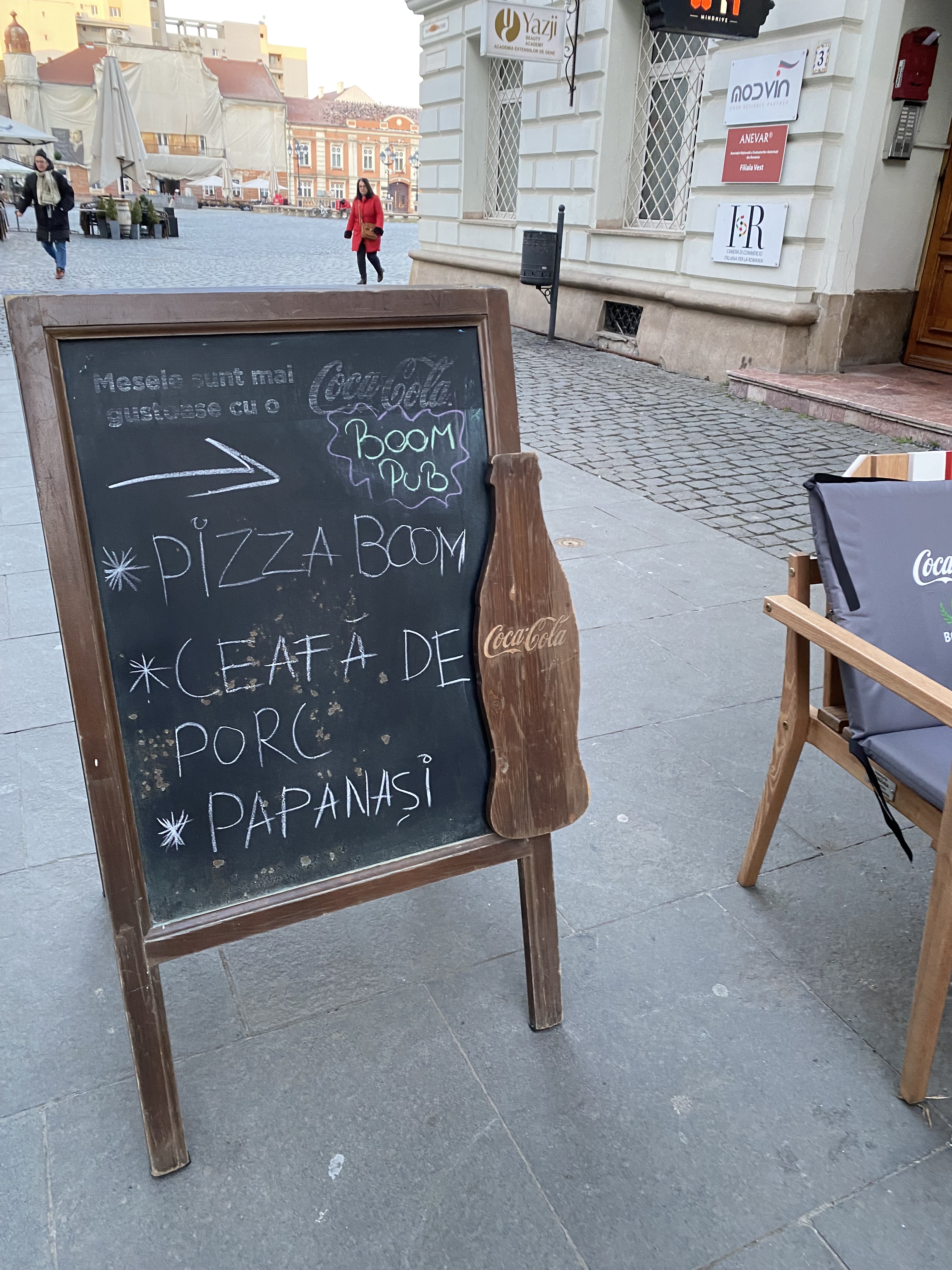
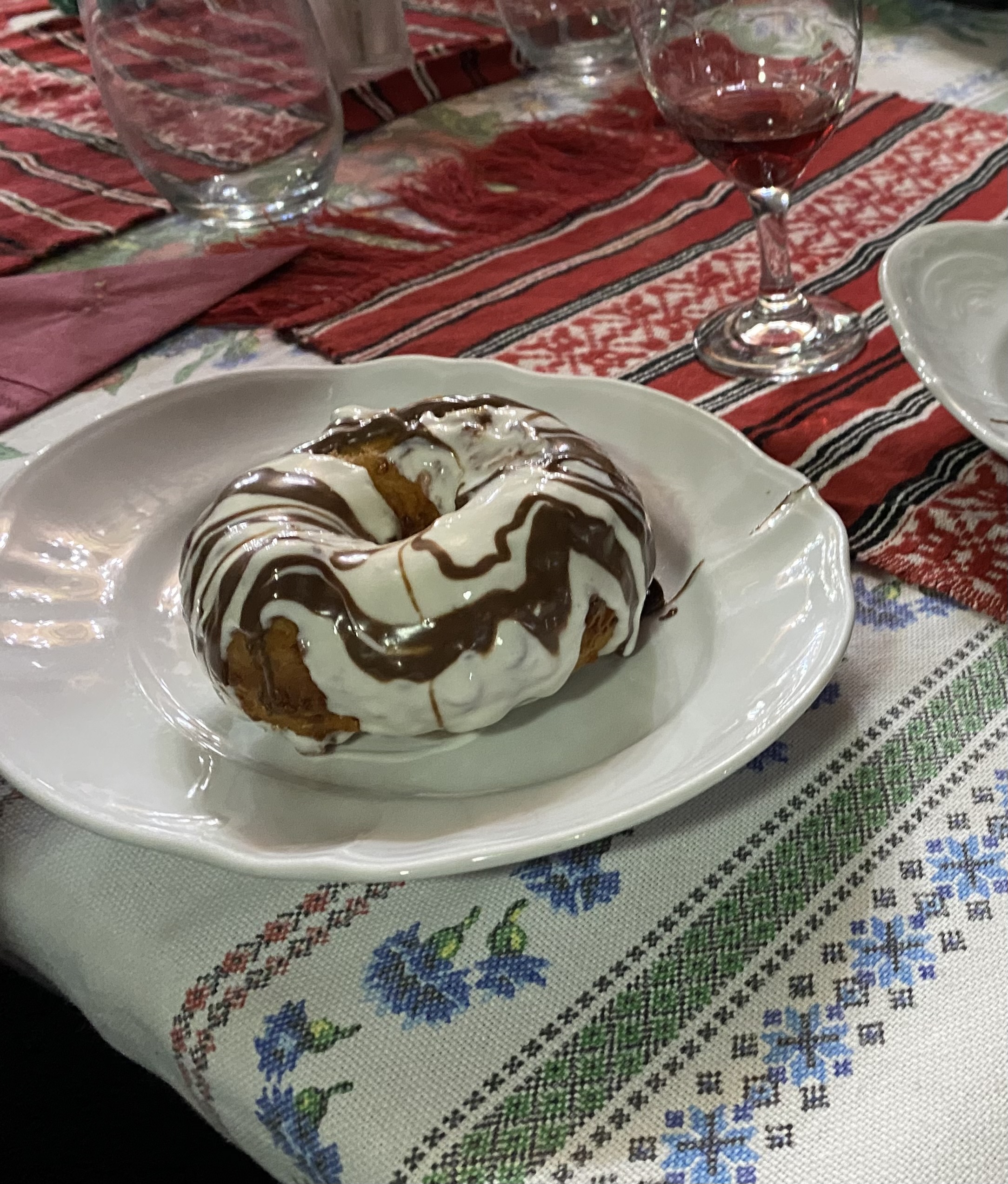
Somewhat overwhelmed, we took our waiter’s advice and ordered a family-style traditional assortment plate so we could sample a wide variety of dishes. We started with decadent fried Cașcaval cheese as an appetizer followed by the main course of grilled pork, sausages, polenta, chicken wings, mustard sauce, and hunks of fried potatoes: To say we feasted is an understatement, all washed down with a peppery Romanian wine. But wait! There’s more. For dessert, we ordered Romanian papanasi, essentially cheese donuts. The pastry was rich and gooey, topped by chocolate sauce and served with sour cream.
As always, you’ll find below plenty of pictures of the places and food mentioned above. (As I edited these photos, I found myself getting hangry…) In my next installment in this series, I’ll share our side trip to the Serbian city of Novi Sad.
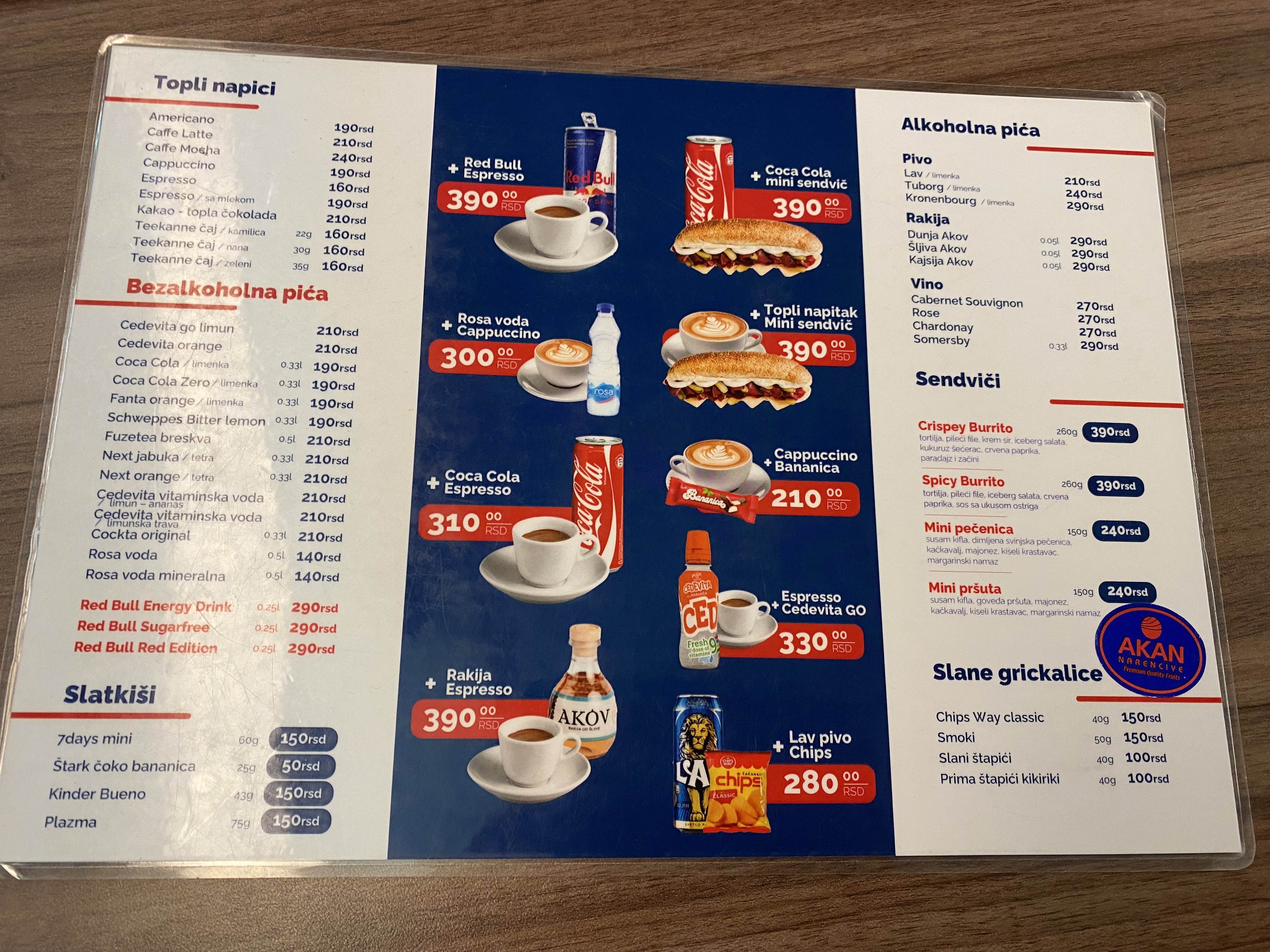
Out and about – Polenta, Romanian beer, food signs



Panajotovic (wine tasting)


Miorita in Romania


Belgrade pizzeria dedicated to British comedy Alo Alo

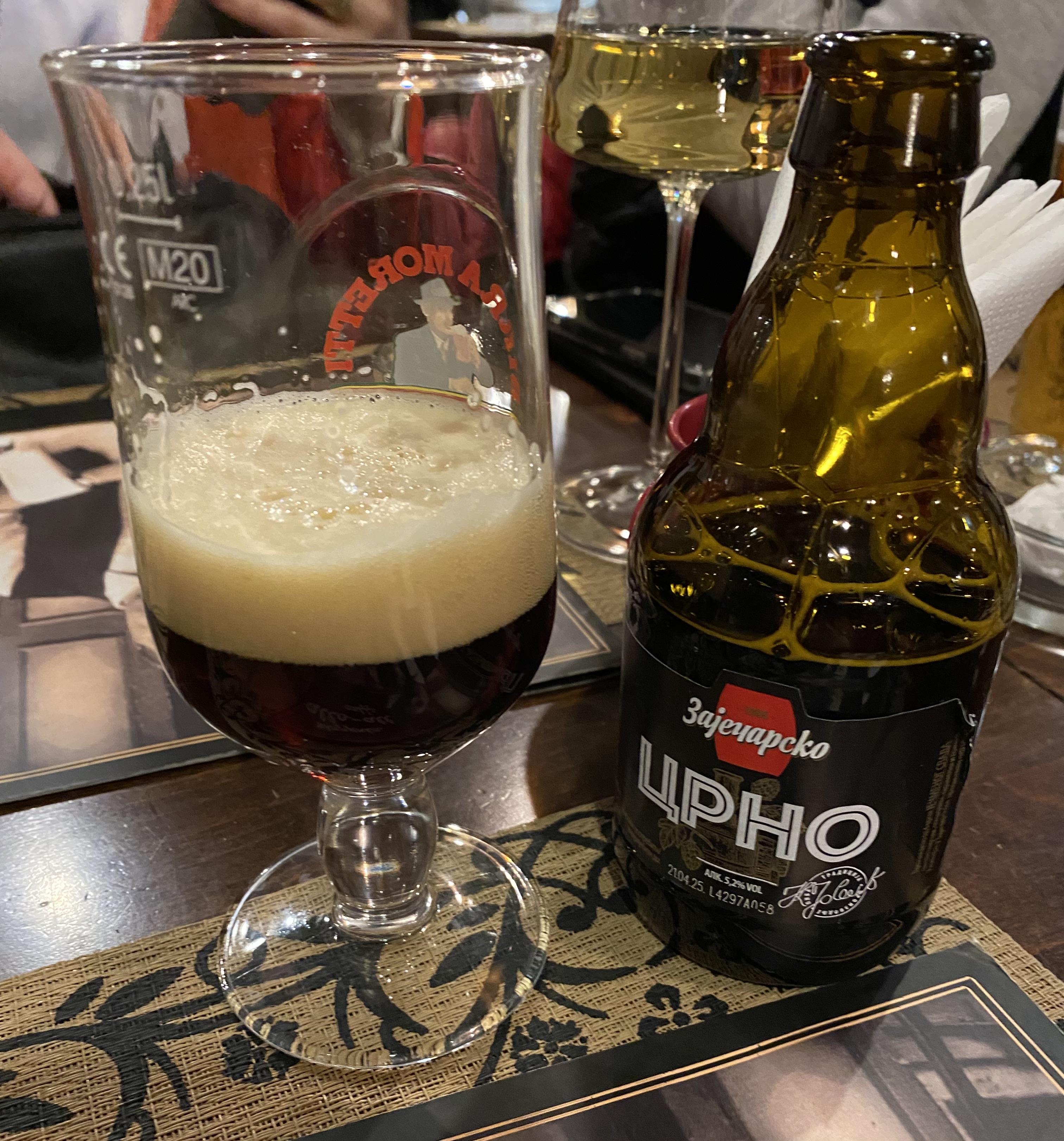

Neighborhood restaurant in Belgrade


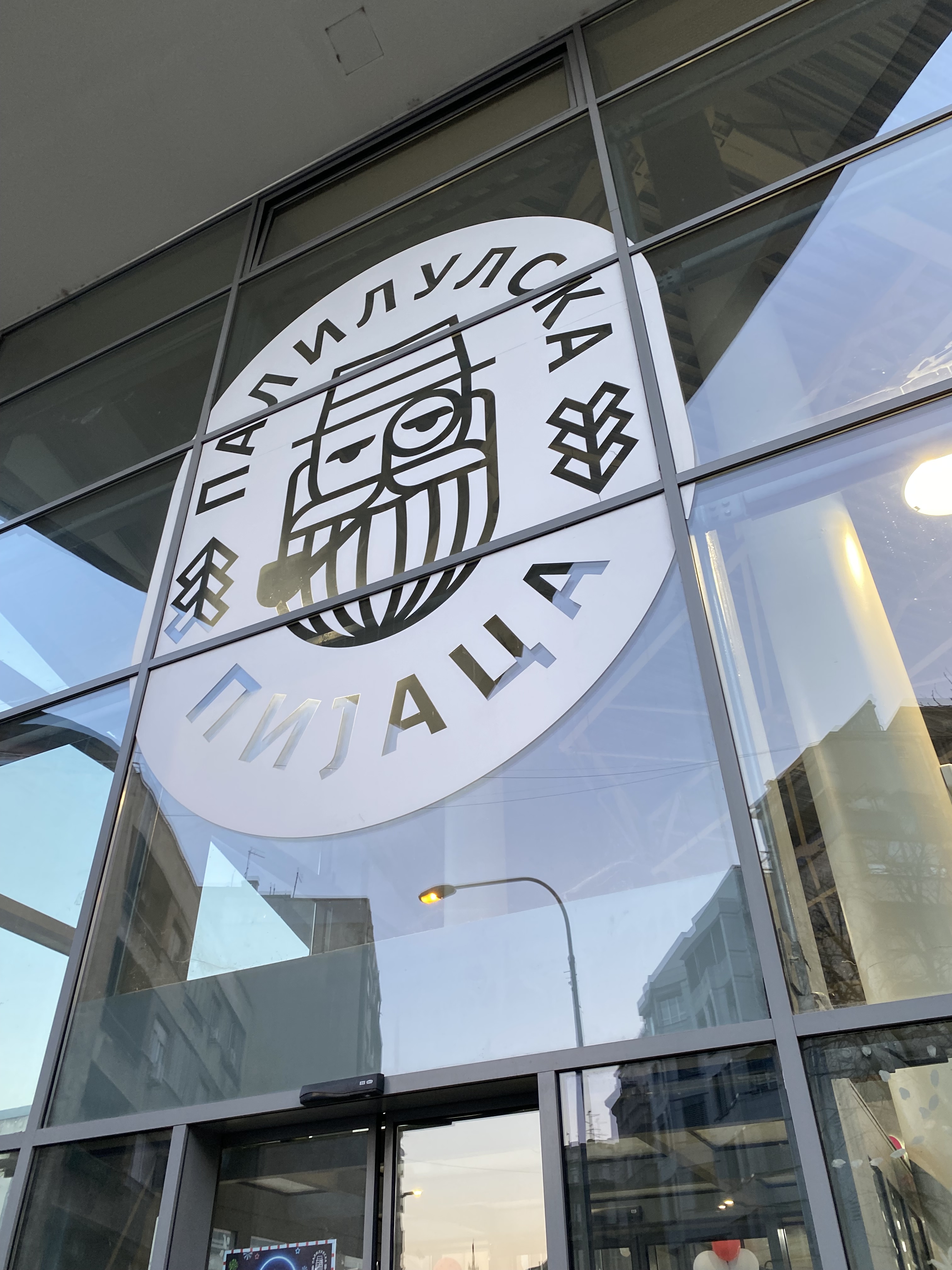
Food hall in Belgrade where we found Serbian wine and rakia


 susan dalzell
You must be logged in to post a comment.