Imagine walking through a grand European square in broad daylight, without having to elbow your way through crowds of tourists. Enough people are around for the city to not feel lonely—but you can wander and linger with ease. And, if you are like me, take photos to your heart’s content without waiting for people to clear out of the way.
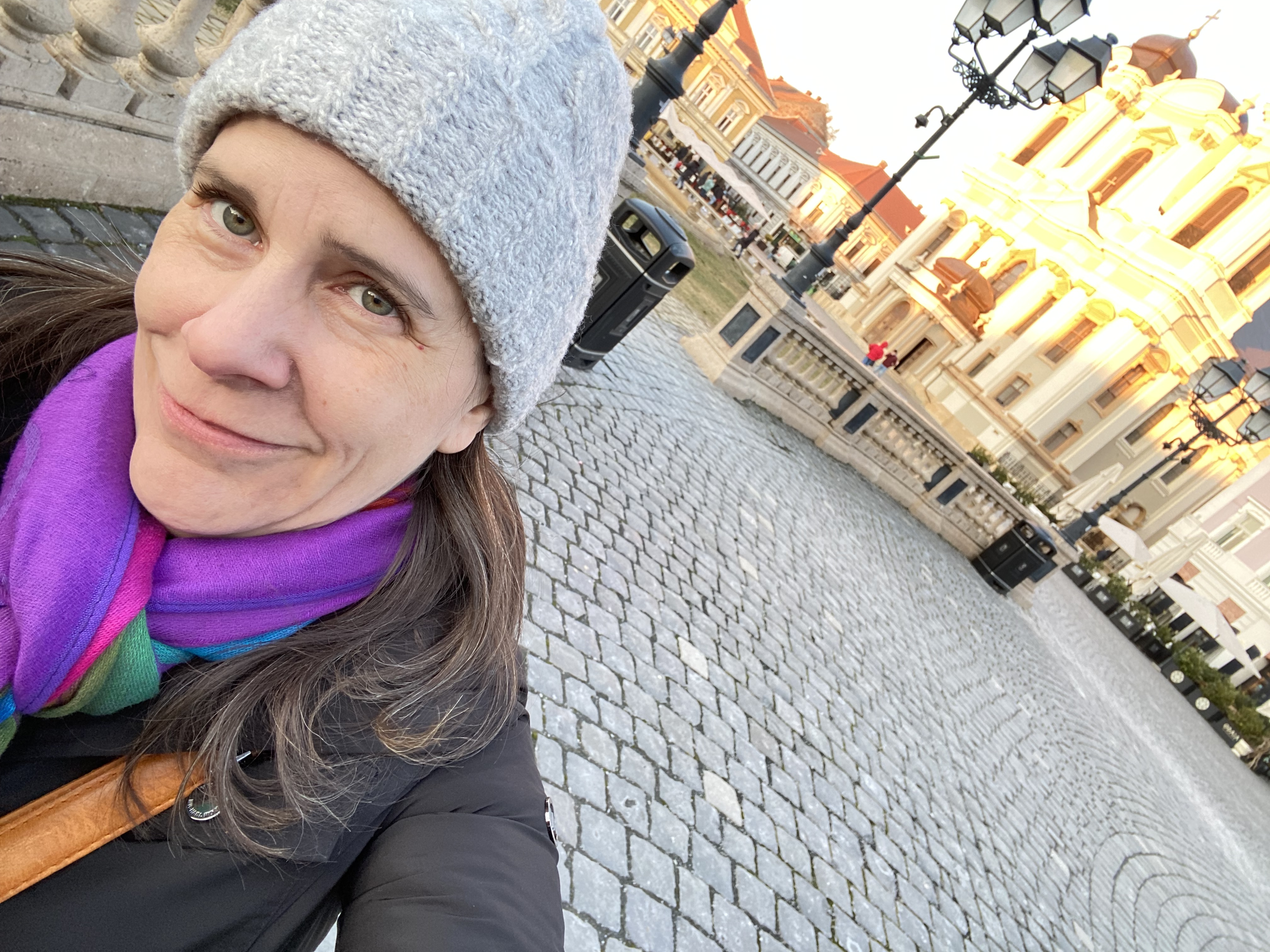
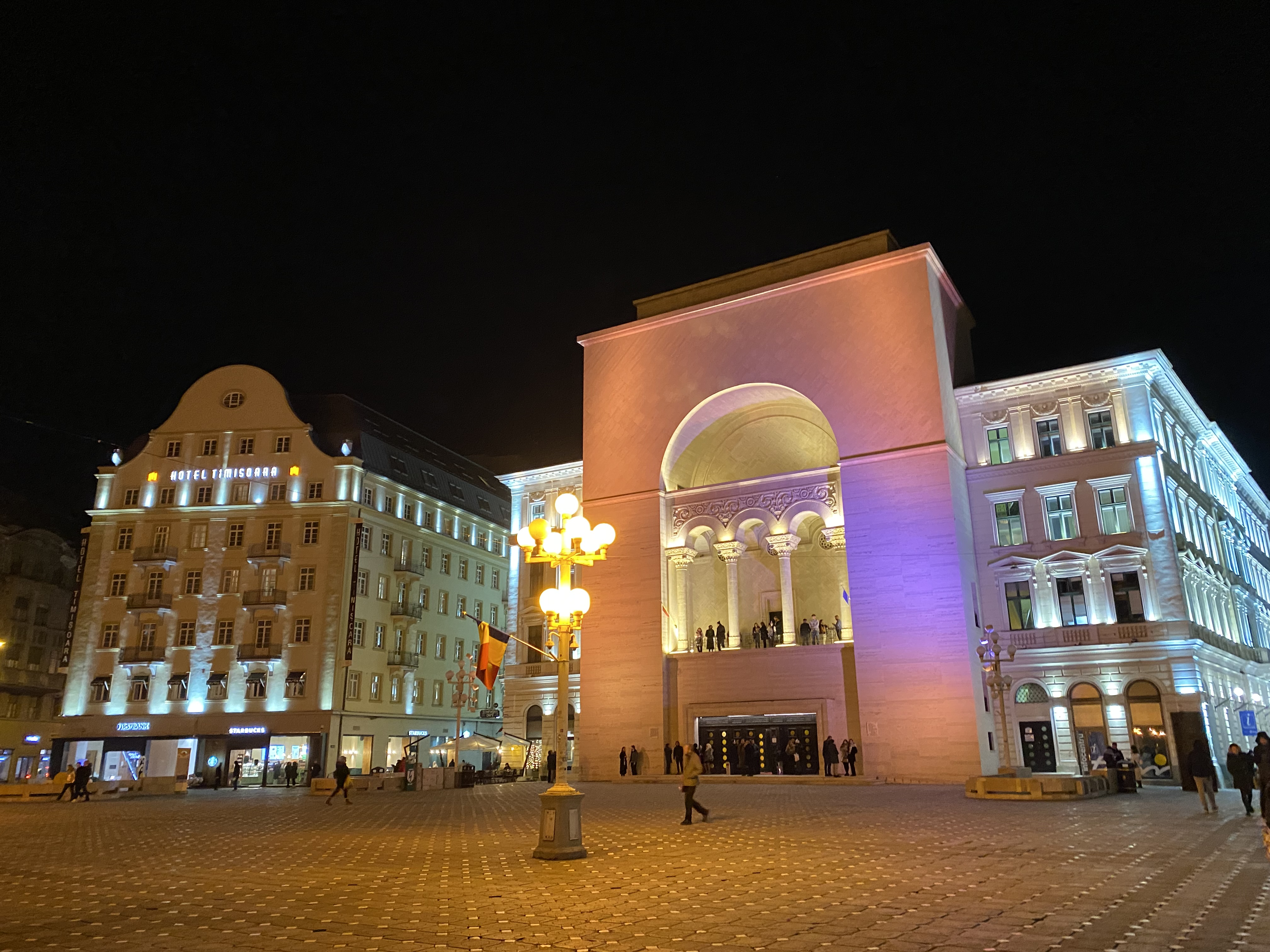
One of the delights of visiting Romania in February is that the imaginary scenario above is real. Timișoara, which is in western Romania, is sometimes called “Little Vienna” because this city features similar grand architecture. I was charmed and impressed by its beauty during our brief visit.
When planning our trip to visit family friends in Belgrade, Serbia, my friend casually mentioned we could fit in a side trip to nearby Romania. Yes, please. That’s how we all found ourselves in a white van driving three hours across Serbia and about an hour into Romania at the mid-point of our week in Serbia. The van was meant to be a large SUV, but Serbia being Serbia, our friends were presented with the long van as their only option when they arrived to pick up the vehicle. Our host earned serious cred and thanks for navigating that thing not only on Serbian and Romanian highways, but also through narrow city streets designed for wagons and carriages.
Timișoara is noted for being the city where the 1989 Romanian revolution began. Massive street protests broke out throughout the city in December that year, spread to other cities, and ultimately led to the end of 42 years of communist rule. The revolution was brief, but bloody, with more than 1,000 people dying and several thousand more injured. The nation is a democracy, but if you’ve been reading recent headlines, the country is struggling with an increase in anti-western, far-right sentiment, although it elected a centrist as president in May.
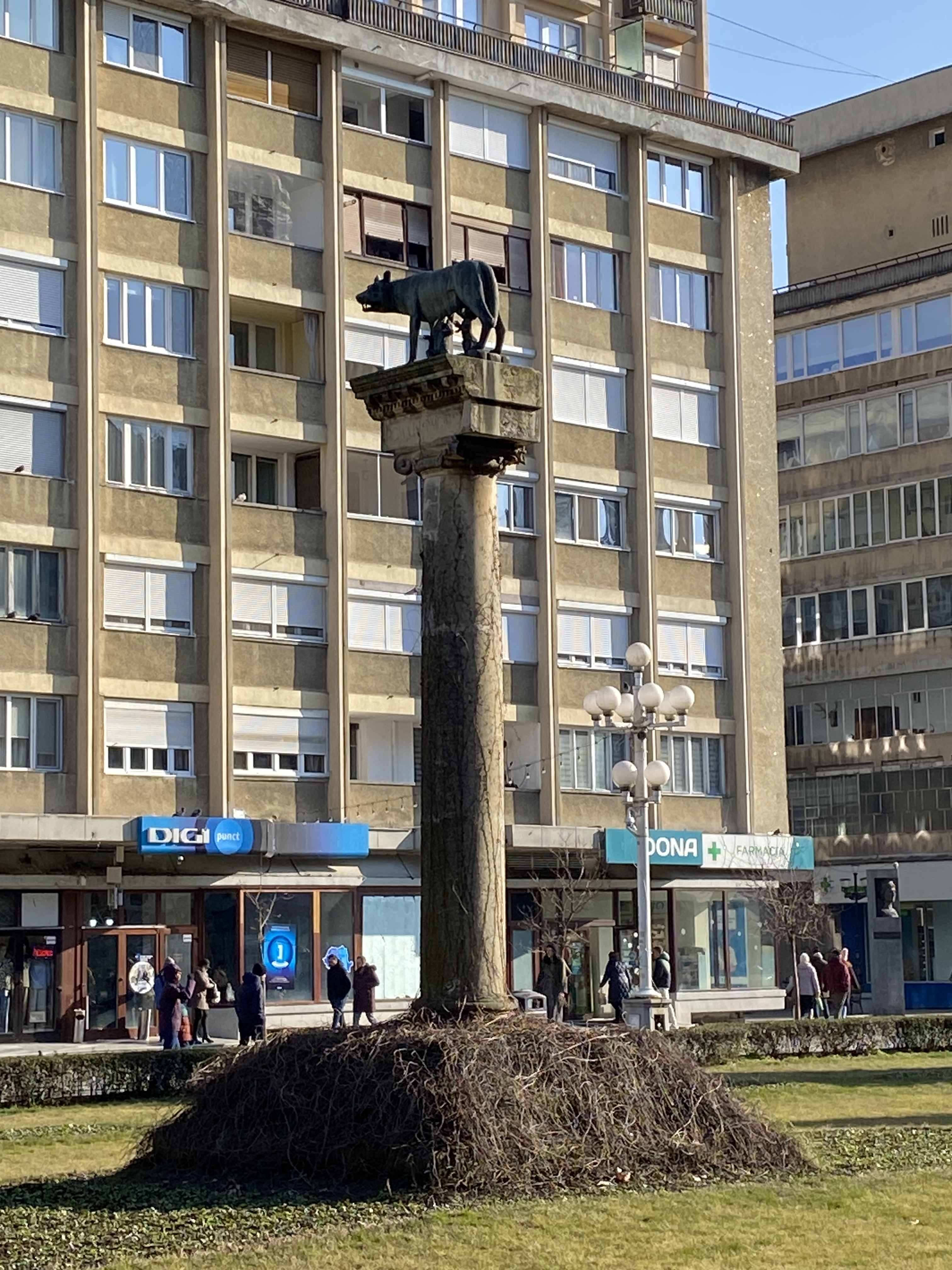
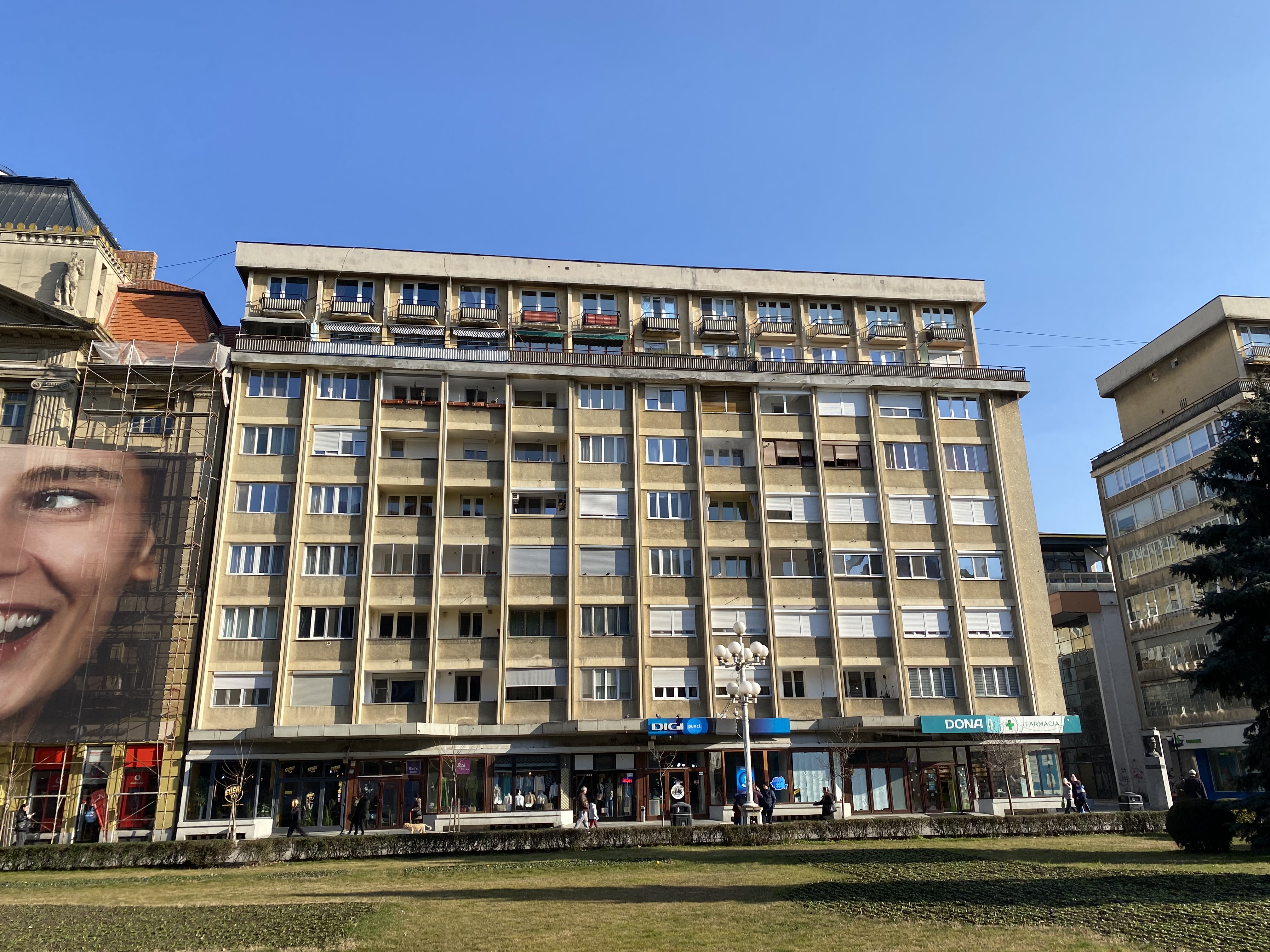
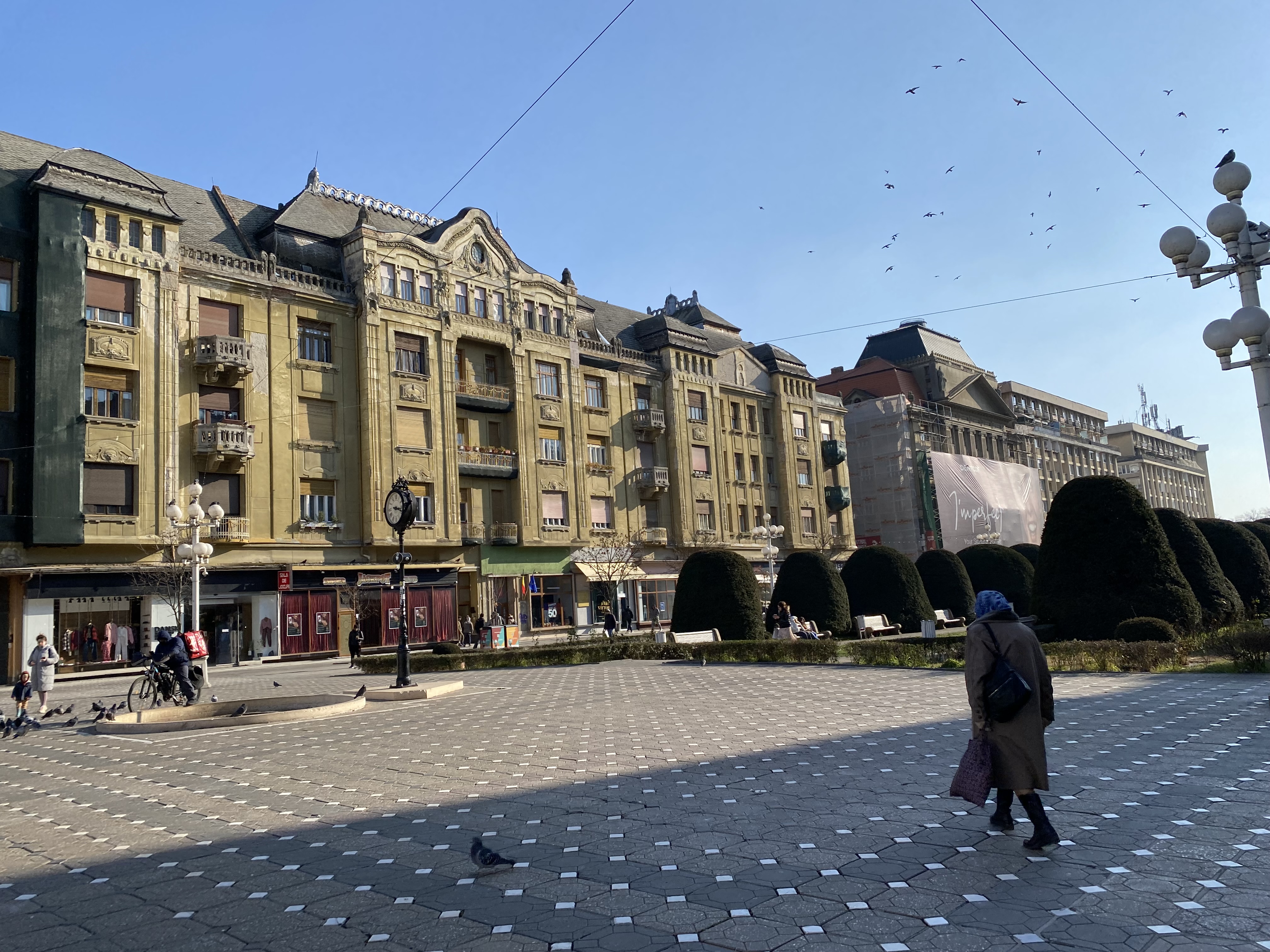
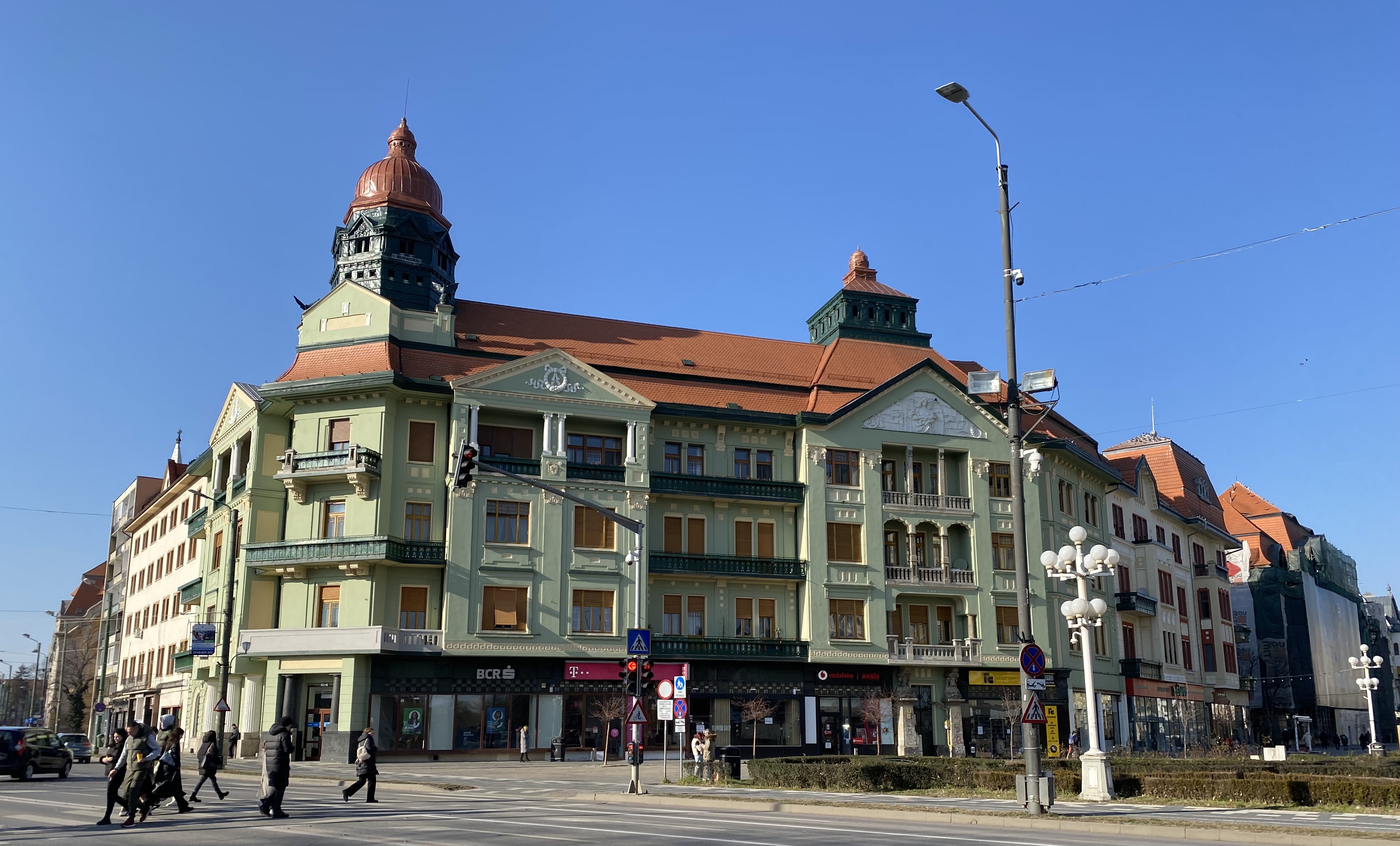
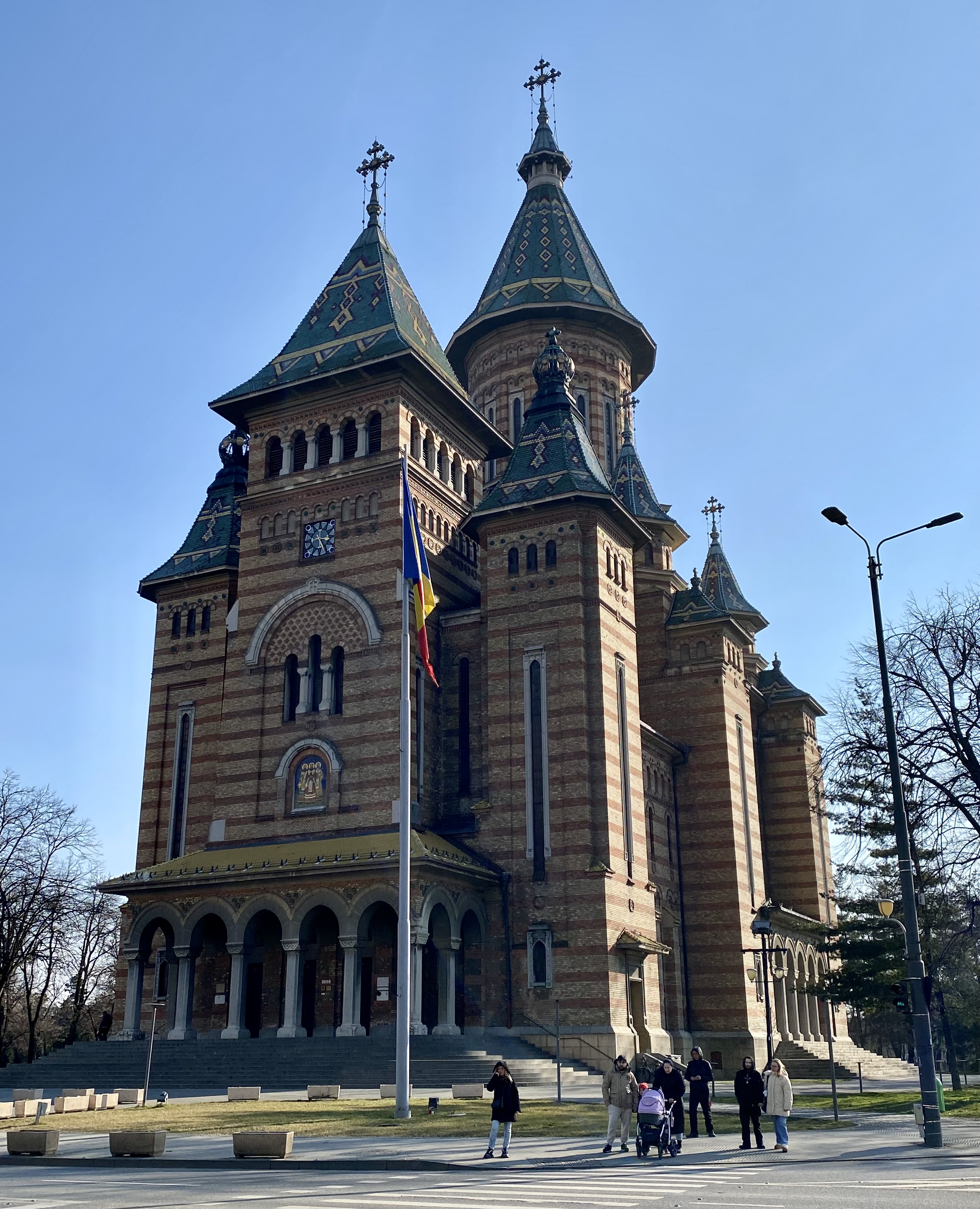
For our visit, we started with Victory Square, which is more of a very long rectangle, with a modern gleaming white Opera House at one end and the “Three Holy Hierarchs” Metropolitan Cathedral at the other. It was fascinating to see 19th century structures interspersed with communist-era Brutalist apartment buildings. We entered the cathedral and admired its dark but gleaming Orthodox interior. We admired the ornate brass chandeliers hanging high above and the matching iconstatis at the front of the sanctuary, forming a golden wall framing rows of painted icons.
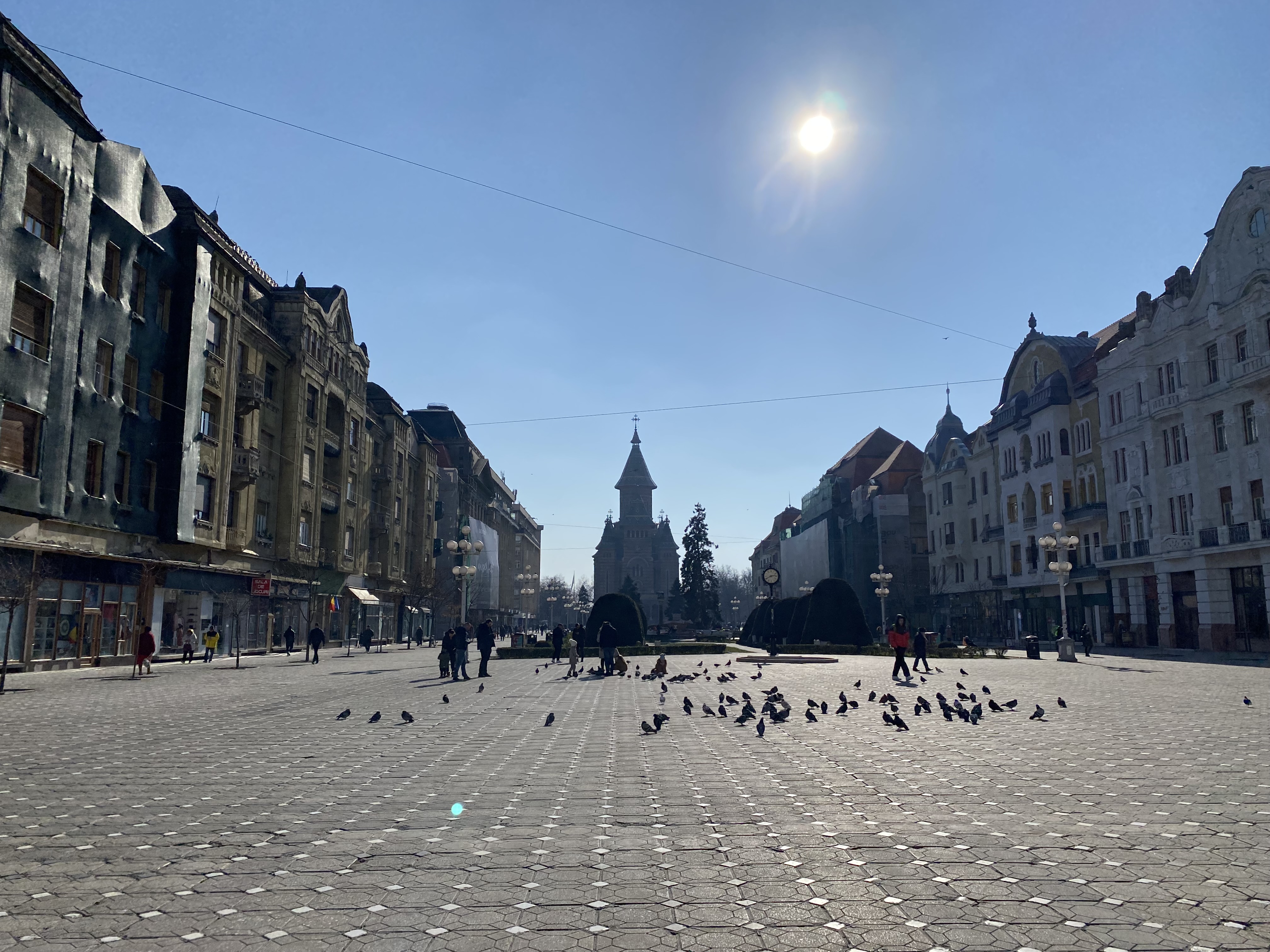
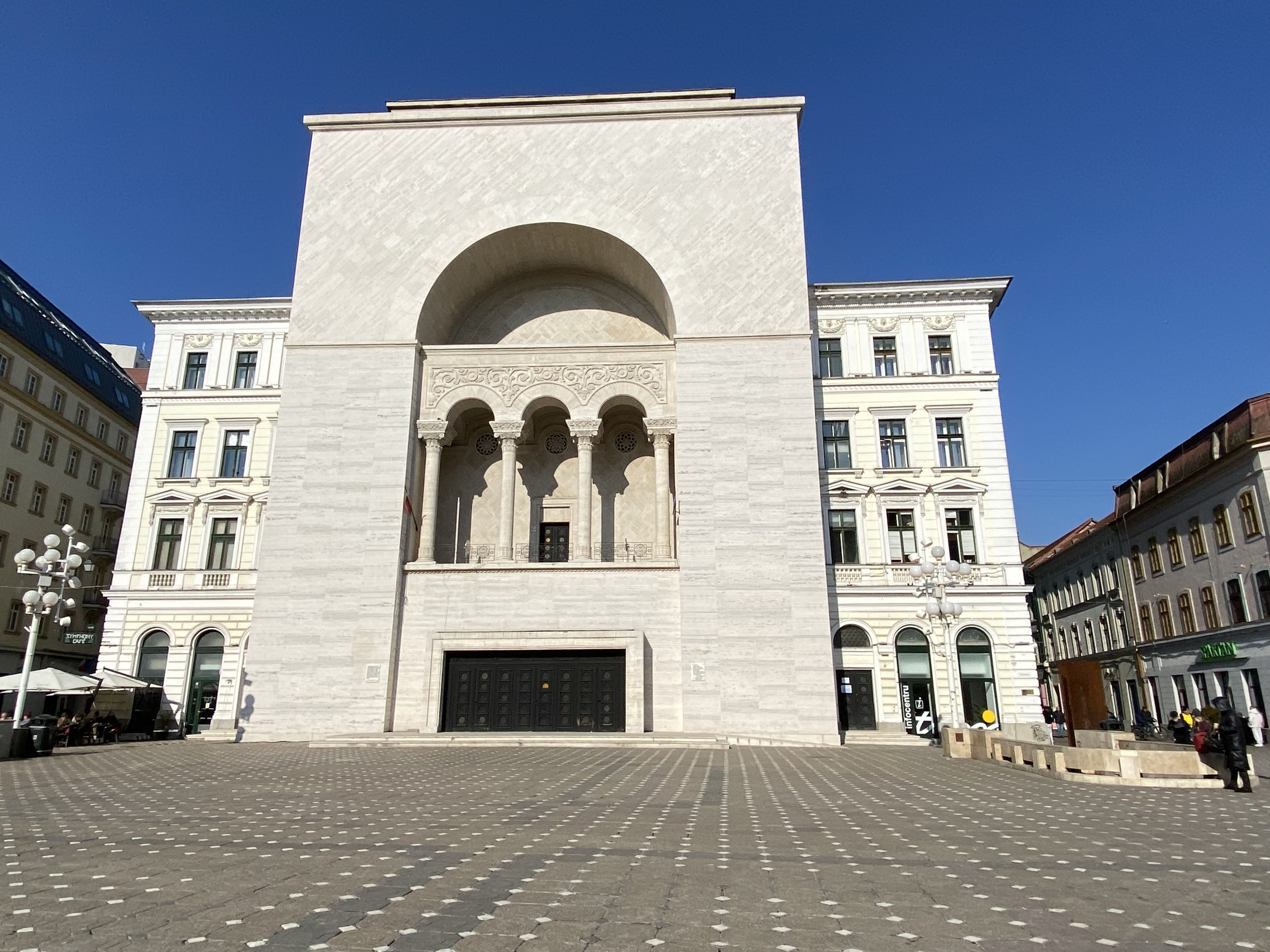
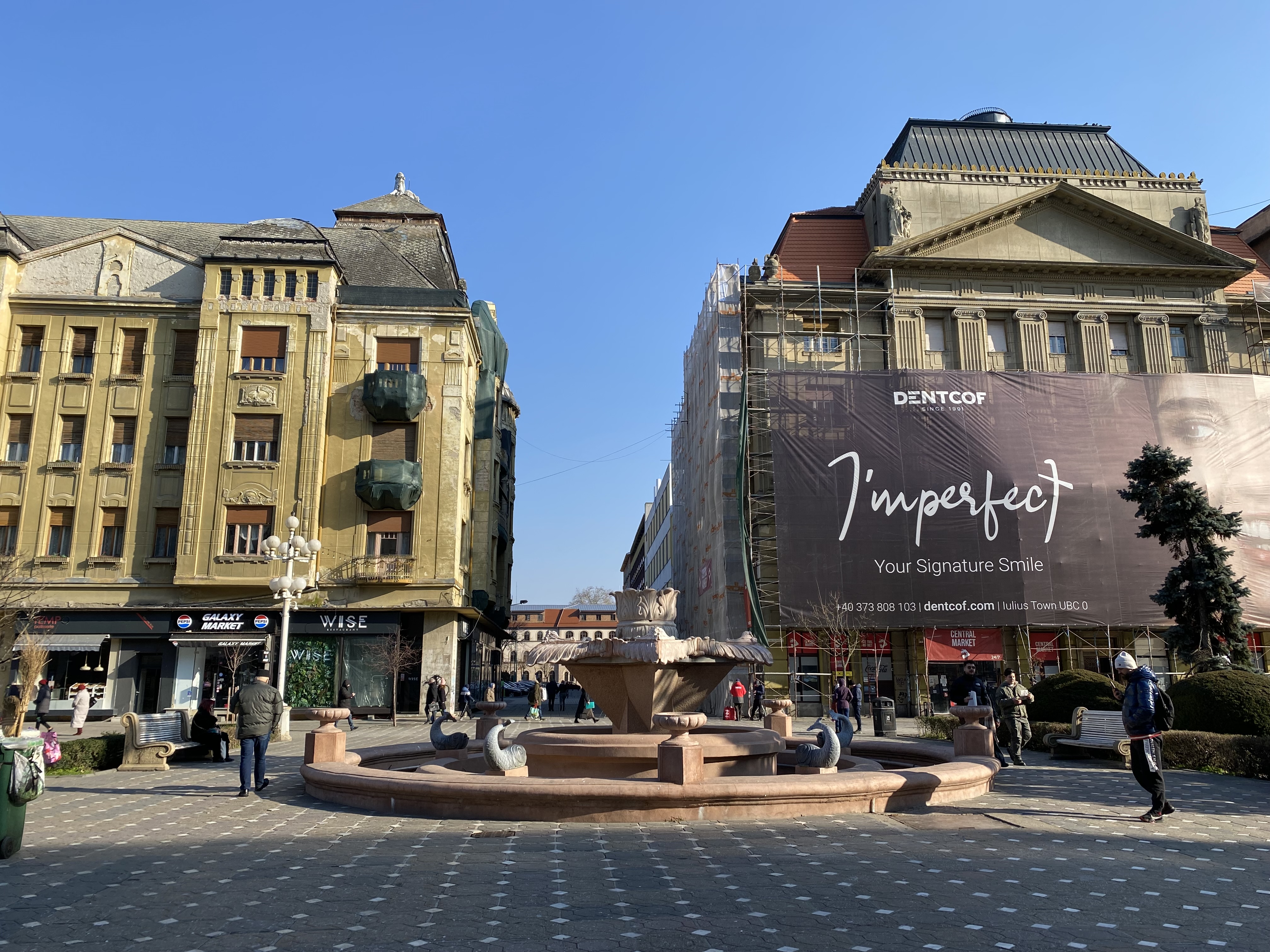

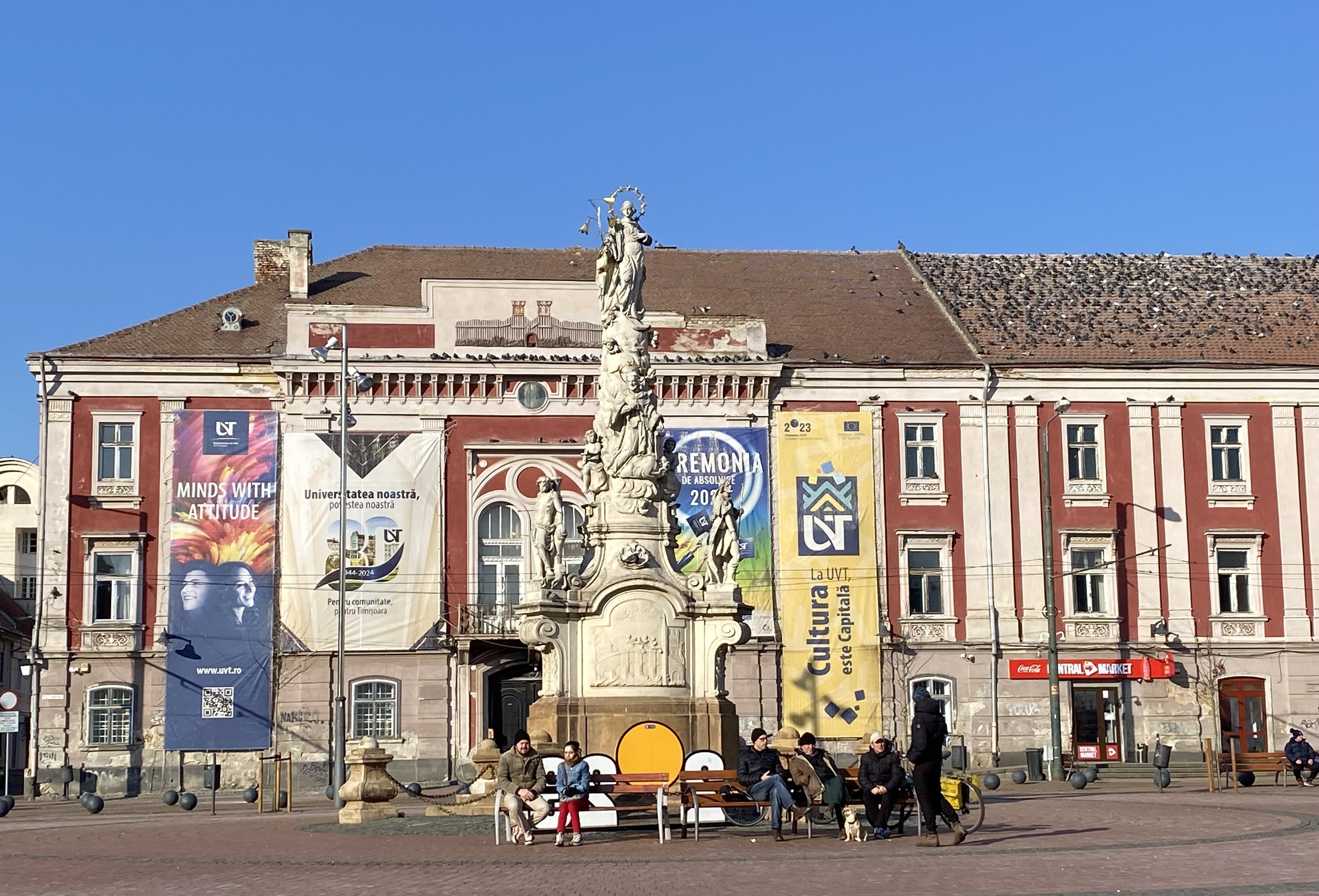
We strolled back through Victory Square and on to the broad expanse of Liberty Square, where again, we encountered very few people other than a few locals, identifiable by their dogs, sitting on benches. The square boasts of an unusual surface pattern, a gigantic bullseye consisting of alternating rings of red brick and grey cobblestone.
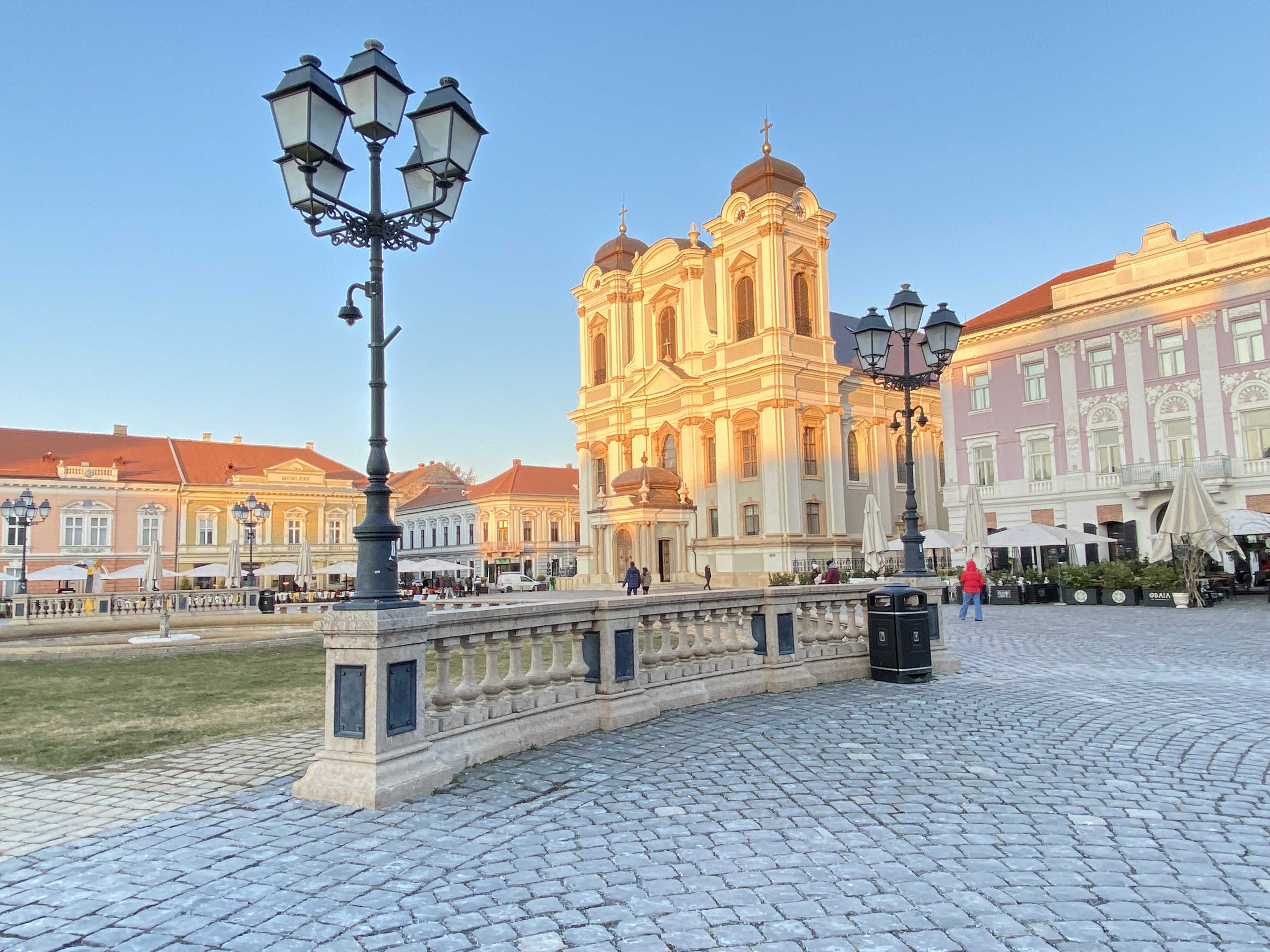
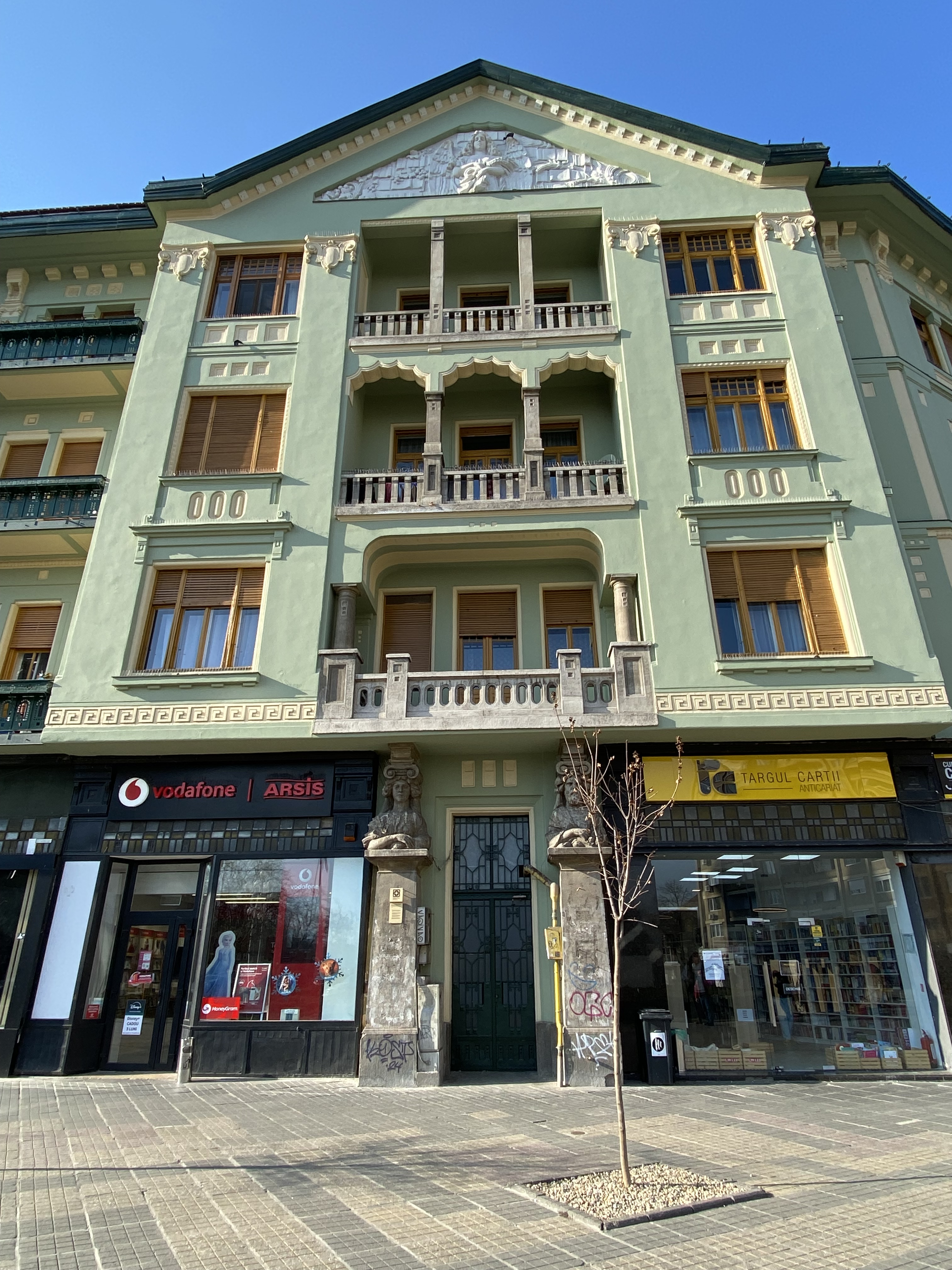
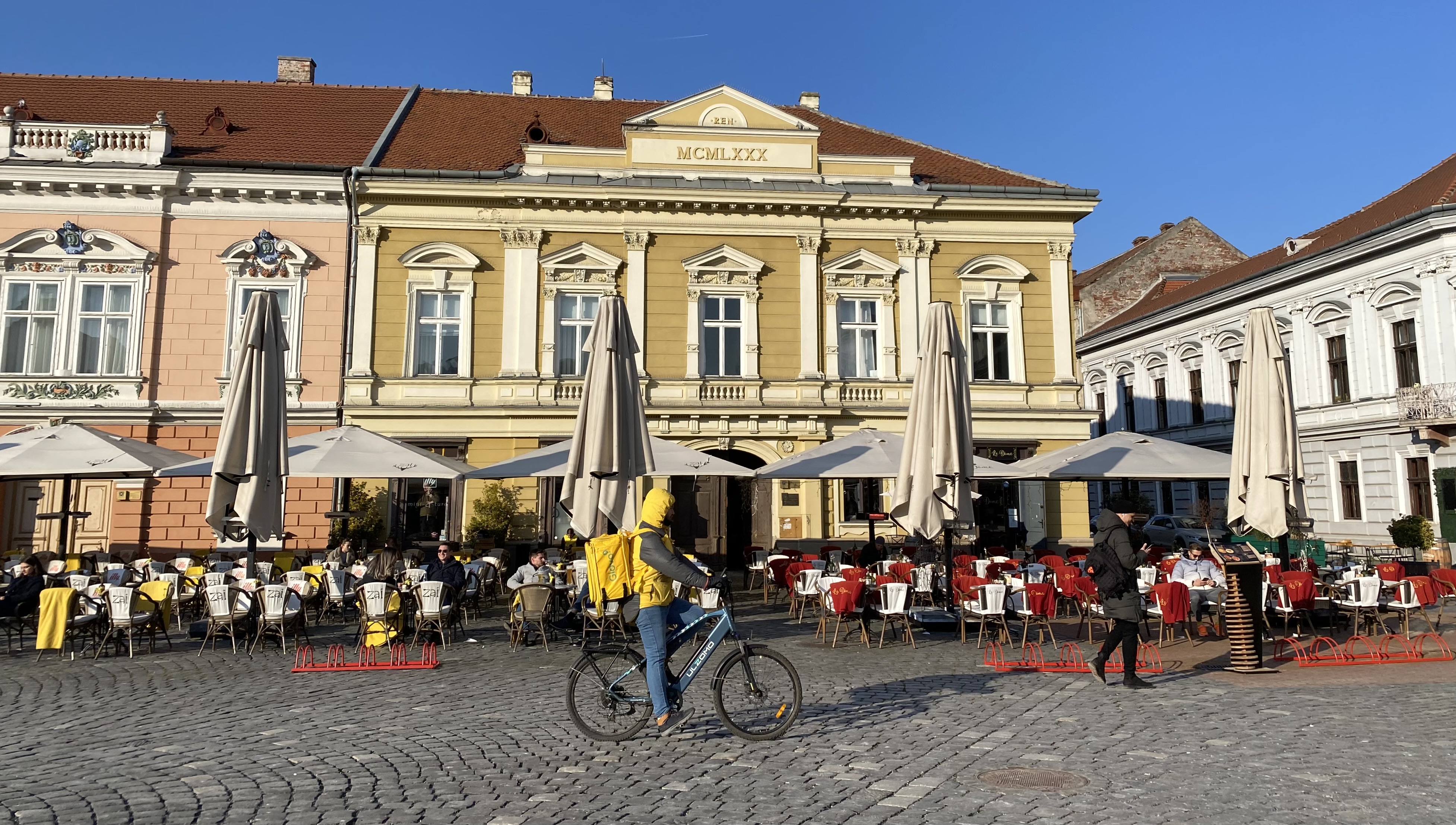
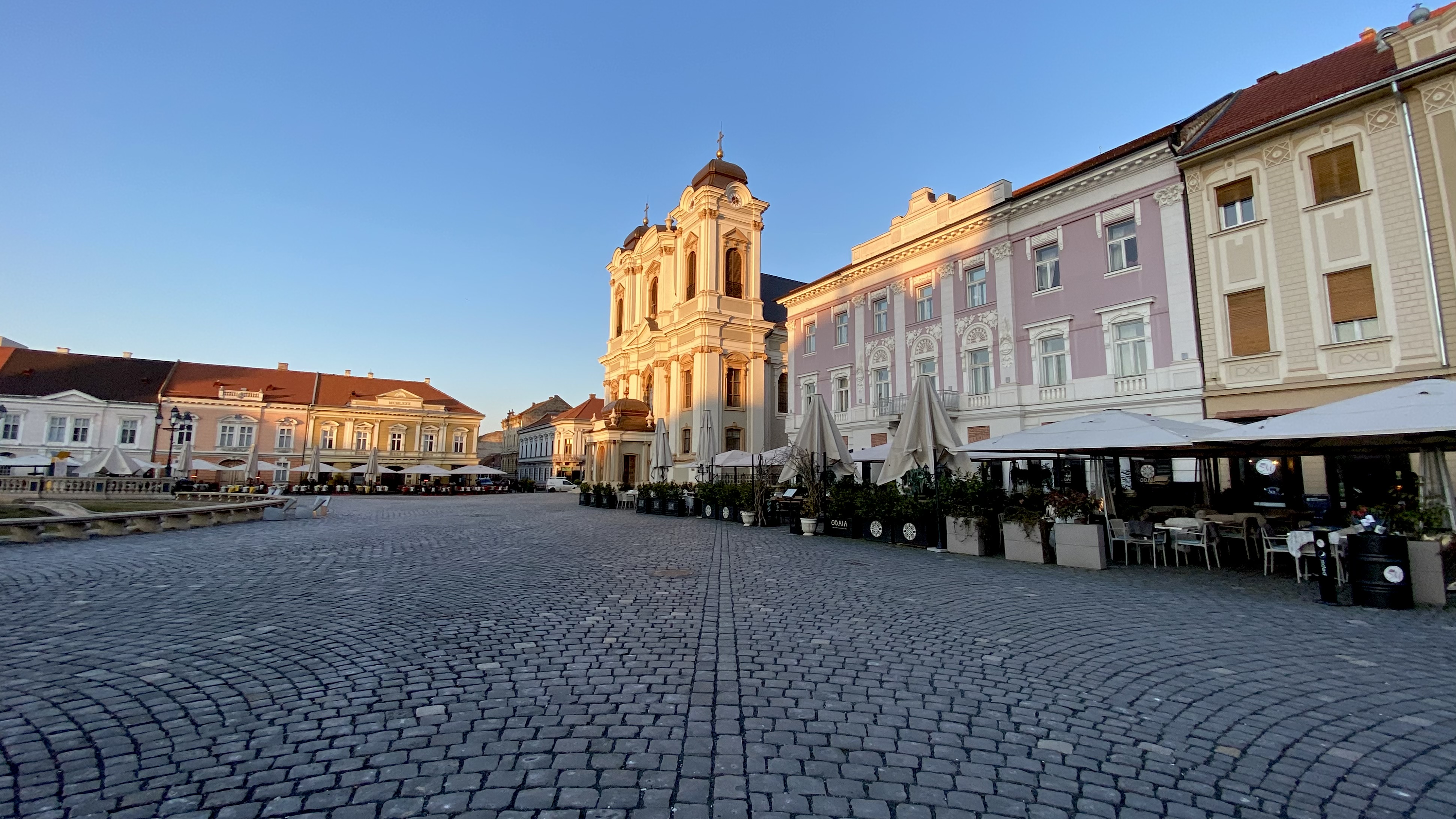
We followed a broad pedestrian-only road lined by elegant three-storey buildings with ground-level cafes and empty outdoor tables for several minutes before it opened up onto Union Square. Union was my favorite of the three spacious squares. Brightly colored 19th century buildings line the four sides of the square, which has a circular grass center and whimsical iron street lights with five lamps each perched on its inner wall.
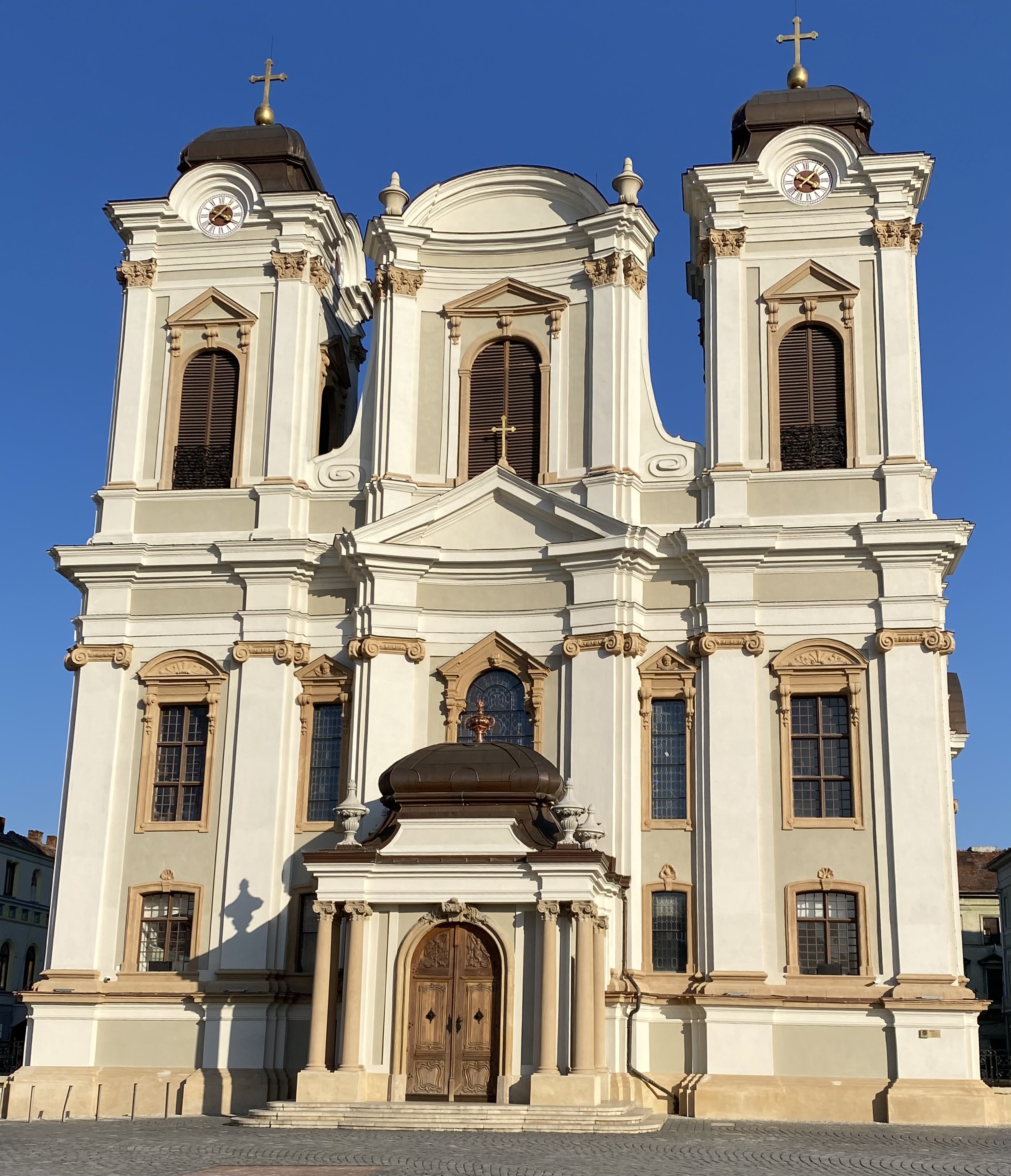
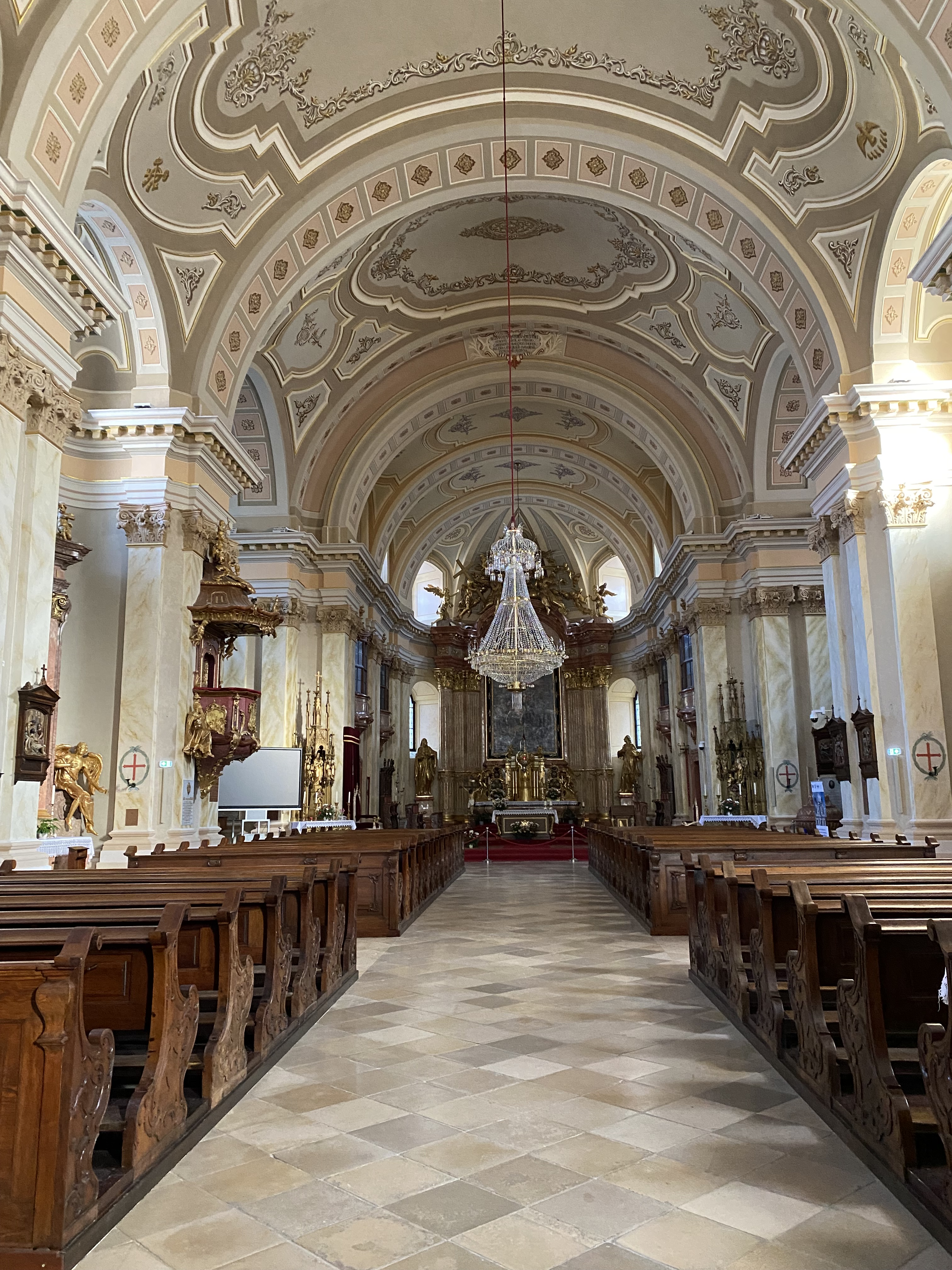
At the far end, another cathedral beckoned, the 18th century Catholic St. George. We found an unlocked door and let ourselves in, admiring the Baroque interior. We lingered at the square, stopping in at a local restaurant for drinks and a chance to warm up from the brisk 20-degree temps outside. Inside there was language and cultural confusion over what constitutes ginger ale when the helpful waiter attempted to serve one of our sons a cherry (alcoholic) beer as a substitute.
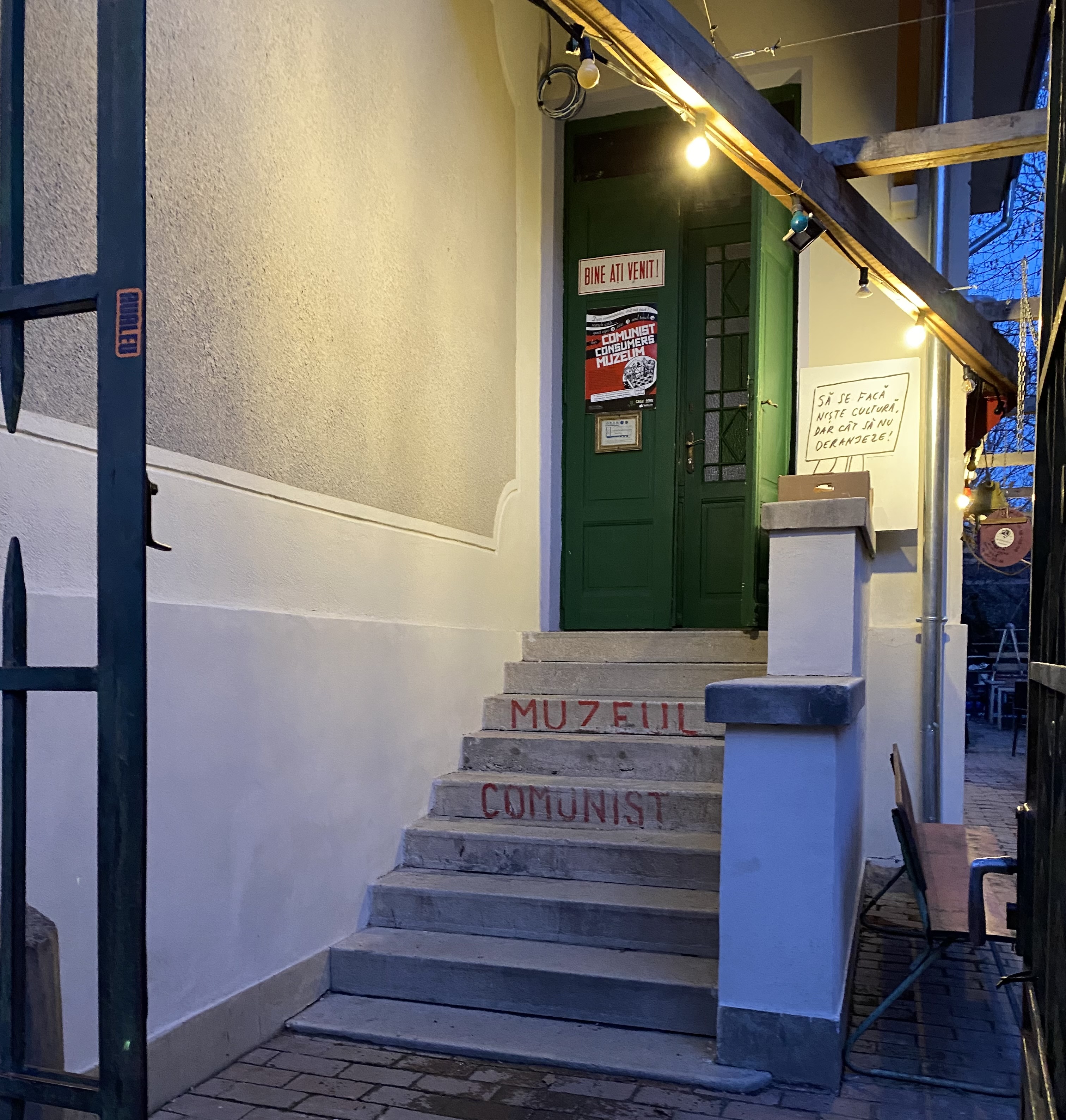
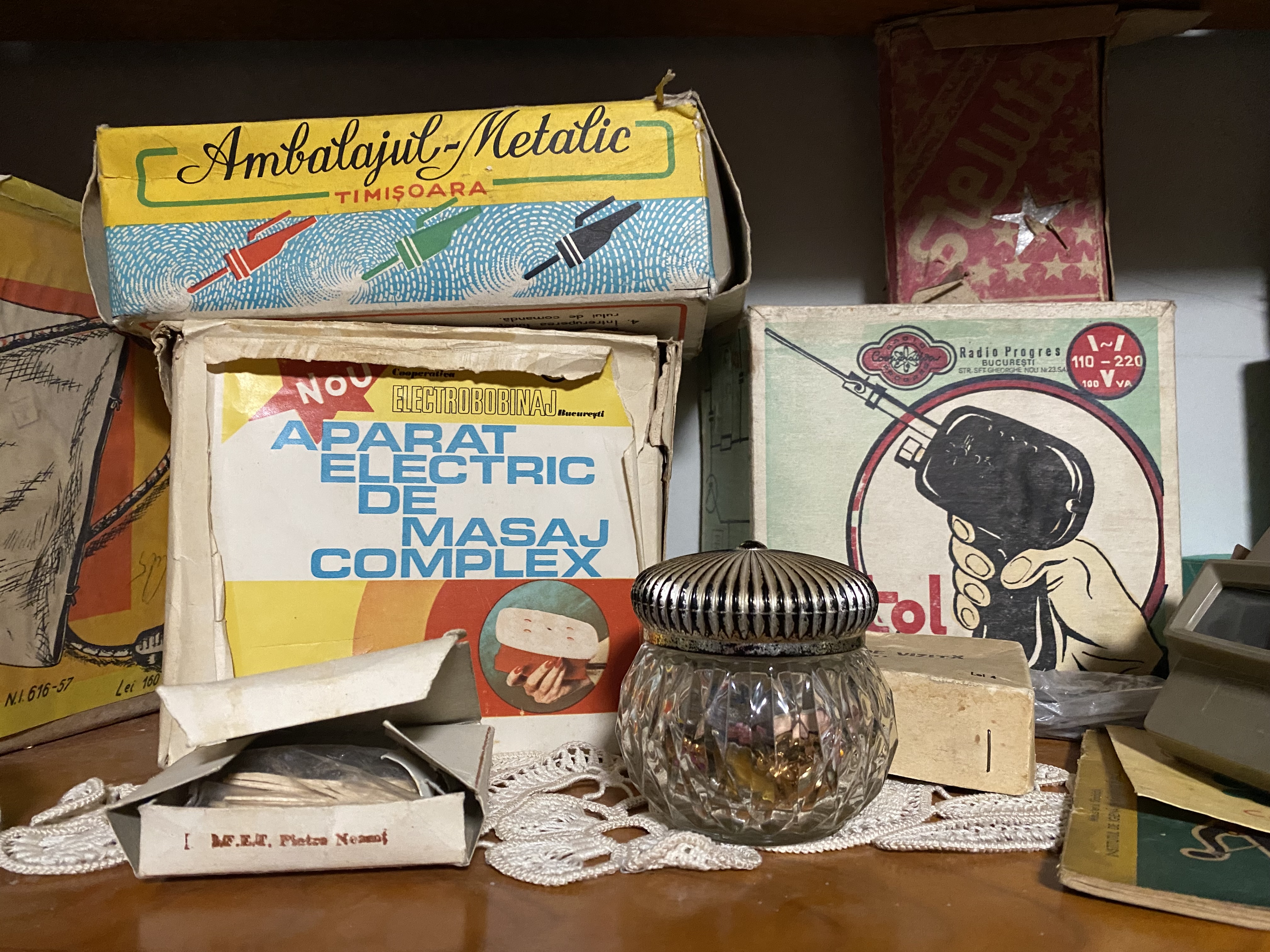
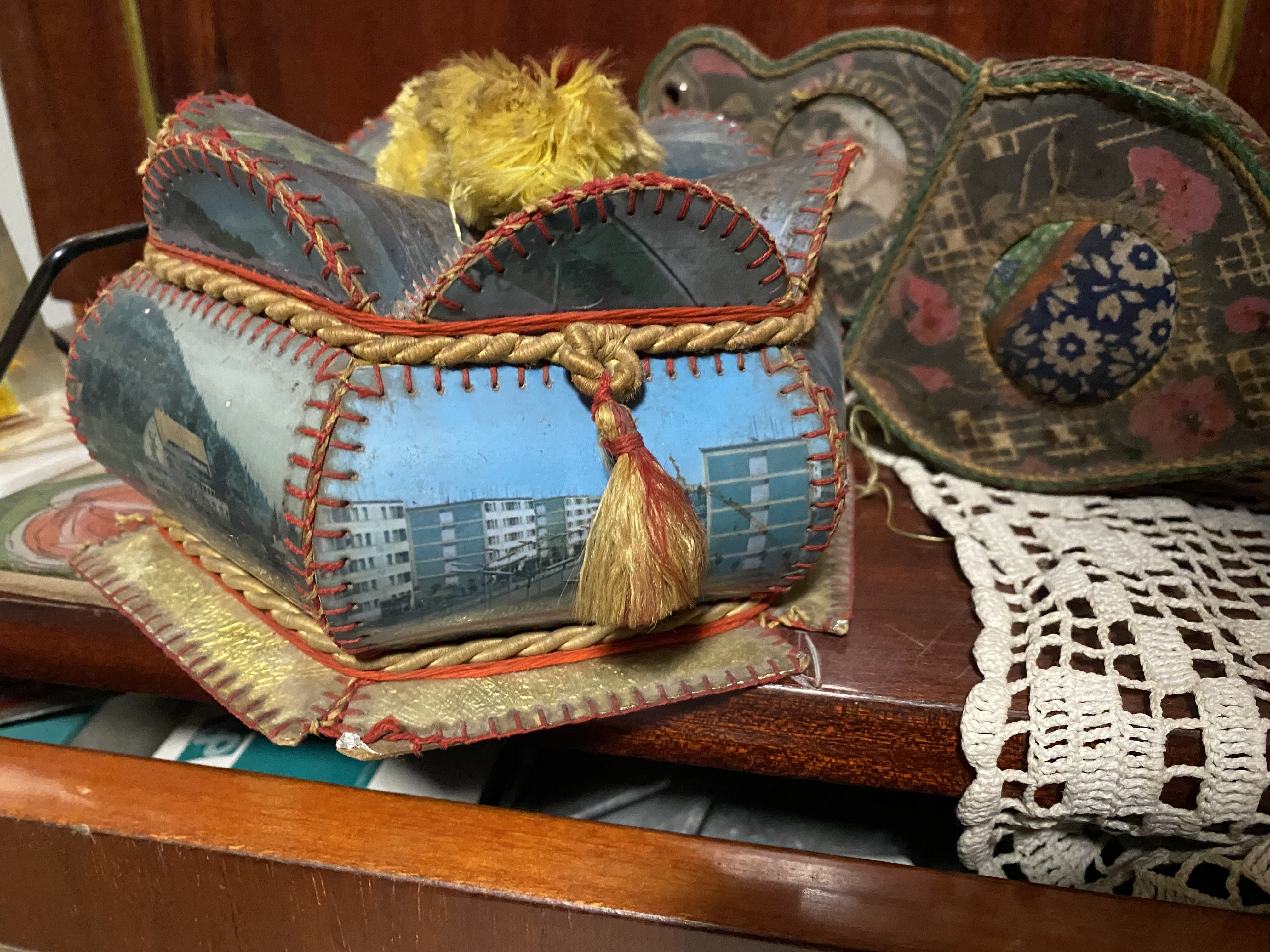
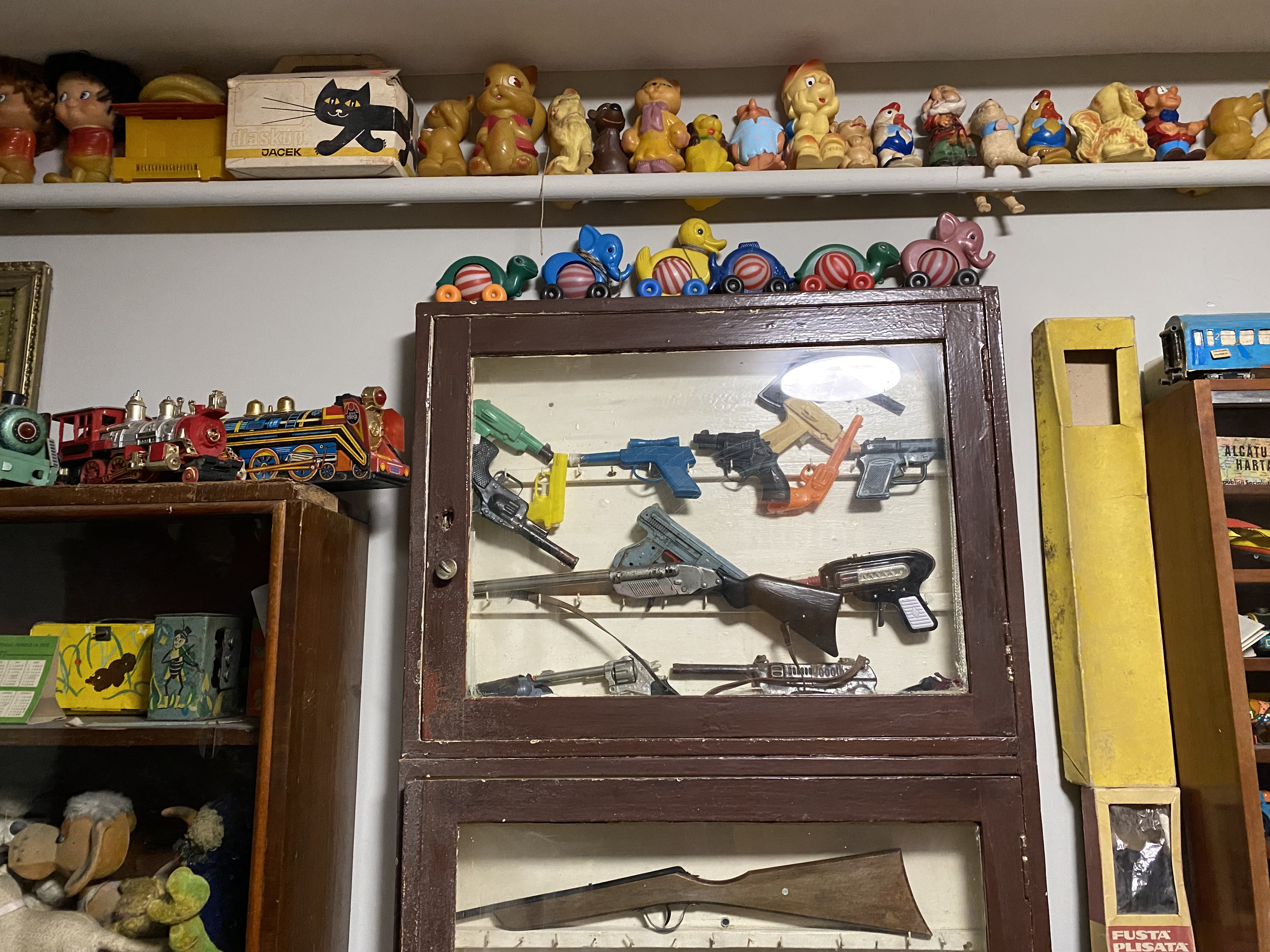
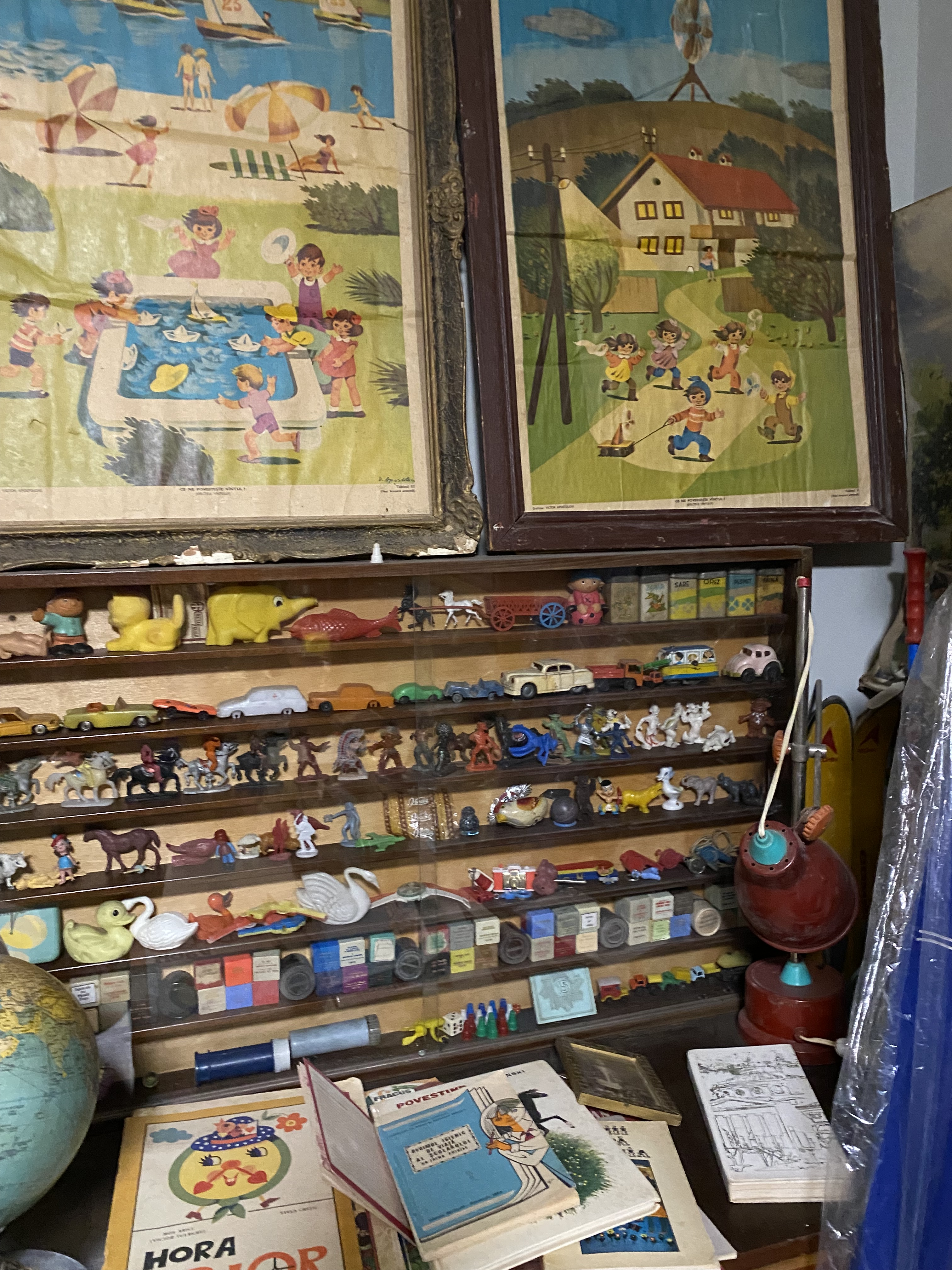
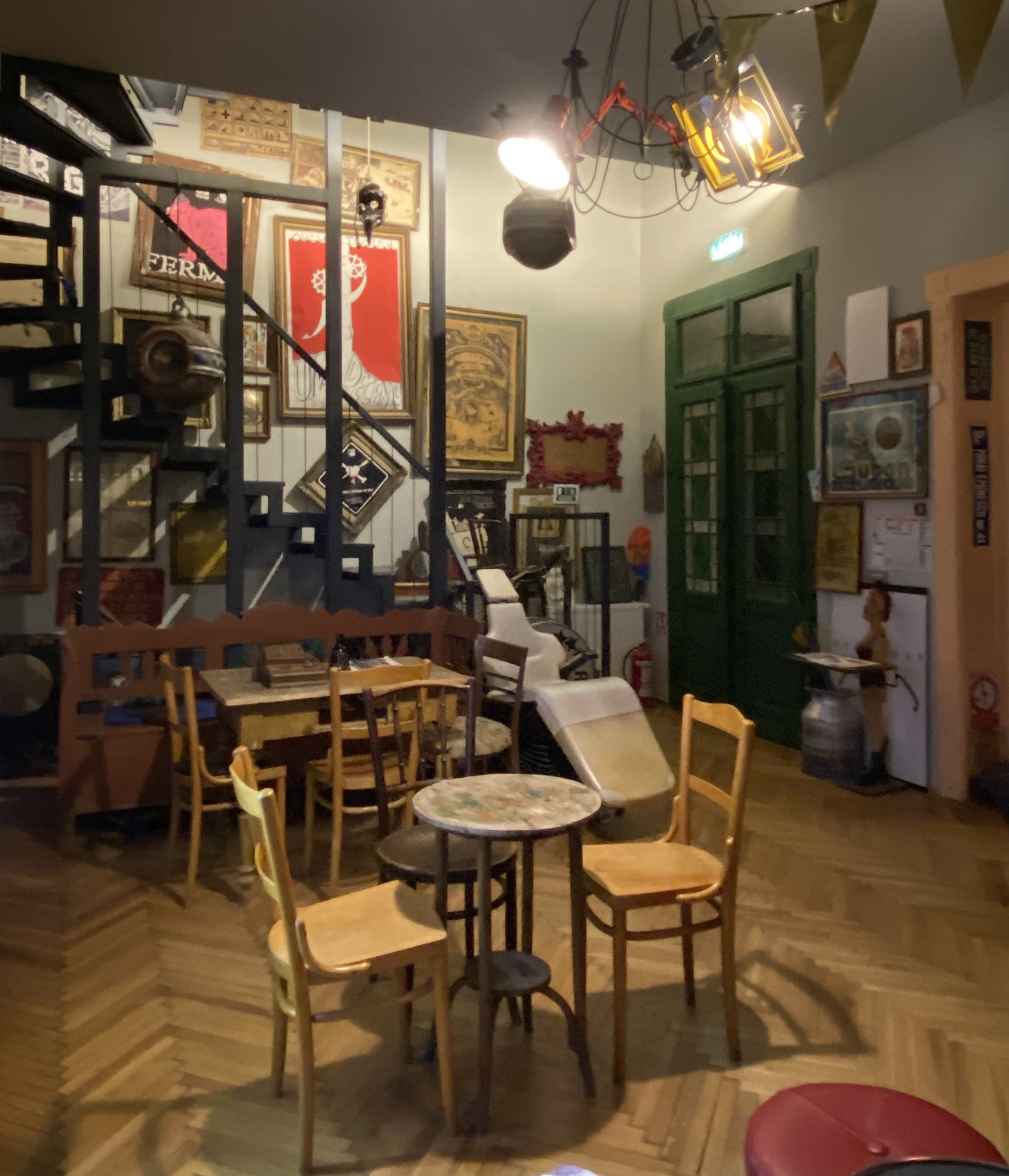
We stayed in the square long enough for the golden hour before sunset to begin, bathing the cathedral and its neighbors in a warm glow. With time to kill before the Romanian dinner I wrote about in Part 3 of this series, we made our way to the Communist Museum. By museum, I mean the basement of a bar which is filled with household knick knacks and objects from the communist era. Upstairs had a similar cluttered vibe, but with tables and a bar and a friendly tattooed bartender who served up Romanian raichu (liquor) that packed a punch. For just us ladies, she shared some from a stash not on the menu. Perhaps not our finest decision-making on display but, hey, no one ended up blind.
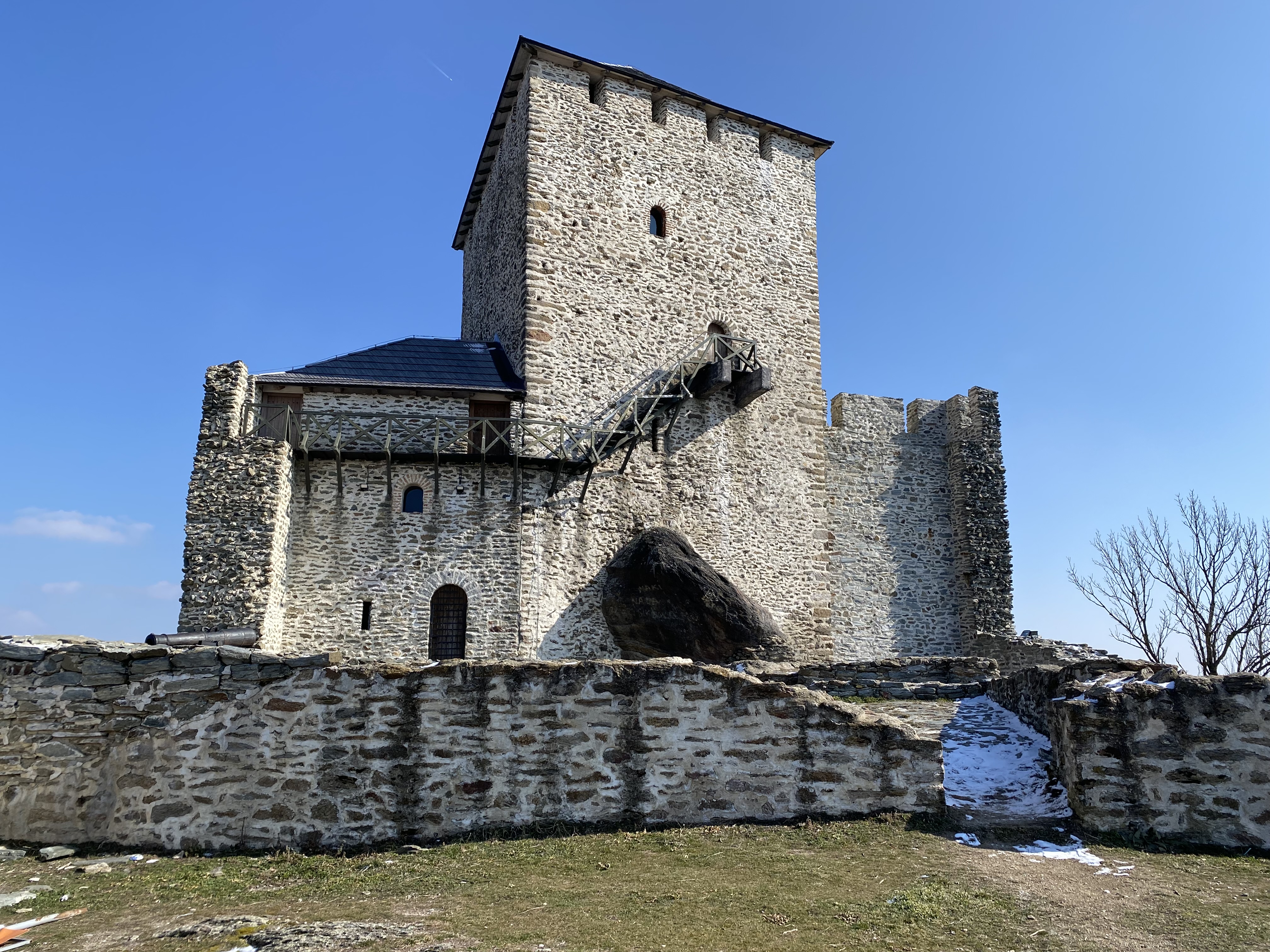
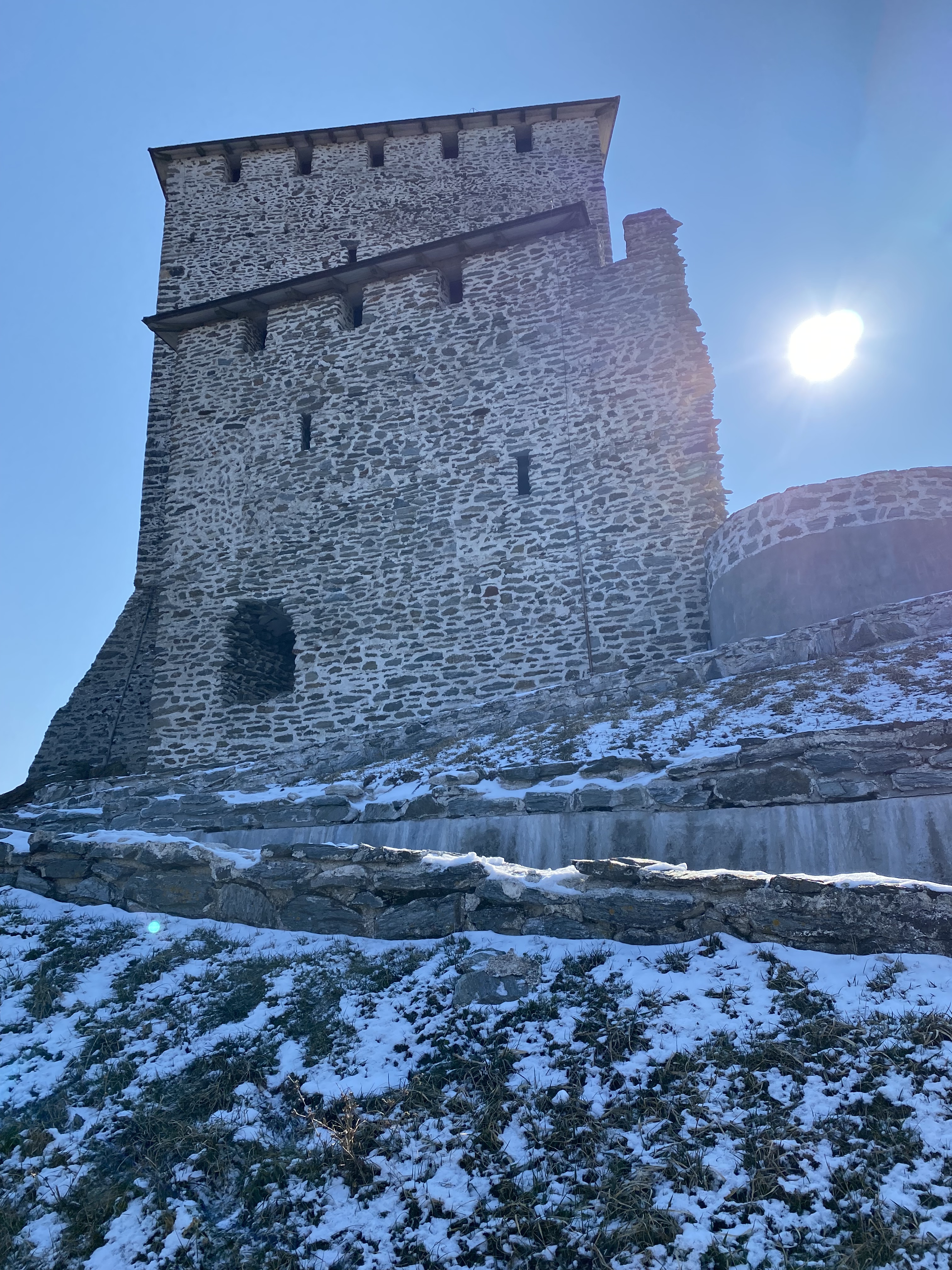
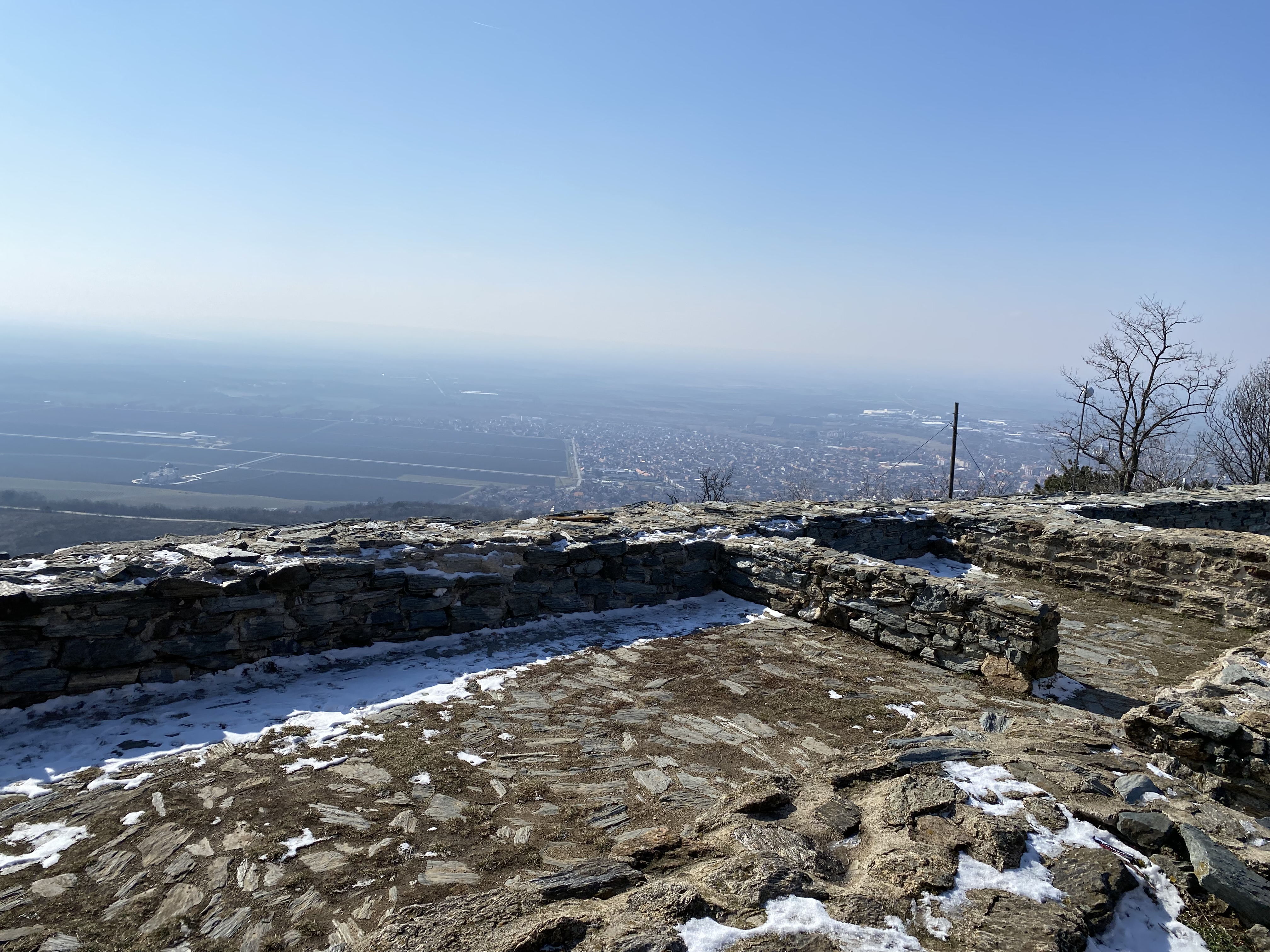
For our return journey to Belgrade the next day, we’d planned to drive to Golubac Fortress, a massive medieval Serbian fortification. We’d failed to realize our route required a ferry which only operates three times a day. Luckily, we figured that out shortly after crossing the border out of Romania so we vectored and visited the medieval Vršac castle instead.
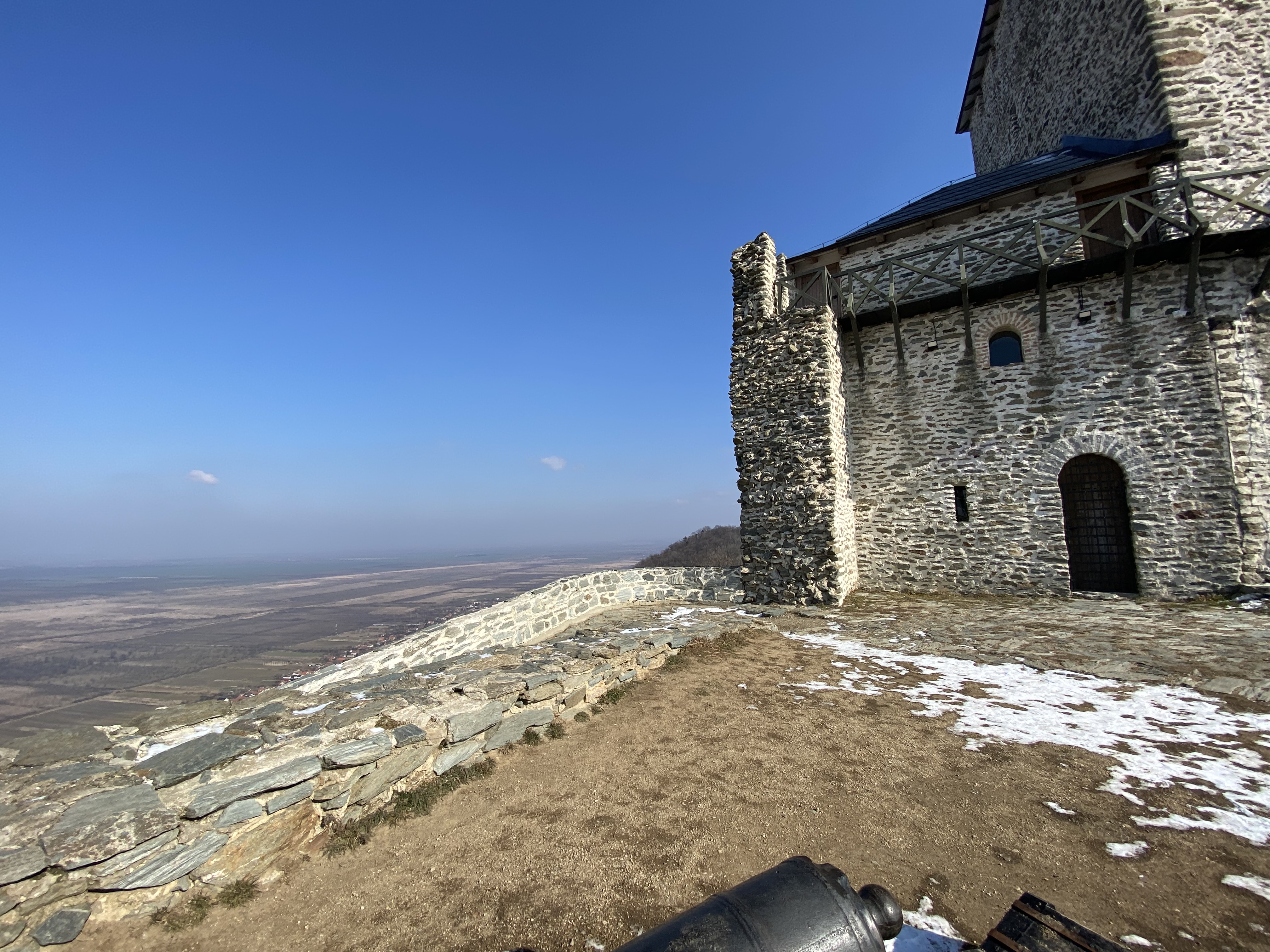
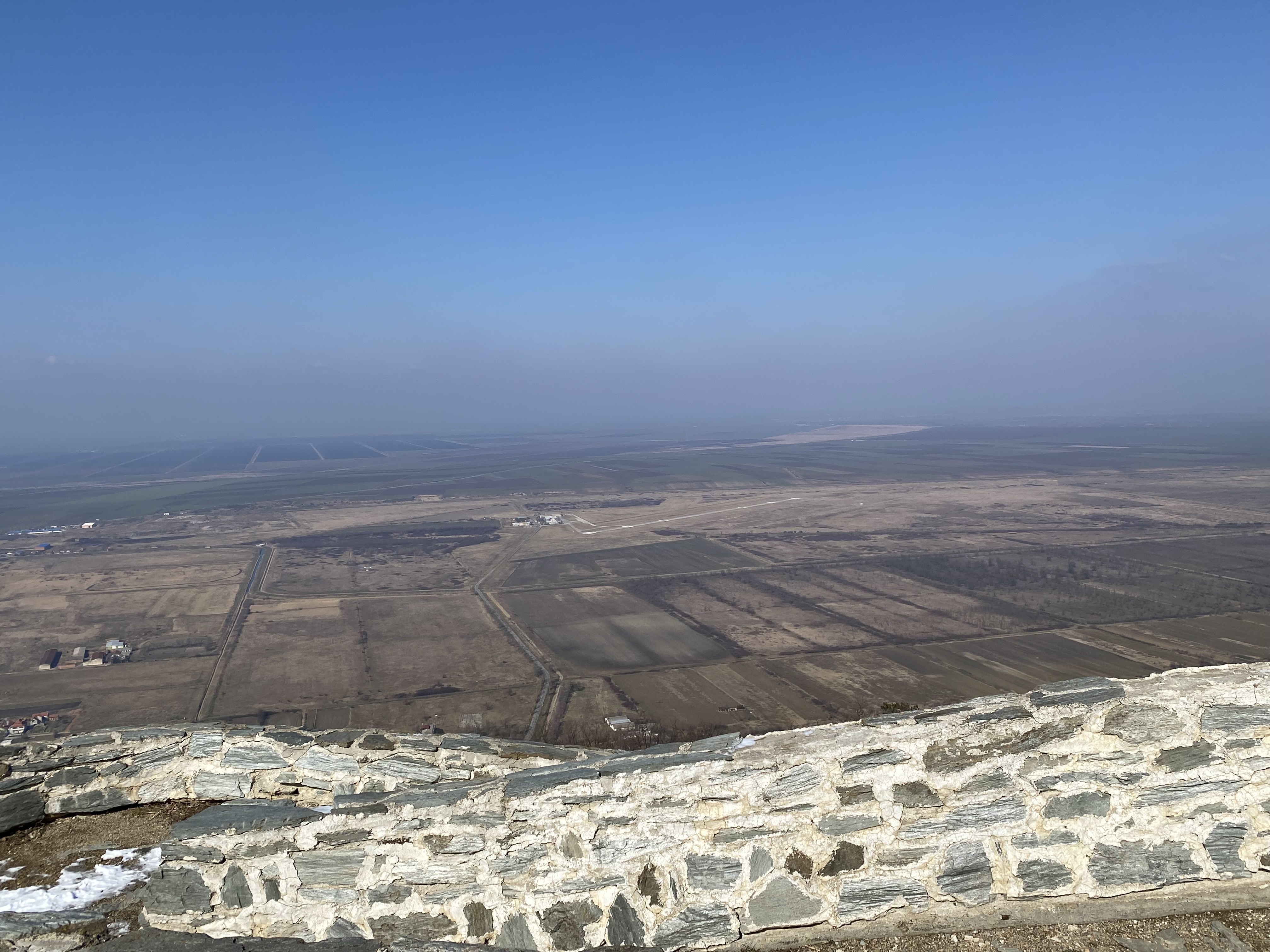
The tower is perched on a hill in the Serbian countryside, overlooking farmland. We reached it by driving the long white van up a steep road, then parking, and making the remainder of the uphill journey on an icy road on foot.
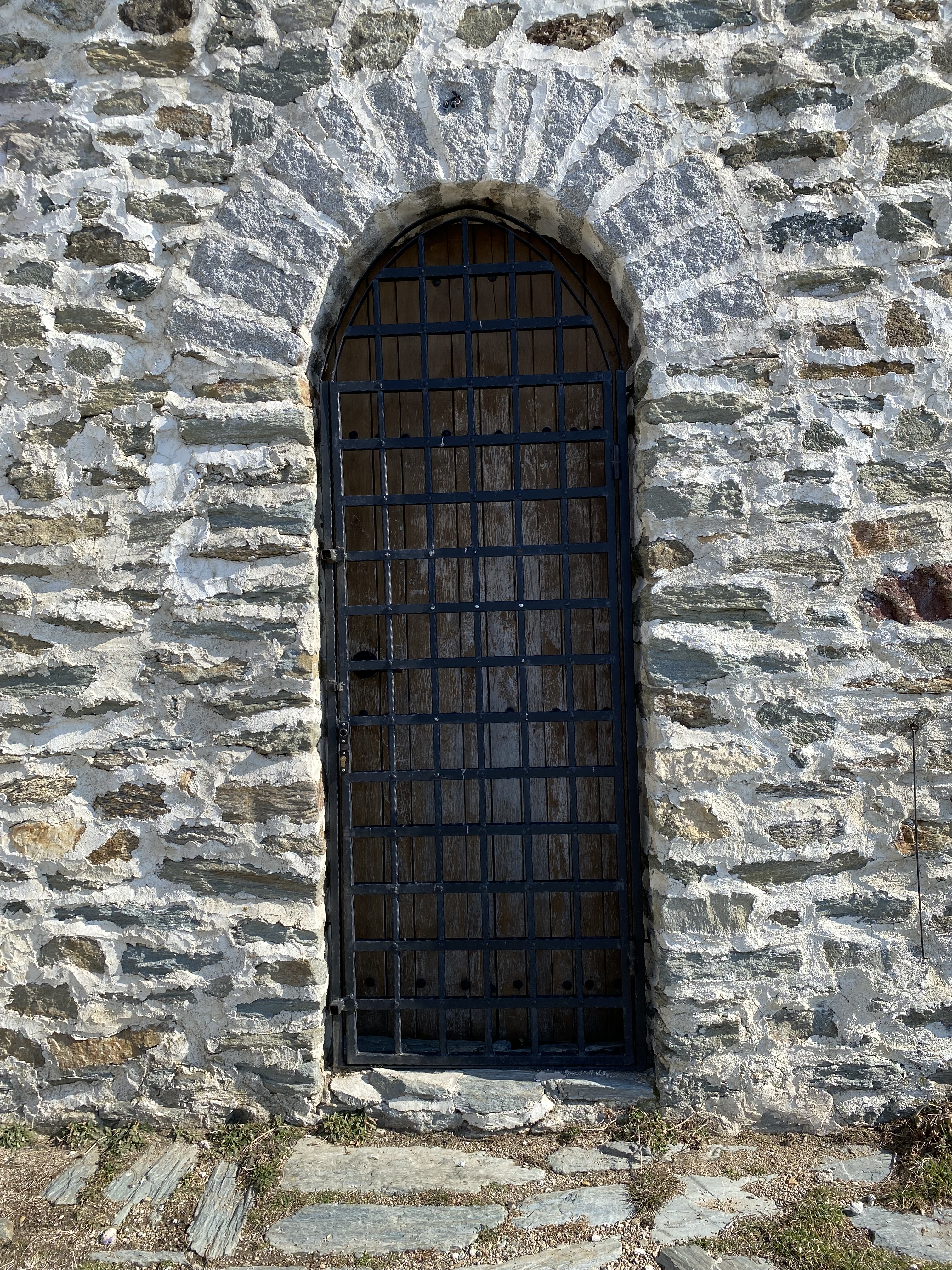
Remember how I liked having a European square all to myself at the start of this post? Turns out I also really enjoy having a European castle all to myself. We explored the site, which included a locked stone tower and the low-walled remains of rooms, without any other companions besides the helpfully placed communications tower which looms over the semi-ruins.
As if it had been waiting for us, the castle washed its face in sunlight and donned a clear blue sky as its mantle. A truly beautiful moment, on a trip that offered up so many memorable moments.
Thanks and love to the family who hosted us for this trip. I’m thrilled our friendship has carried on to a new chapter, beyond the time we spent together while living in Kuwait.
Photos, photos, and more photos below. Happy scrolling!
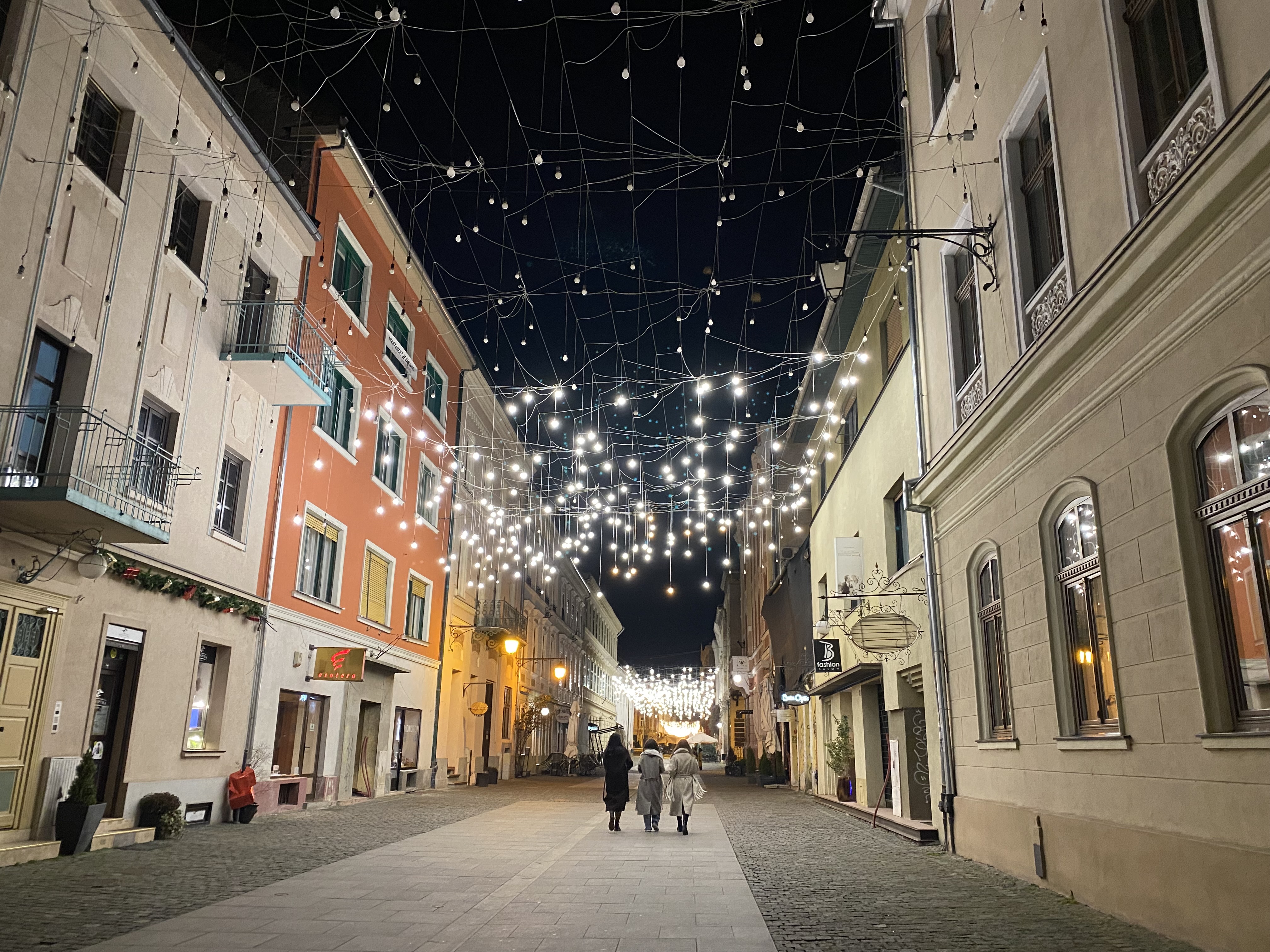
Timișoara at night
Timișoara – Victory Square and “Three Holy Hierarchs” Metropolitan Cathedral

Union Square and St. George Cathedral


Communist Museum


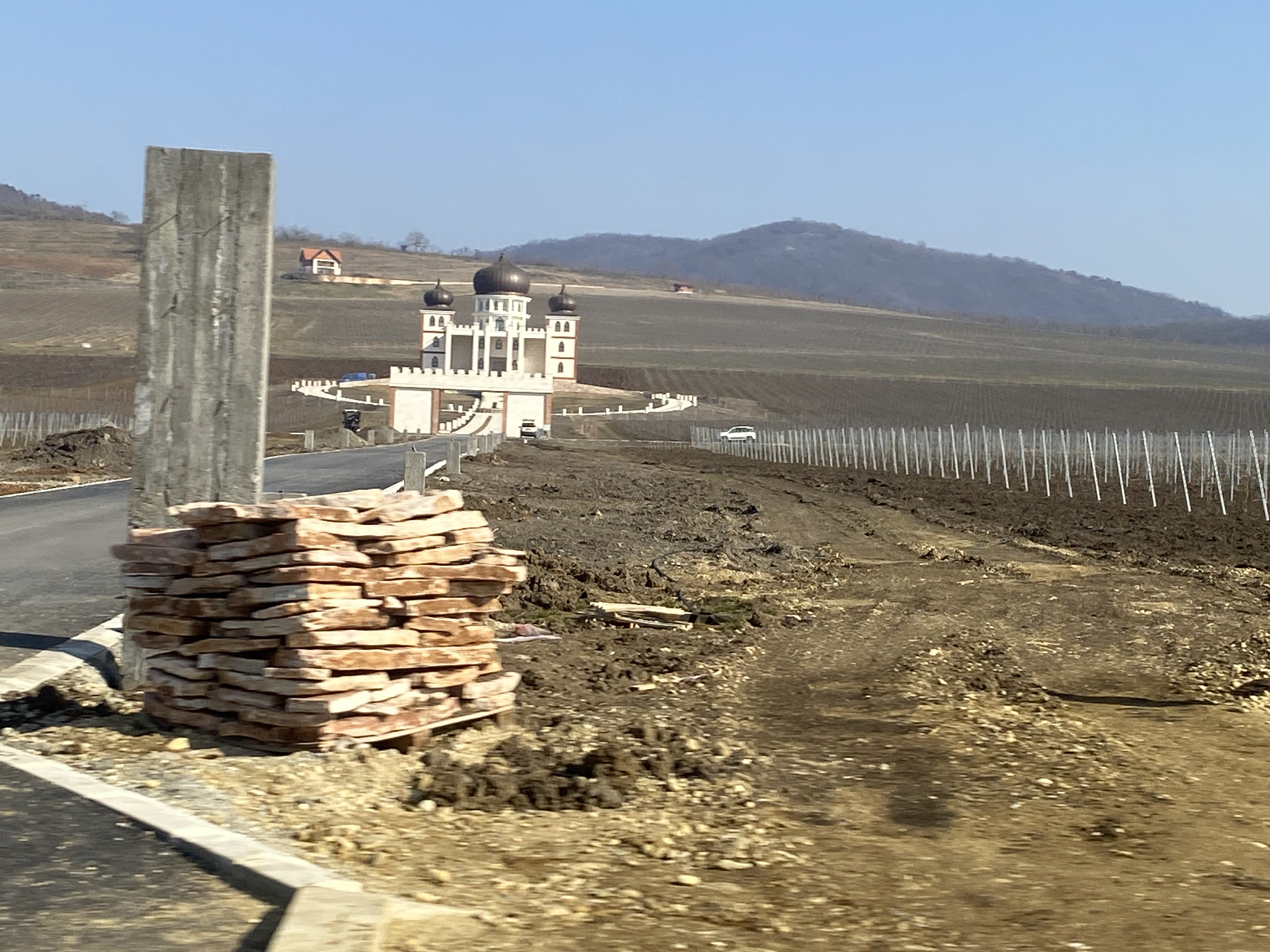
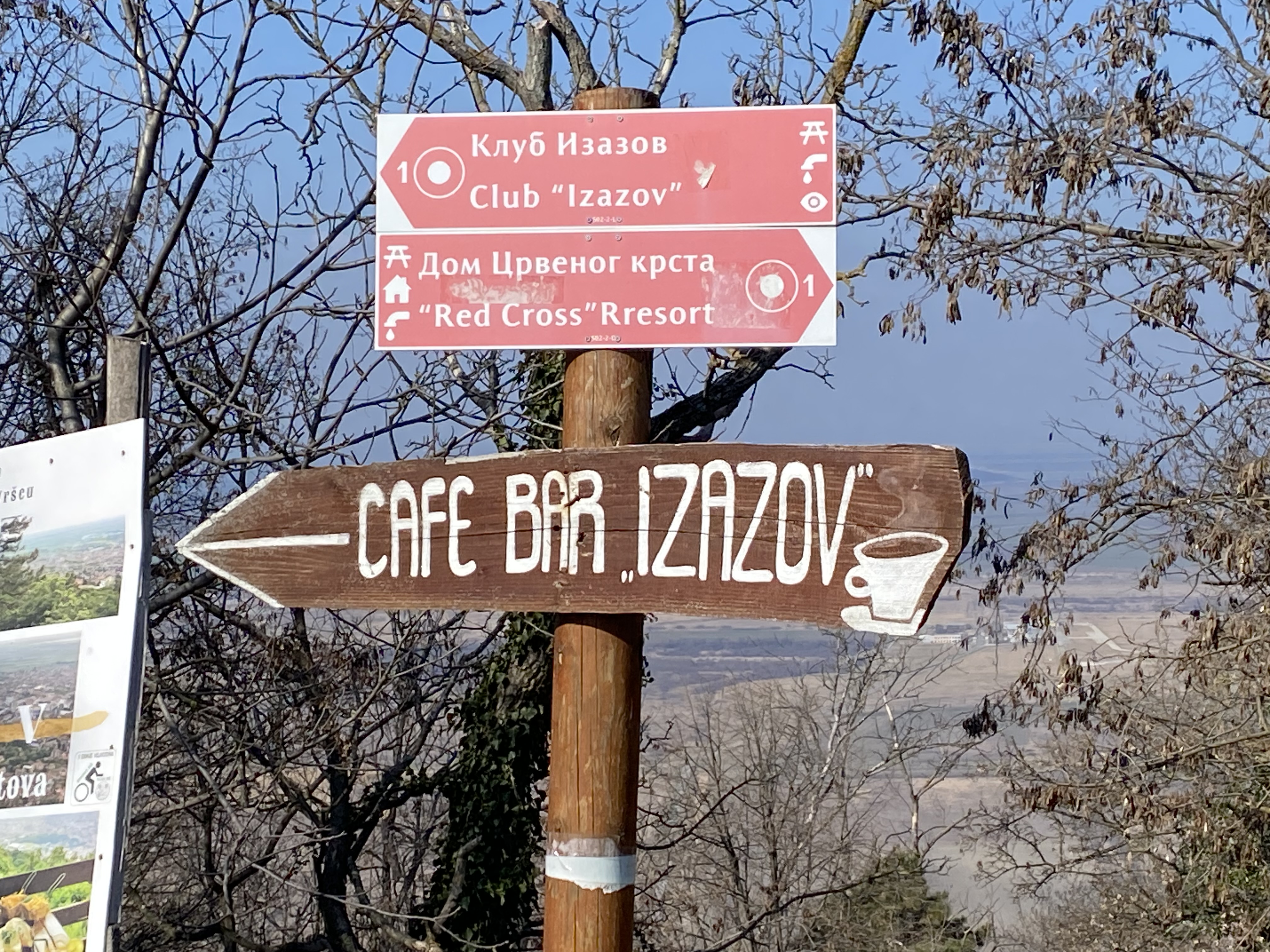
Vršac castle


 susan dalzell
You must be logged in to post a comment.